Desert Dream Hotels: Courtyards, Cooling Pools and Endless Horizons
Imagine a desert retreat shaped by shade, quiet water and distant horizons. This fictional hotel concept explores how courtyards, sheltered rooms and thoughtful materials could make extraordinary living feel deeply restful.
Dreams of Legend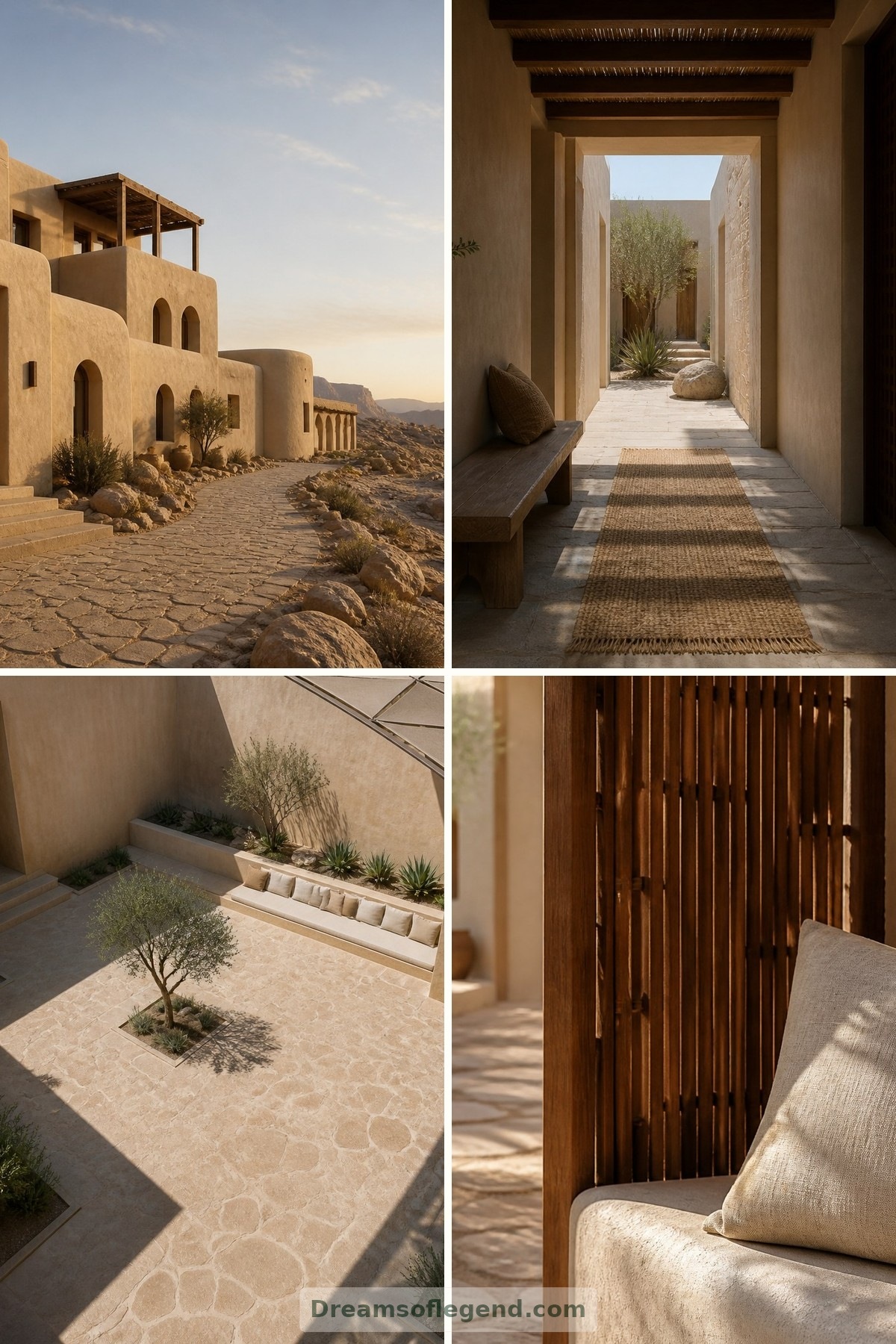
A dream desert hotel begins with a simple invitation: come out of the glare and settle into shade. The retreat explored here is an imagined architectural concept, not a real property or bookable destination. Its appeal lies in the meeting of generous shelter and open landscape—an approach that could also inspire a beautiful desert home.
1. An Arrival That Slows the Pace
Imagine approaching a low cluster of sand-colored buildings, their outlines softened by deep doorways and recessed windows. Instead of a grand lobby, a narrow entrance passage leads toward daylight and a glimpse of greenery.
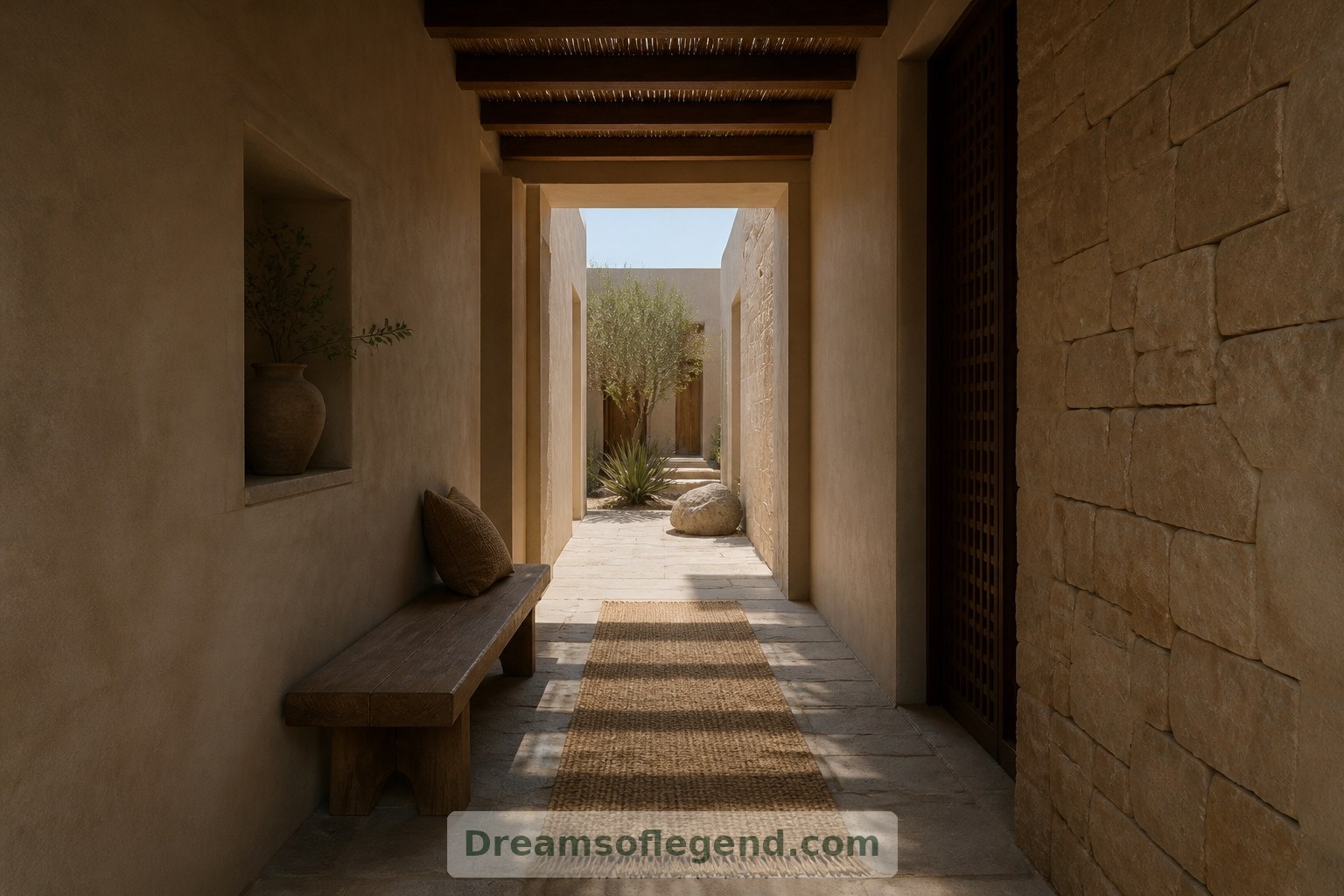
Underfoot, matte stone gives way to a woven runner. A timber bench offers somewhere to put down a bag. These modest gestures make arrival feel personal: the architecture welcomes you without competing with the desert beyond.
2. Courtyards as Outdoor Living Rooms
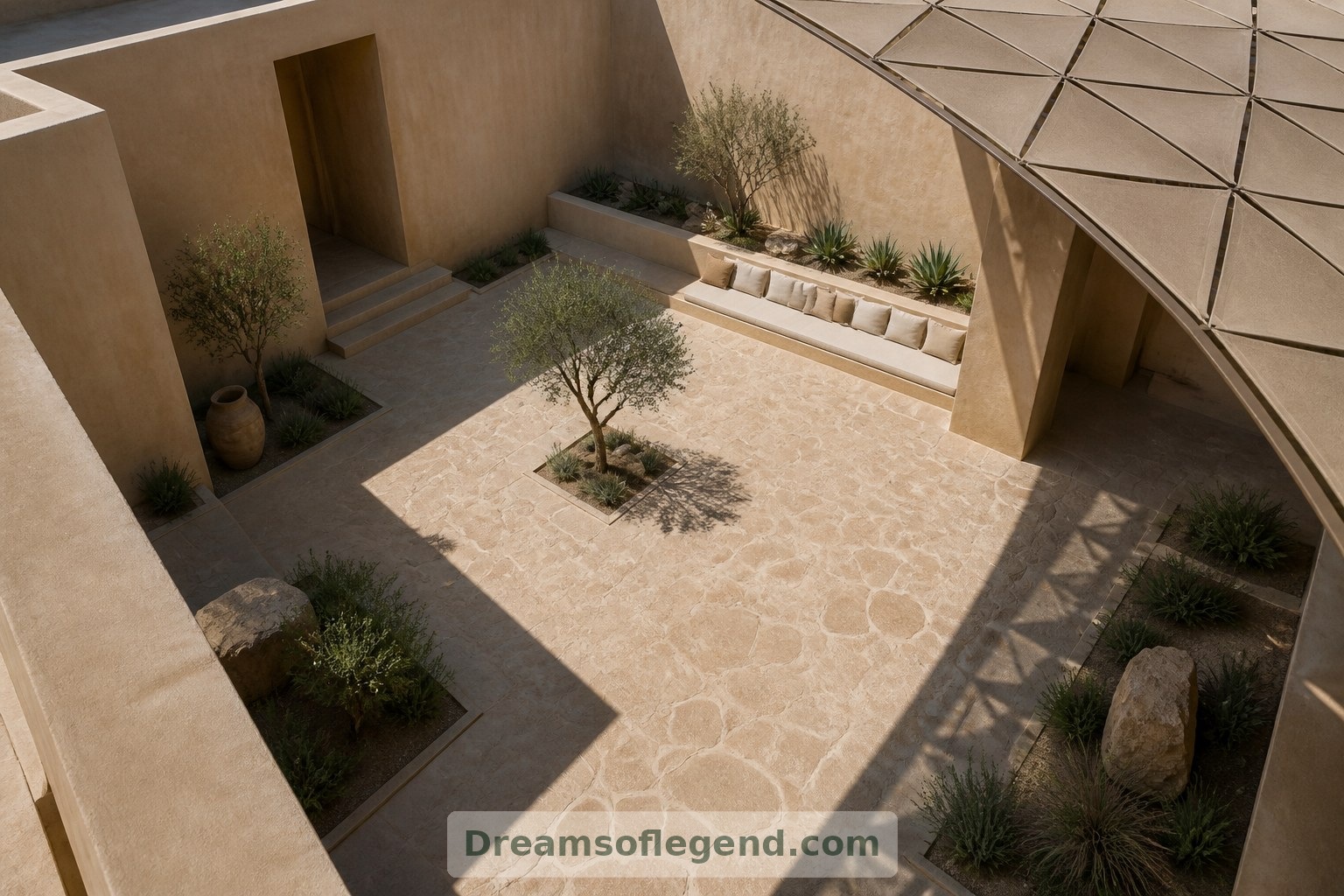
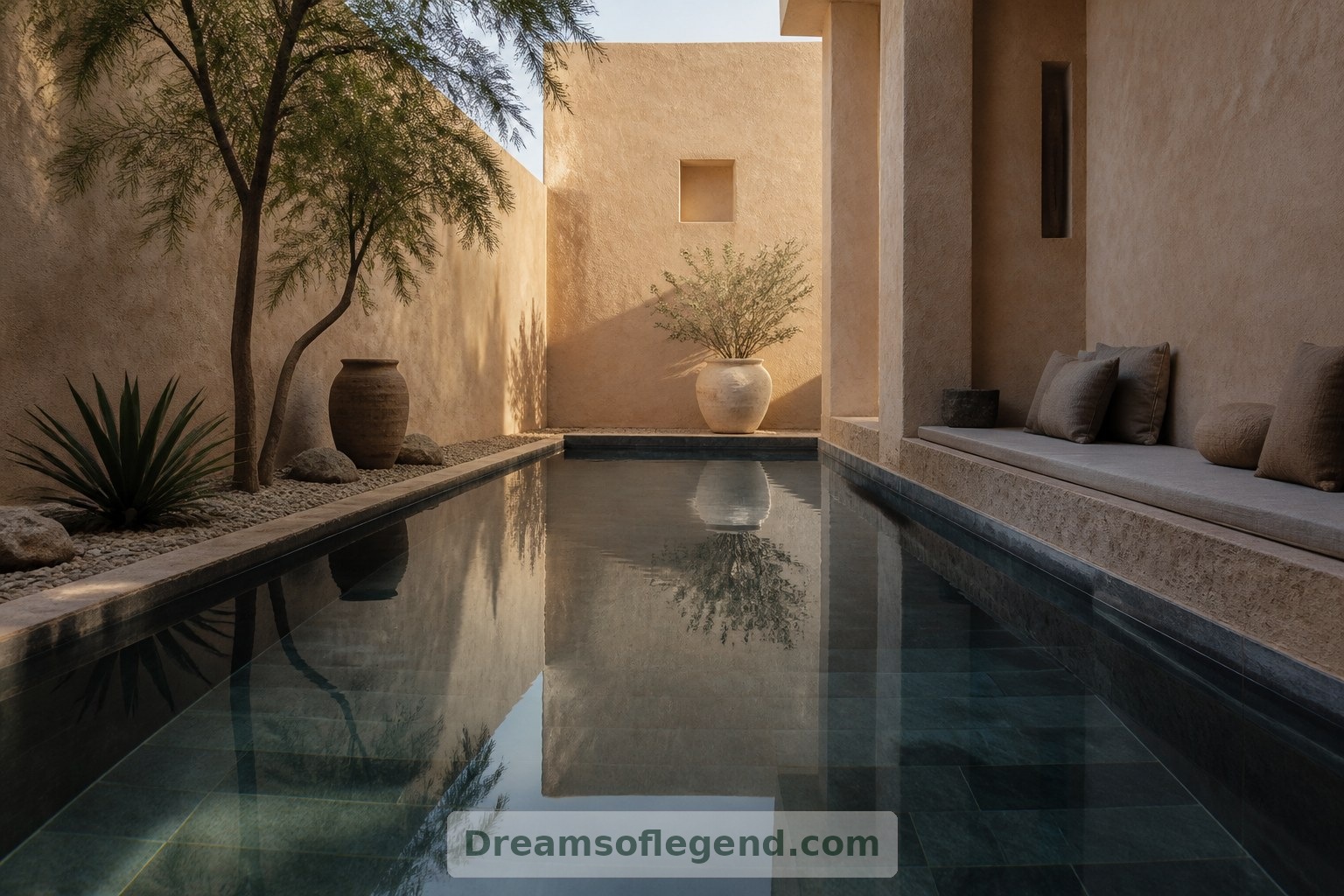
At the center, an enclosed courtyard gathers the retreat around a shared patch of sky. Thick-looking walls, shaded edges and carefully placed openings suggest privacy without complete separation from the landscape.
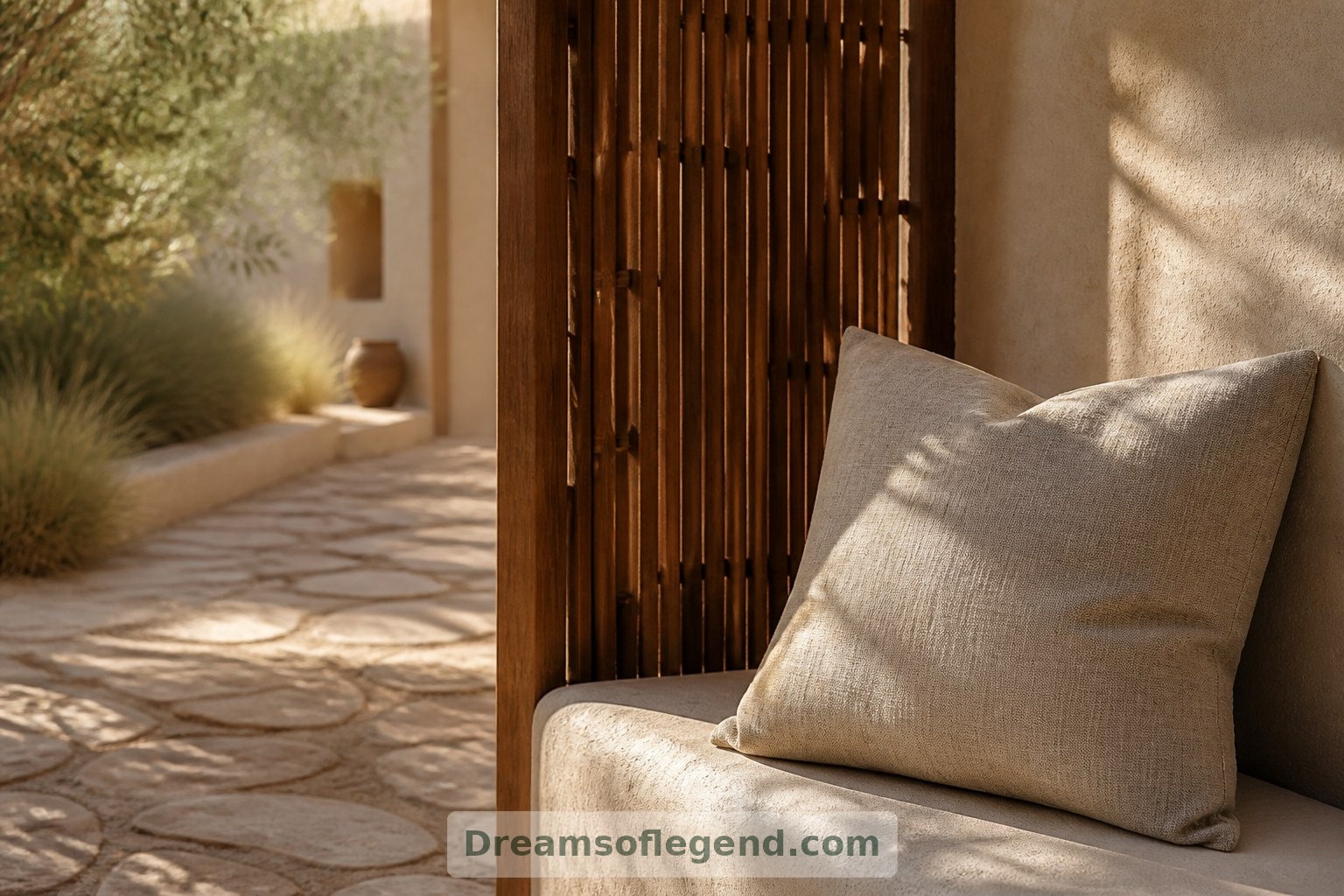
A built-in seat follows one wall, furnished with loose linen cushions. Planting would need to suit the actual climate and water budget; in this imagined scheme, sparse greenery leaves room for stone, shadow and the changing geometry of sunlight.
3. Water, Used with Restraint
The cooling pool is envisioned as a compact basin rather than an expansive lagoon. Its dark interior reflects the courtyard walls, while a shaded ledge offers a place to sit close to the water.
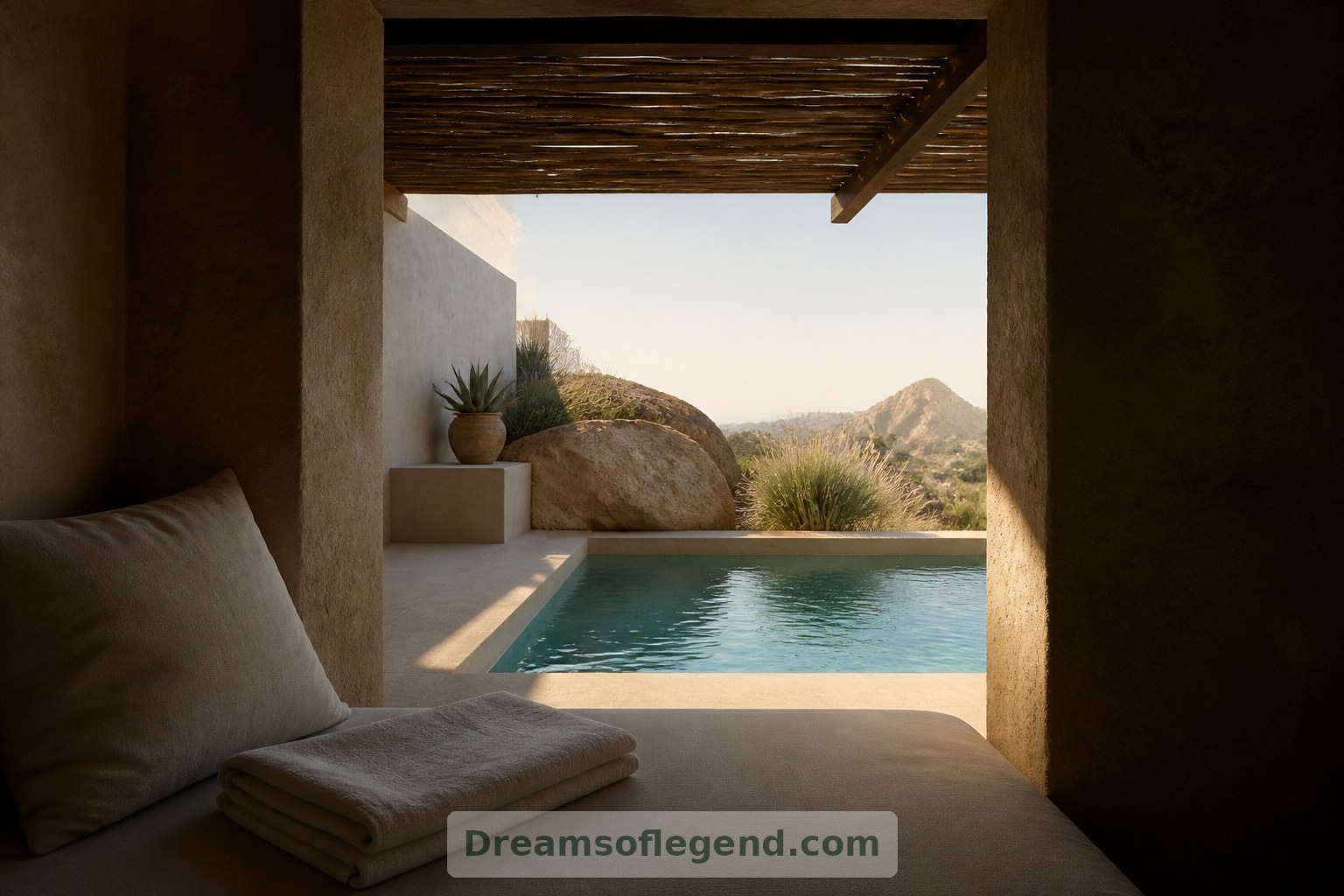
In any real desert project, a pool would require careful evaluation of water supply, evaporation, maintenance and energy use. Here, the design lesson is restraint: one well-positioned body of water can provide a compelling focal point without dominating every space.
4. Private Rooms with Deep Shade
Guest rooms borrow the intimacy of a well-designed home. A low bed faces a recessed window; lime-toned plaster, timber shutters and textured rugs create interest without a crowded decorative scheme.
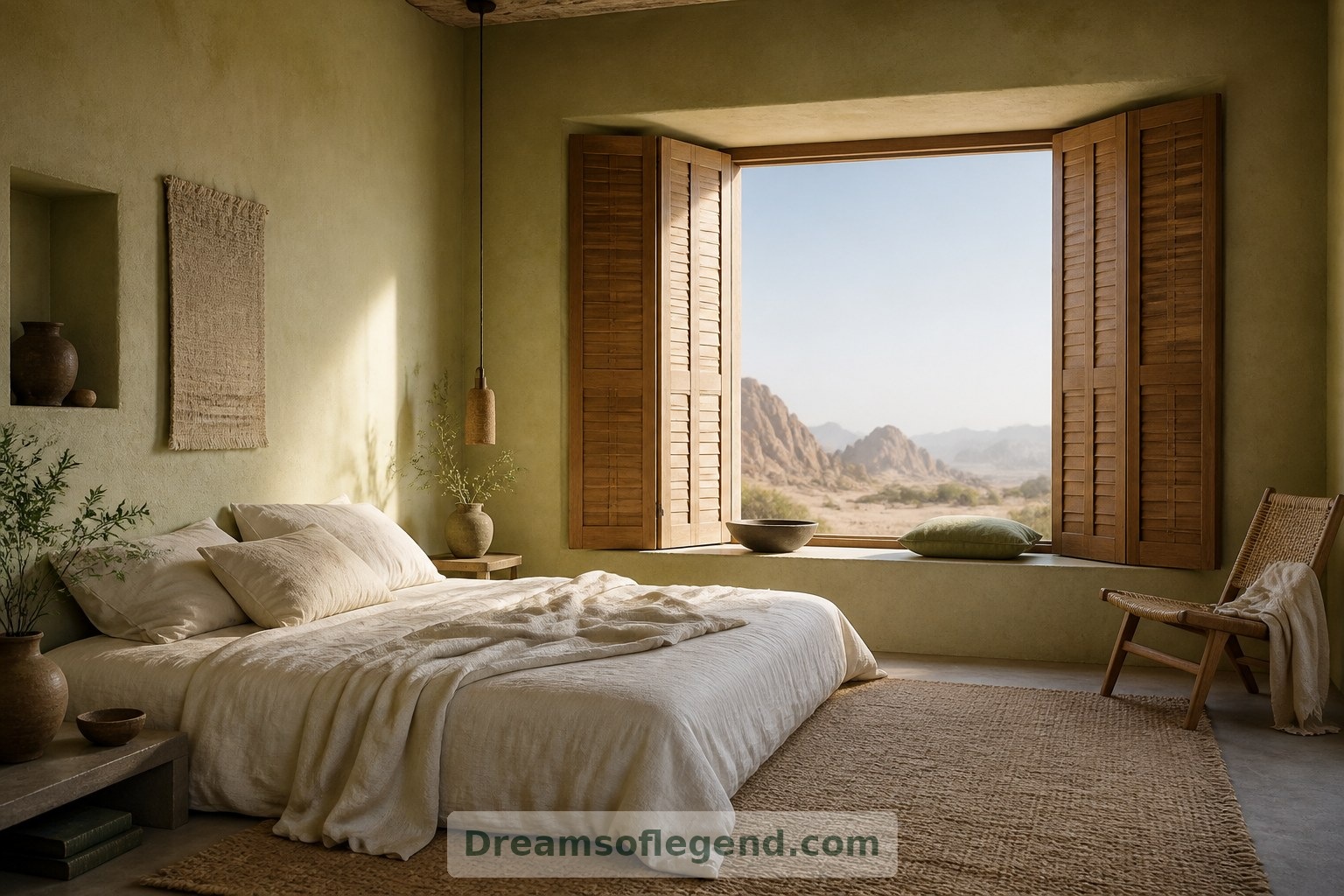
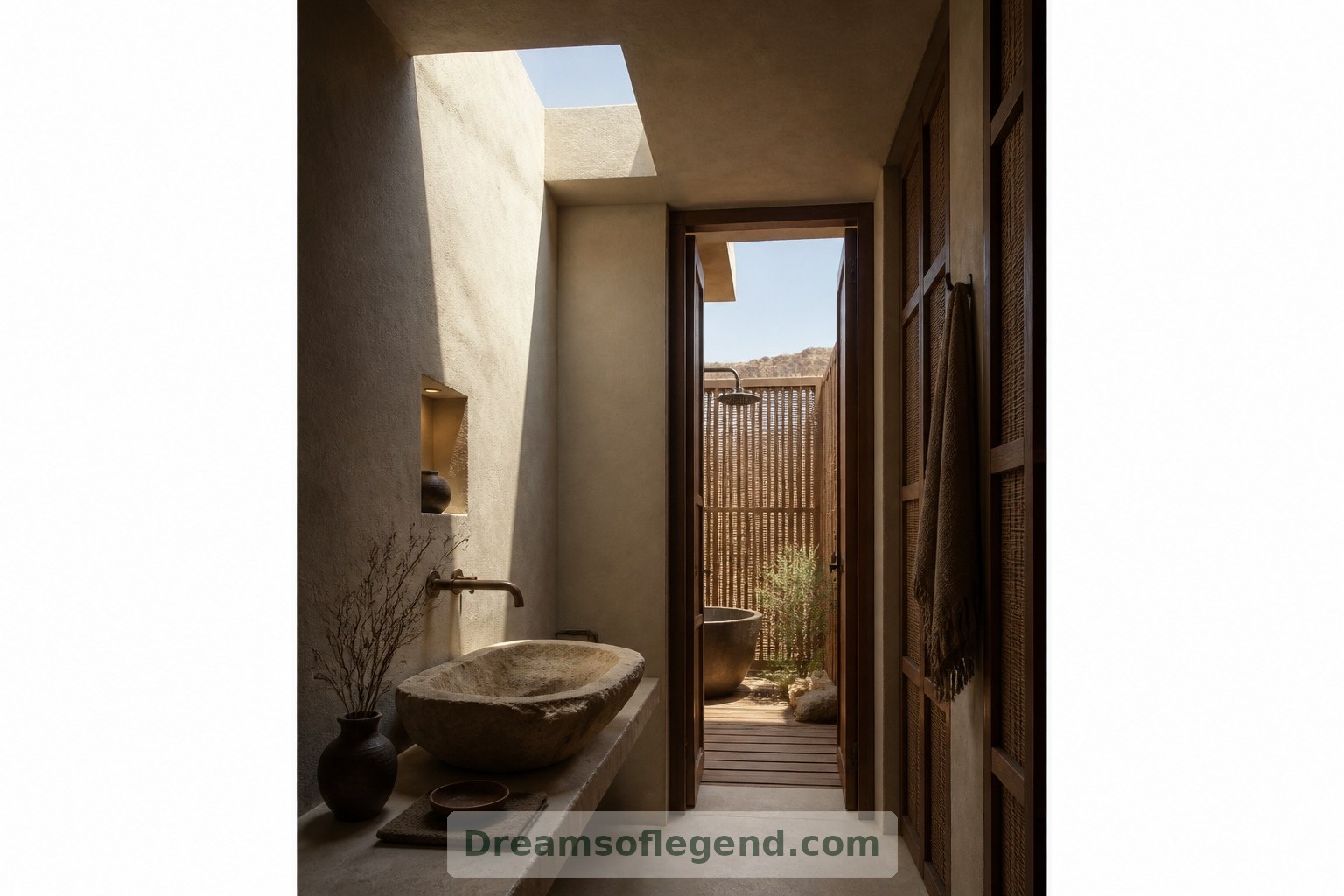
A small terrace sits within the building’s outline rather than projecting into full sun. In the imagined bathroom, a roof opening illuminates a stone washbasin, while a screened bathing court offers privacy beneath a narrow slice of sky.
5. Shared Spaces That Feel Domestic
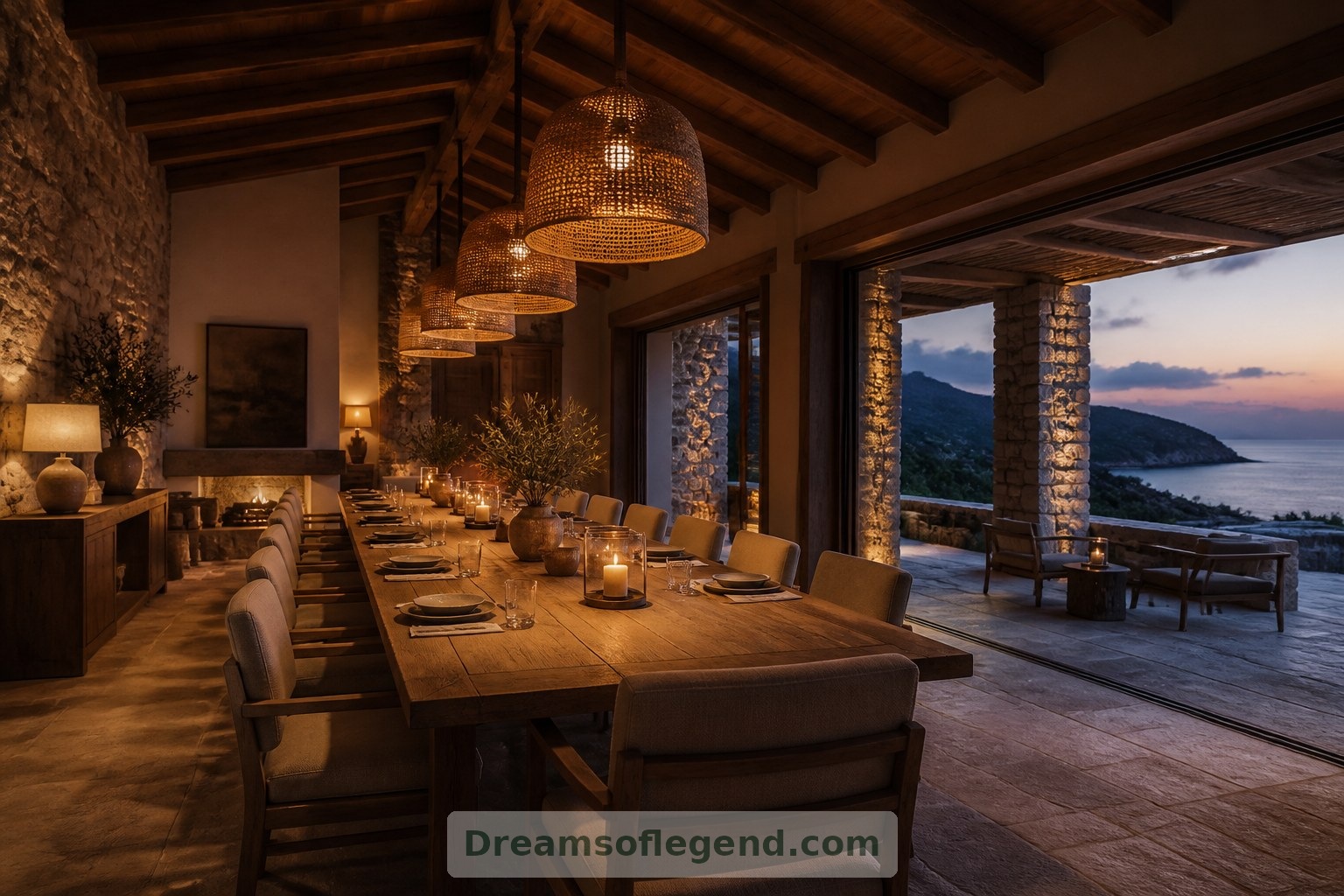
The dining room centers on a long timber table, with pendant shades hanging low enough to make evening meals feel intimate. Broad openings connect it to a sheltered terrace rather than an exposed outdoor deck.
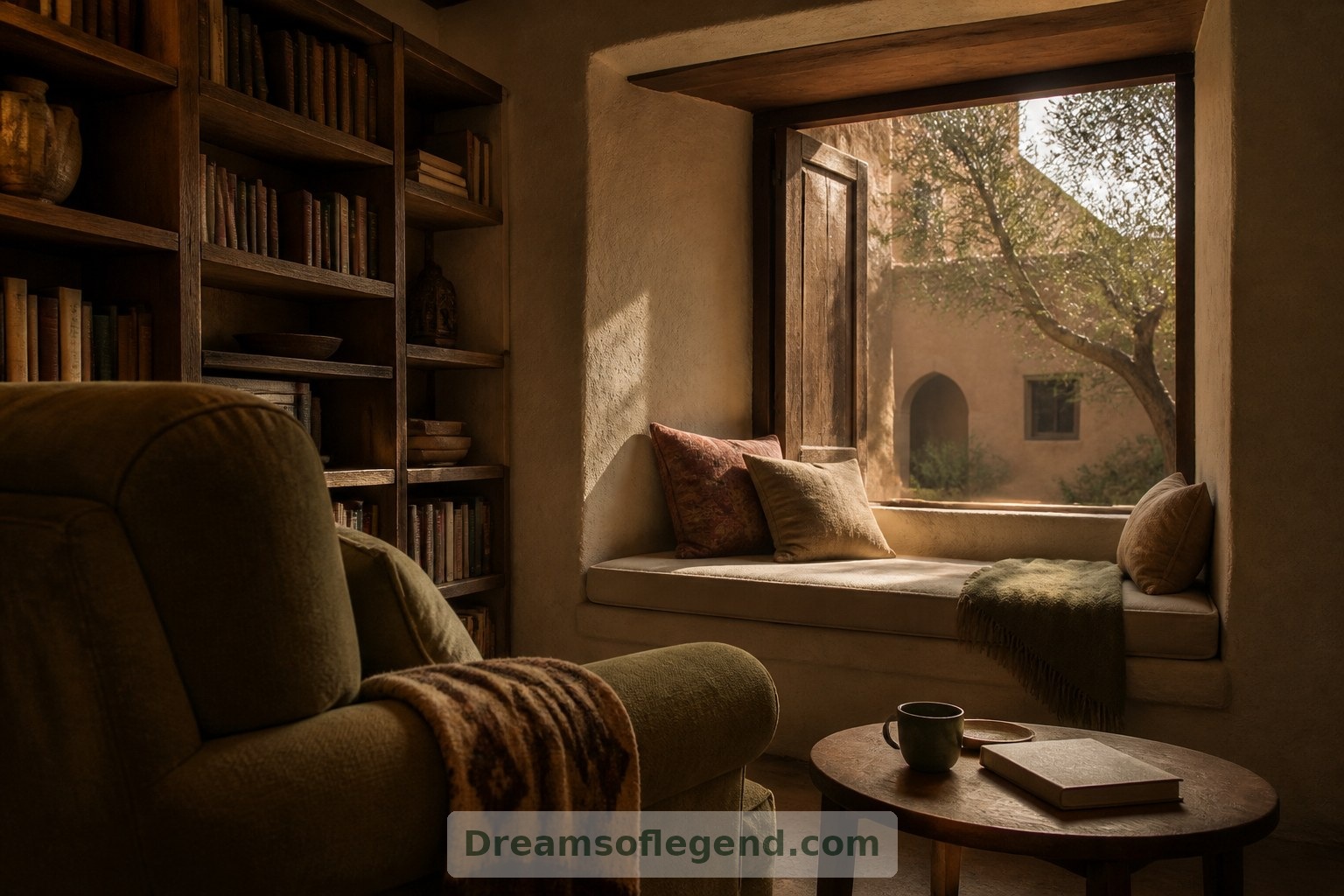
Nearby, a reading lounge pairs deep chairs with shelves and a window seat. These are spaces for lingering, not spectacle. Their influence translates easily to a dream home: fewer rooms, thoughtfully furnished, with comfortable places to gather or withdraw.
6. Keeping the Horizon in View
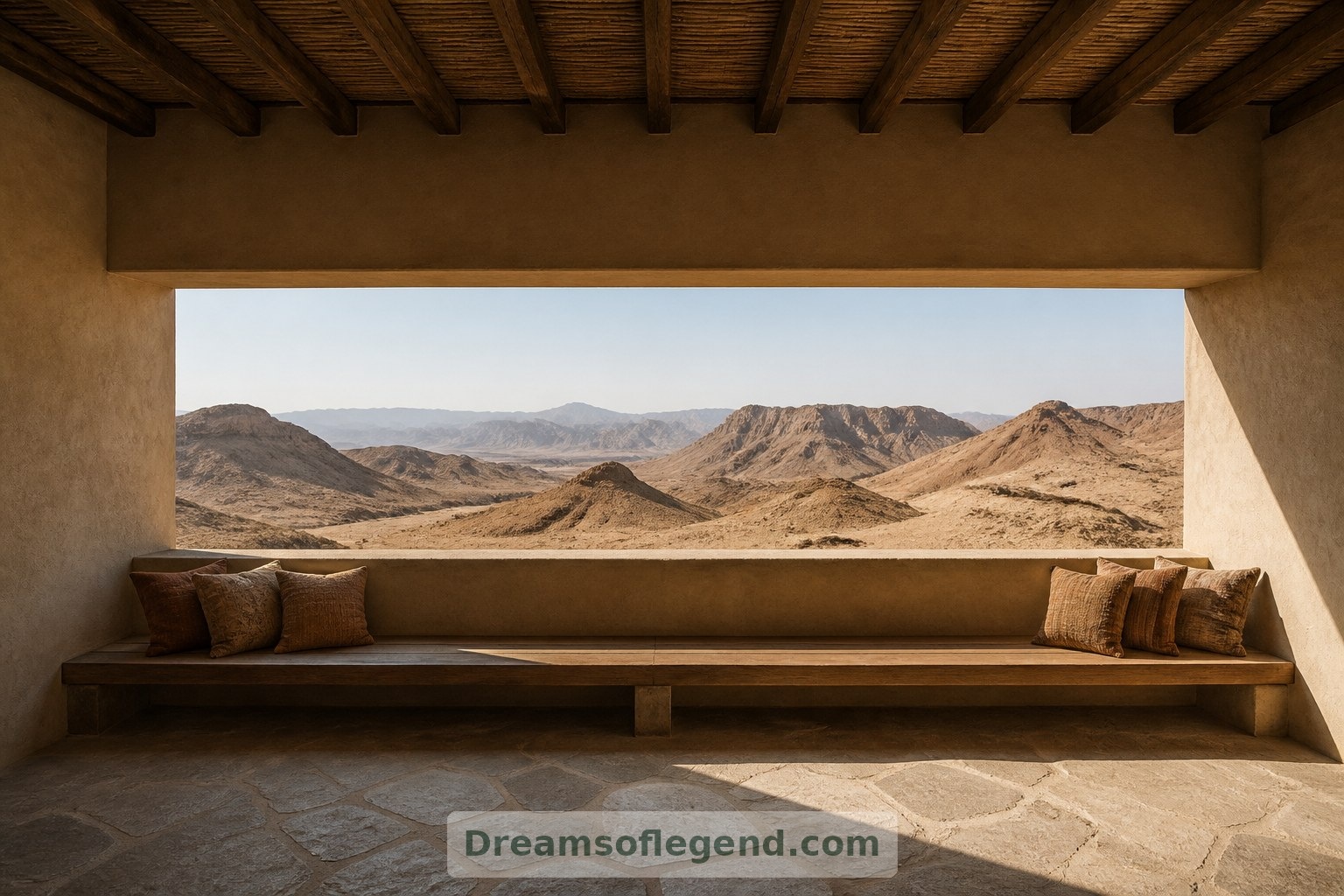
A covered lookout frames the distant terrain through a horizontal opening. Its shaded foreground makes the brightness beyond feel more vivid, turning the view into part of the room.
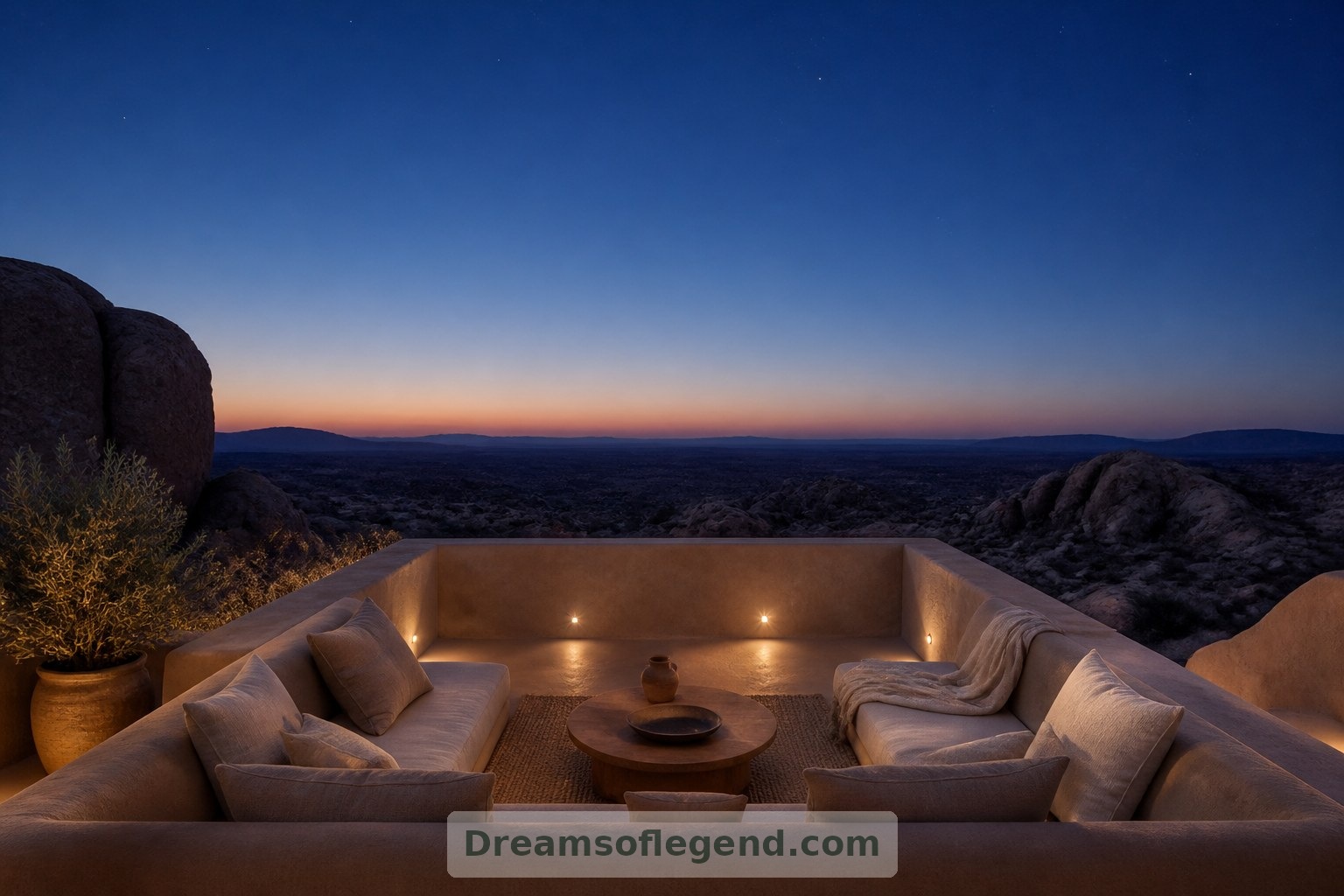
At dusk, an imagined rooftop terrace offers another perspective. Recessed lighting keeps attention on the fading landscape, while a sheltered seating corner creates a quiet place to watch the first stars appear.
The dream is not simply to place luxury in the desert. It is to make shelter feel generous and connected to its setting. In this fictional retreat, courtyards, measured water use and carefully framed horizons suggest an extraordinary way of living—one grounded in the pleasures of shade, texture and stillness.
