Rooftop Gardens That Create an Outdoor World Above the City
Above the traffic and rooftops, a garden can turn unused space into a private outdoor world. Explore an imagined dream-home terrace shaped by lush planting, sheltered rooms, thoughtful materials and the changing light of the city.
Dreams of Legend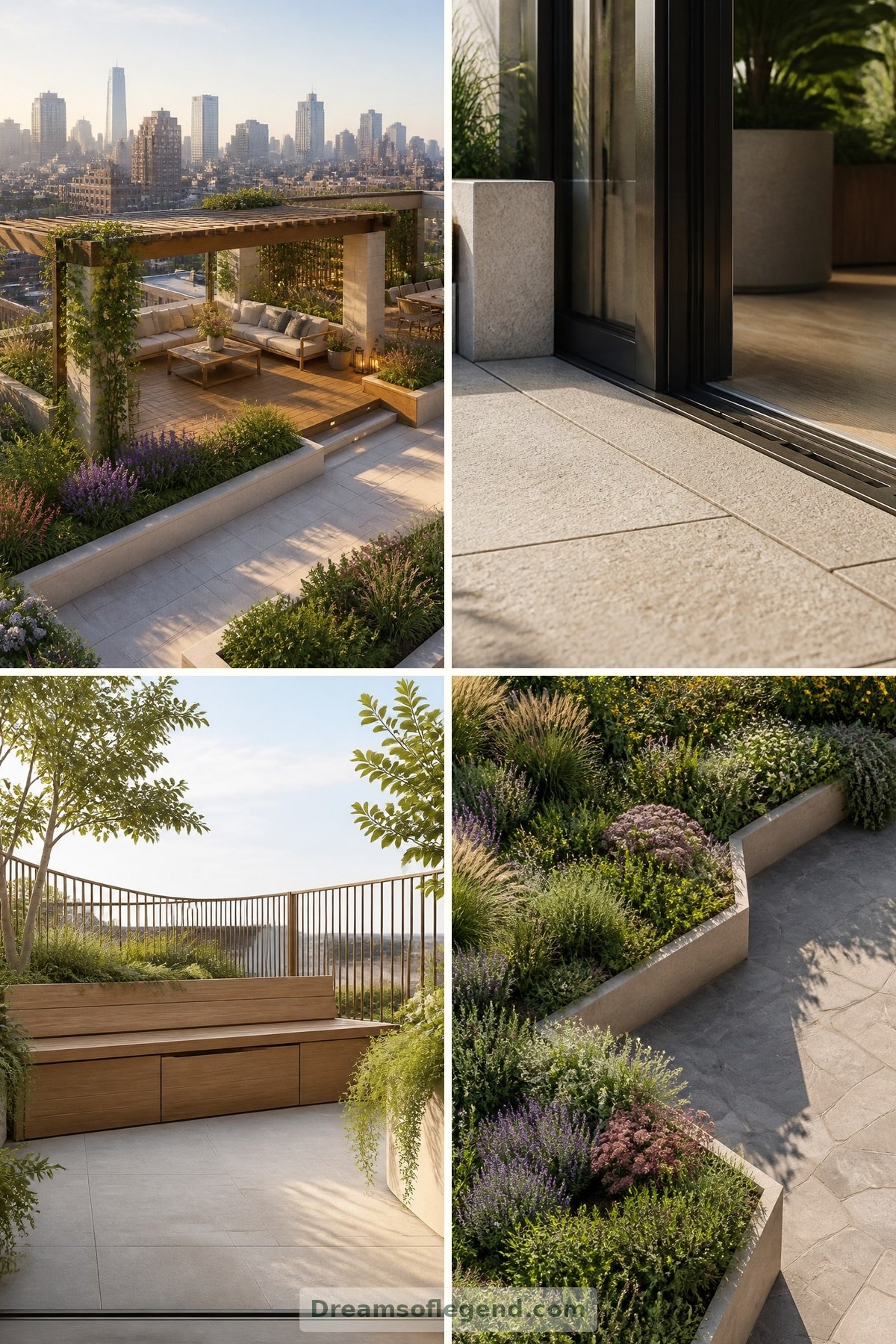
A rooftop garden offers a lovely contradiction: the city remains close, yet everyday life feels gently removed from it. Breakfast happens beside grasses rather than traffic; an evening conversation unfolds beneath an open sky. This imagined residential design explores how a roof could become a generous outdoor living space—not a real destination, but a dream-home concept grounded in practical considerations.
1. Make the Arrival Feel Like Home
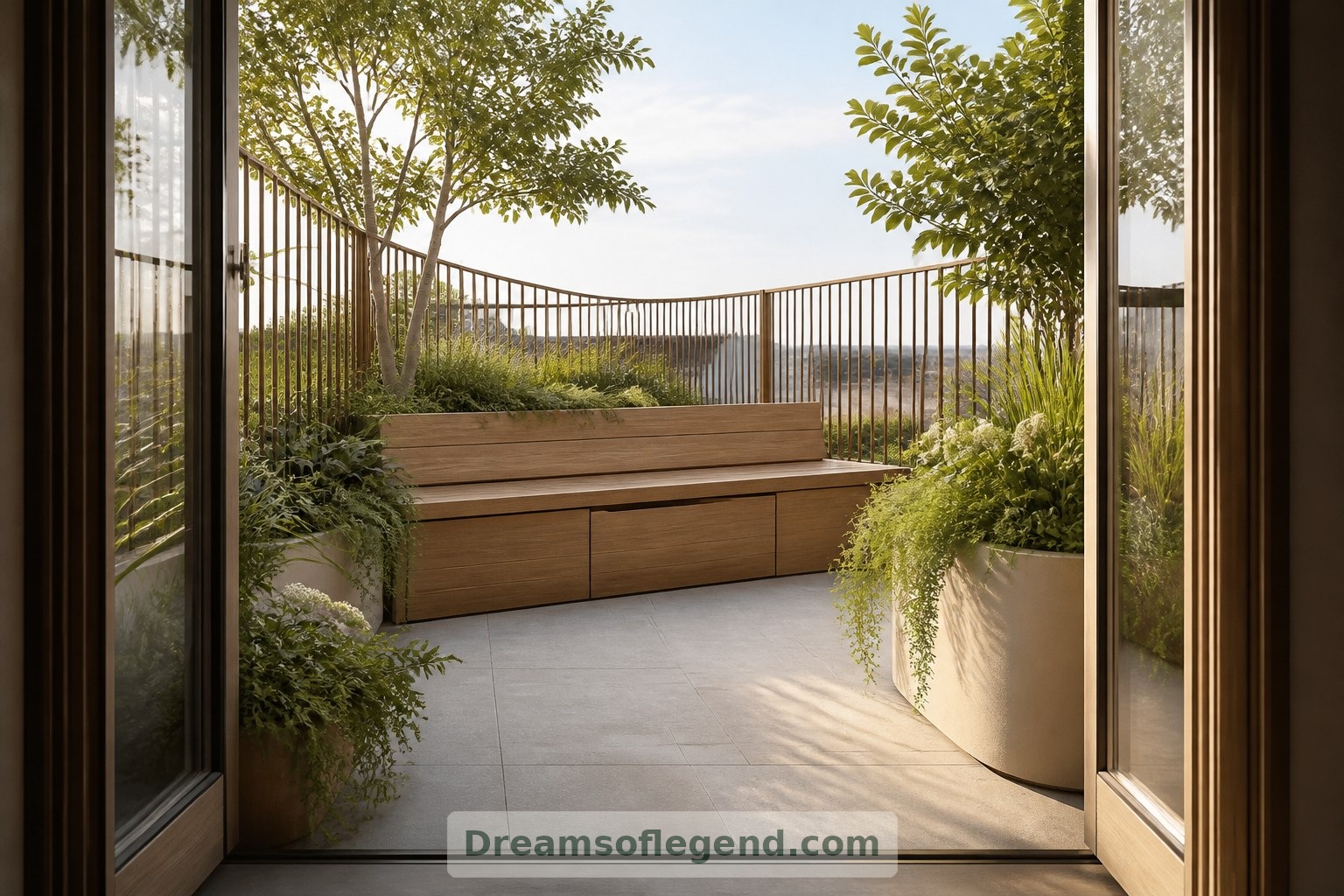
The garden begins at the doorway. A flush transition, where technically feasible, connects the interior to warm-toned paving, while a sheltered landing gives you somewhere to pause with a coffee. A slim bench and recessed storage keep cushions and gardening tools nearby without making the entrance feel cluttered.

Before choosing finishes, commission professional assessments of structural capacity, waterproofing, drainage, safe access and perimeter protection. These essentials shape everything that follows.
2. Plant a Landscape, Not a Collection of Pots
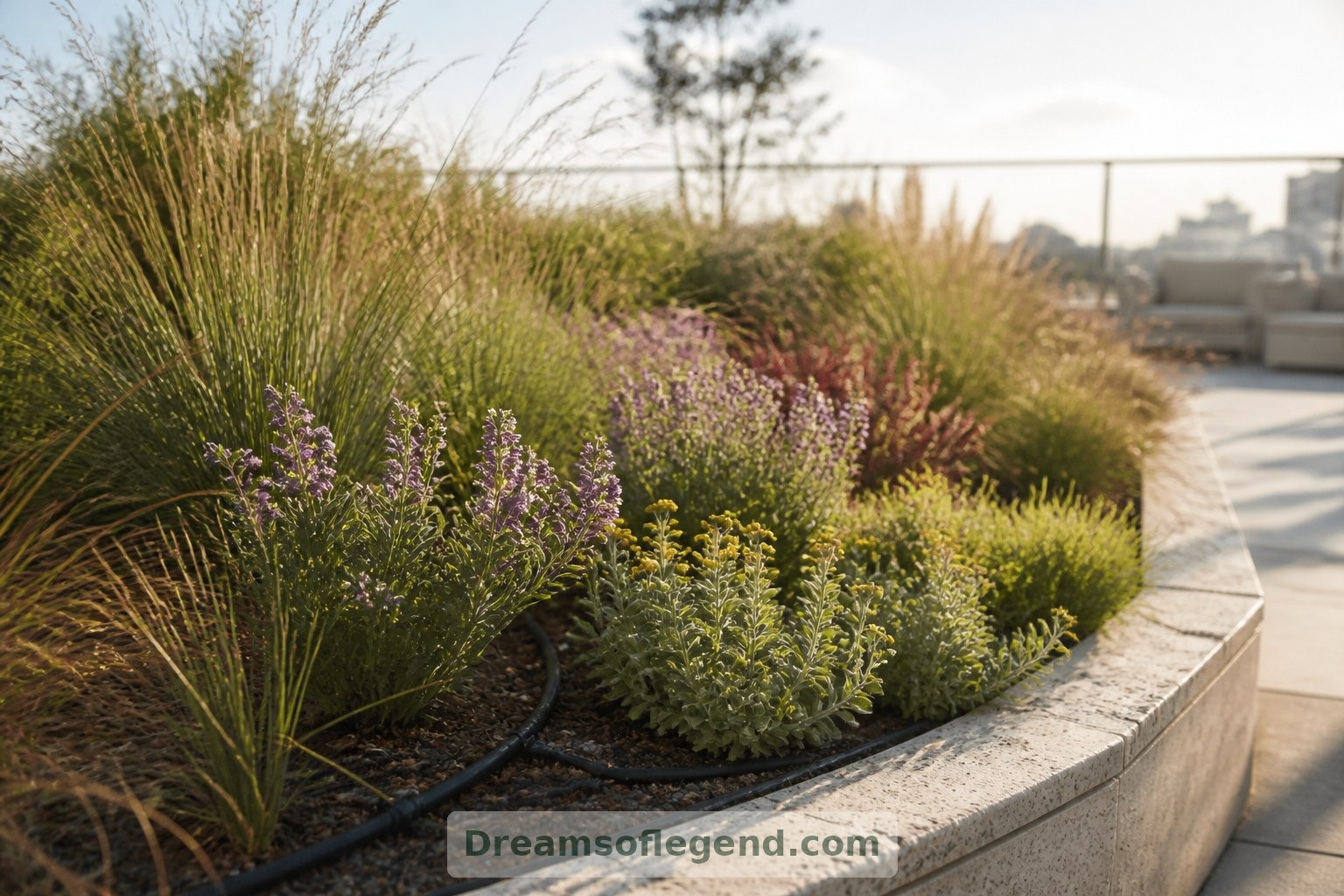
Broad planting beds create a more immersive atmosphere than scattered containers. Imagine low aromatic herbs beside the path, soft grasses catching the light, and carefully selected shrubs forming sheltered pockets. Repeated plants give the garden rhythm, while seasonal flowers add small surprises.
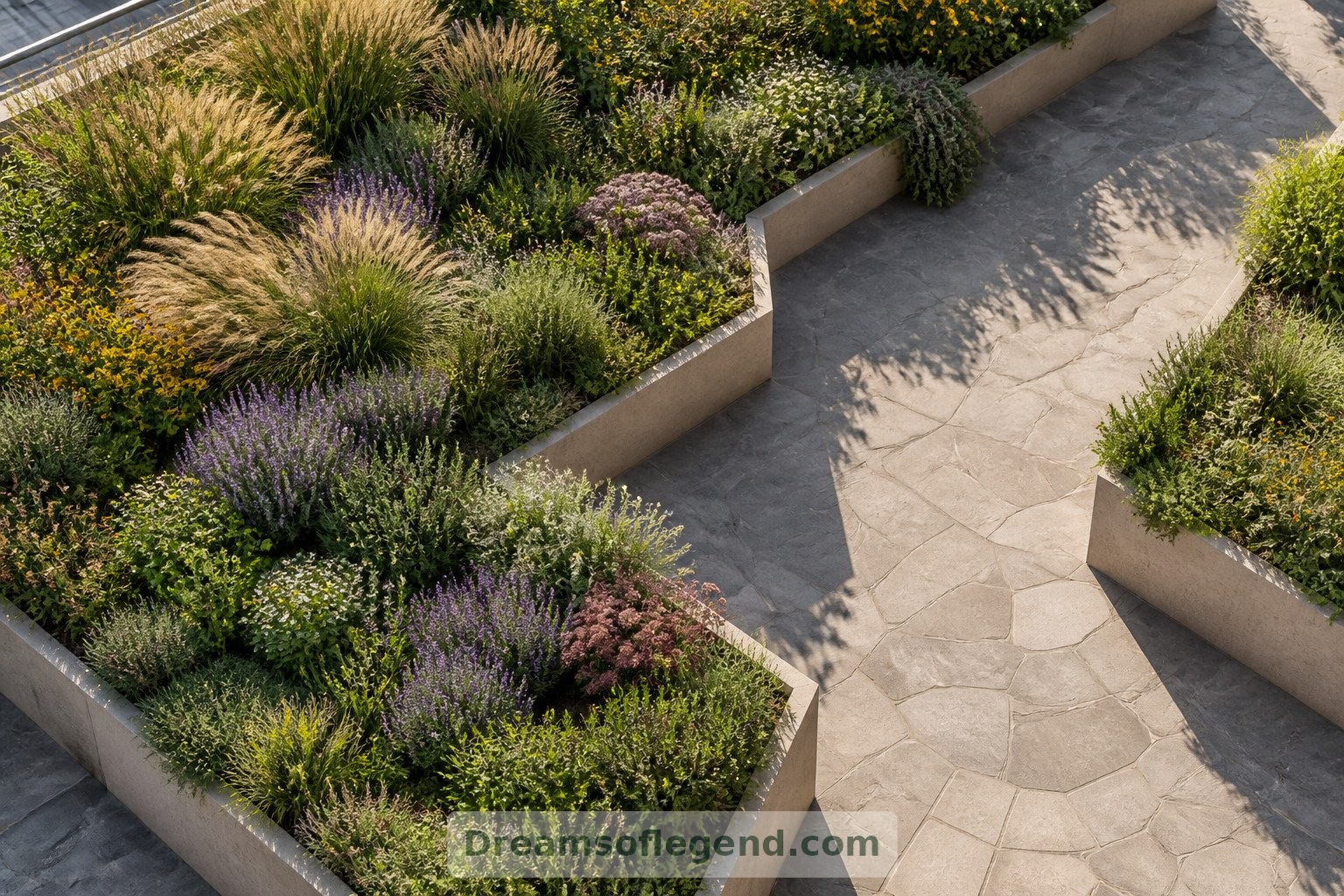
Species and growing media should suit the local climate, rooftop exposure and available maintenance. Irrigation, drainage outlets and inspection points belong in the design from the beginning.
3. Create Rooms Without Closing the Sky
A rooftop feels more welcoming when it has distinct places to settle. Here, a slatted pergola defines the sitting area, with a deep outdoor sofa facing planting rather than the skyline. Elsewhere, a single lounge chair occupies a quieter corner.
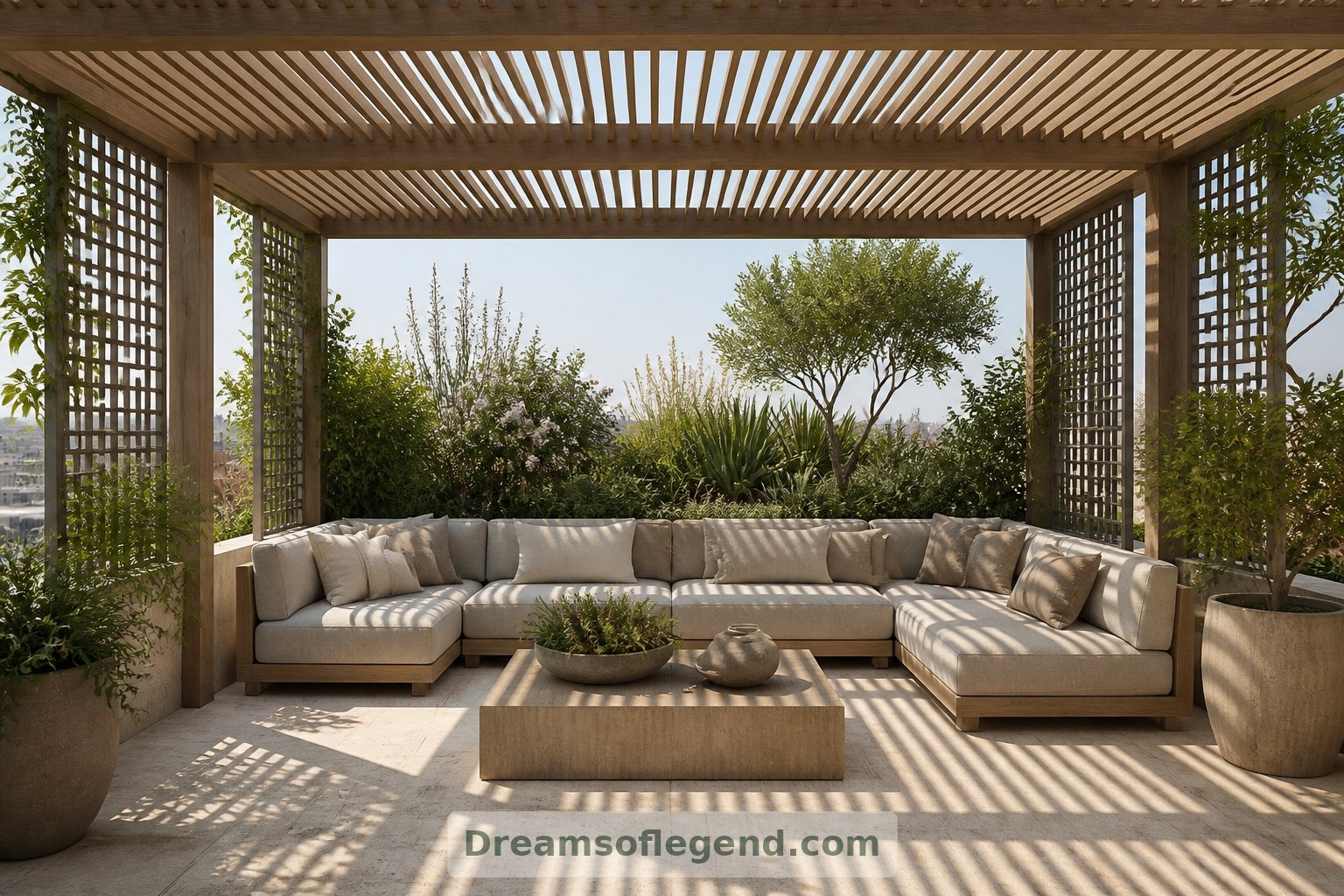
Permeable screens can help temper exposure, but their design and fixings need professional attention. Keep circulation generous, and use changes in planting or paving to suggest boundaries without creating obstacles.
4. Give Everyday Rituals a Beautiful Setting
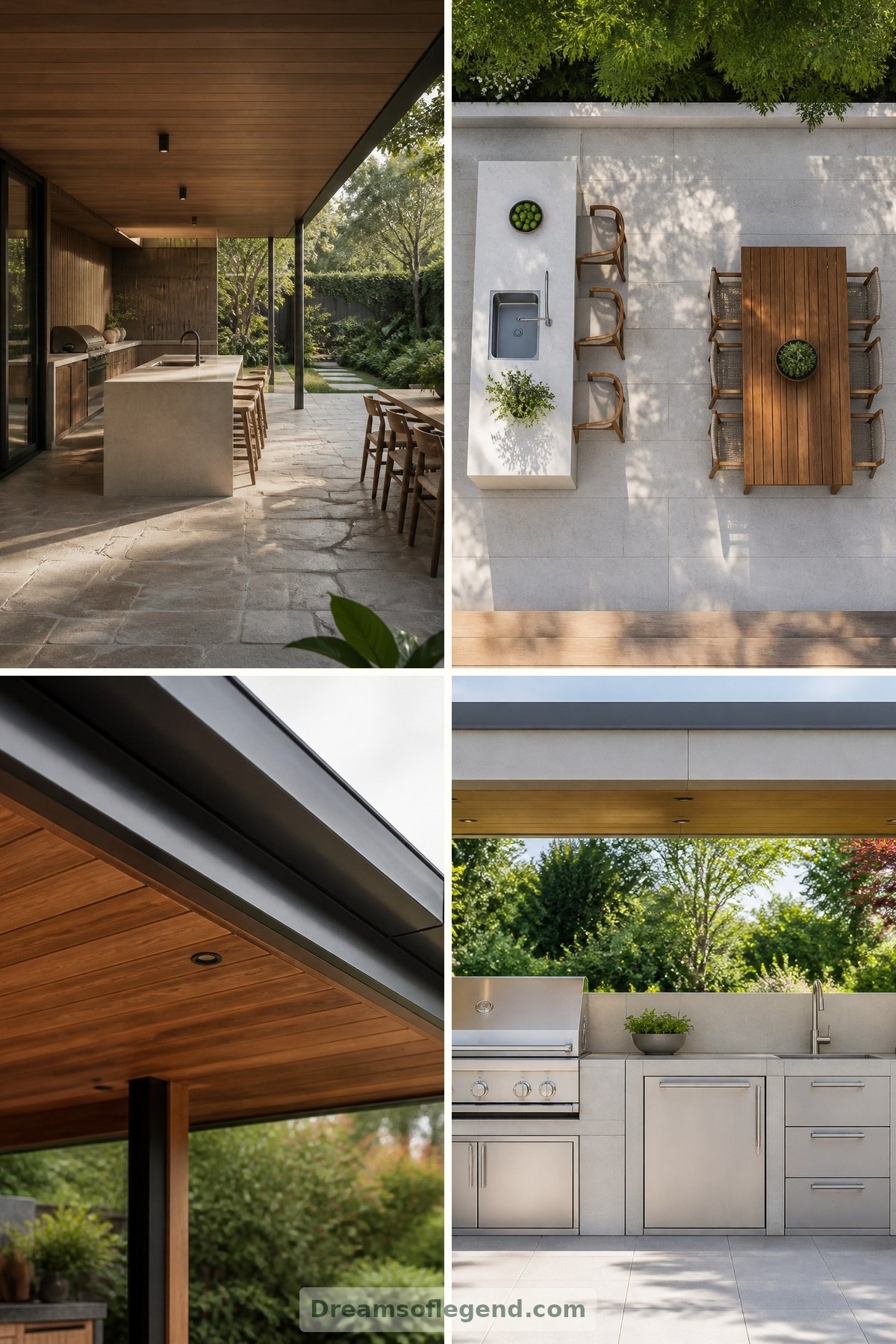
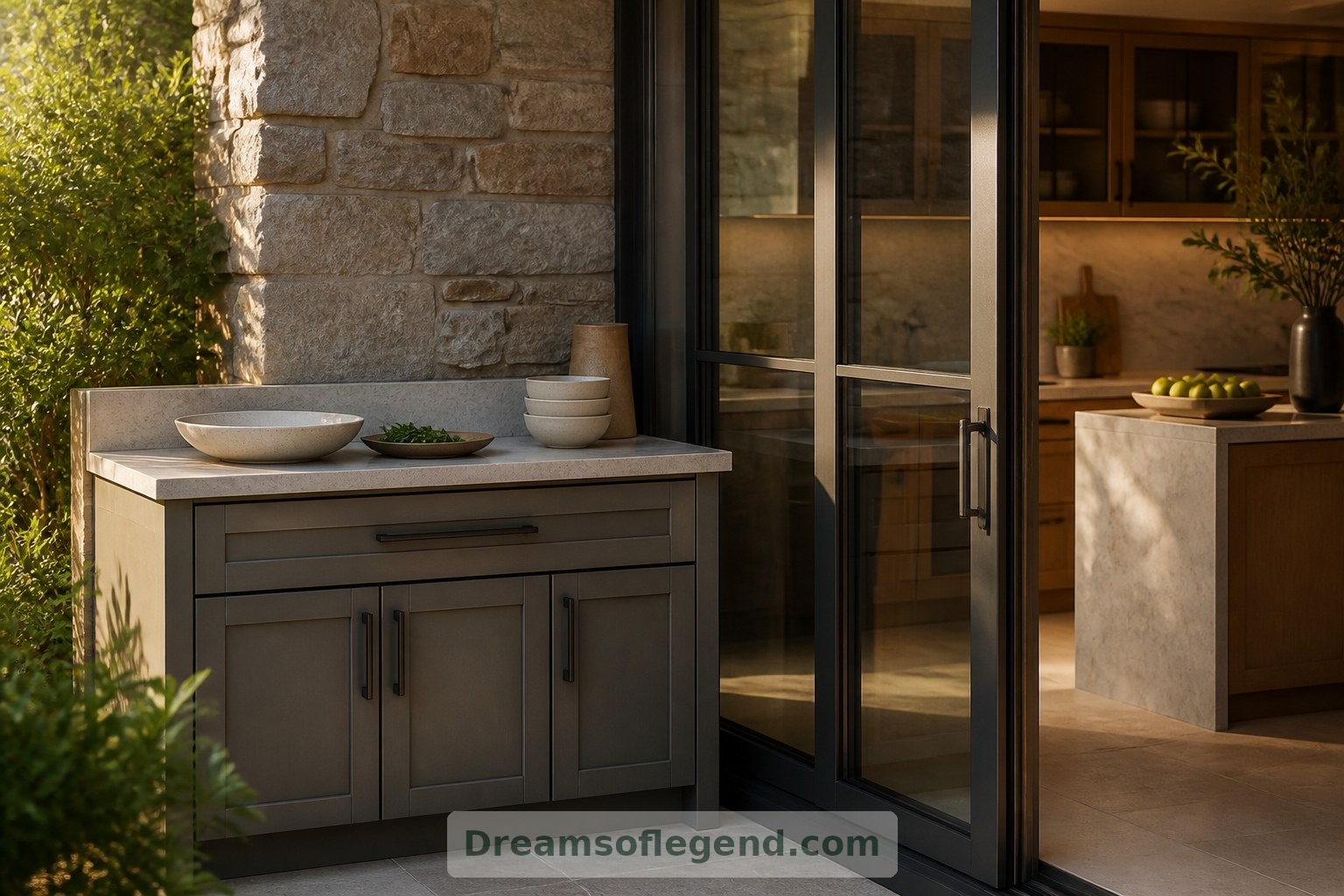
An outdoor dining table makes the roof part of daily life. In this concept, a compact preparation counter sits close to the indoor kitchen, reducing the need to carry everything across the terrace. Durable cabinetry and a washable worktop keep the arrangement straightforward.

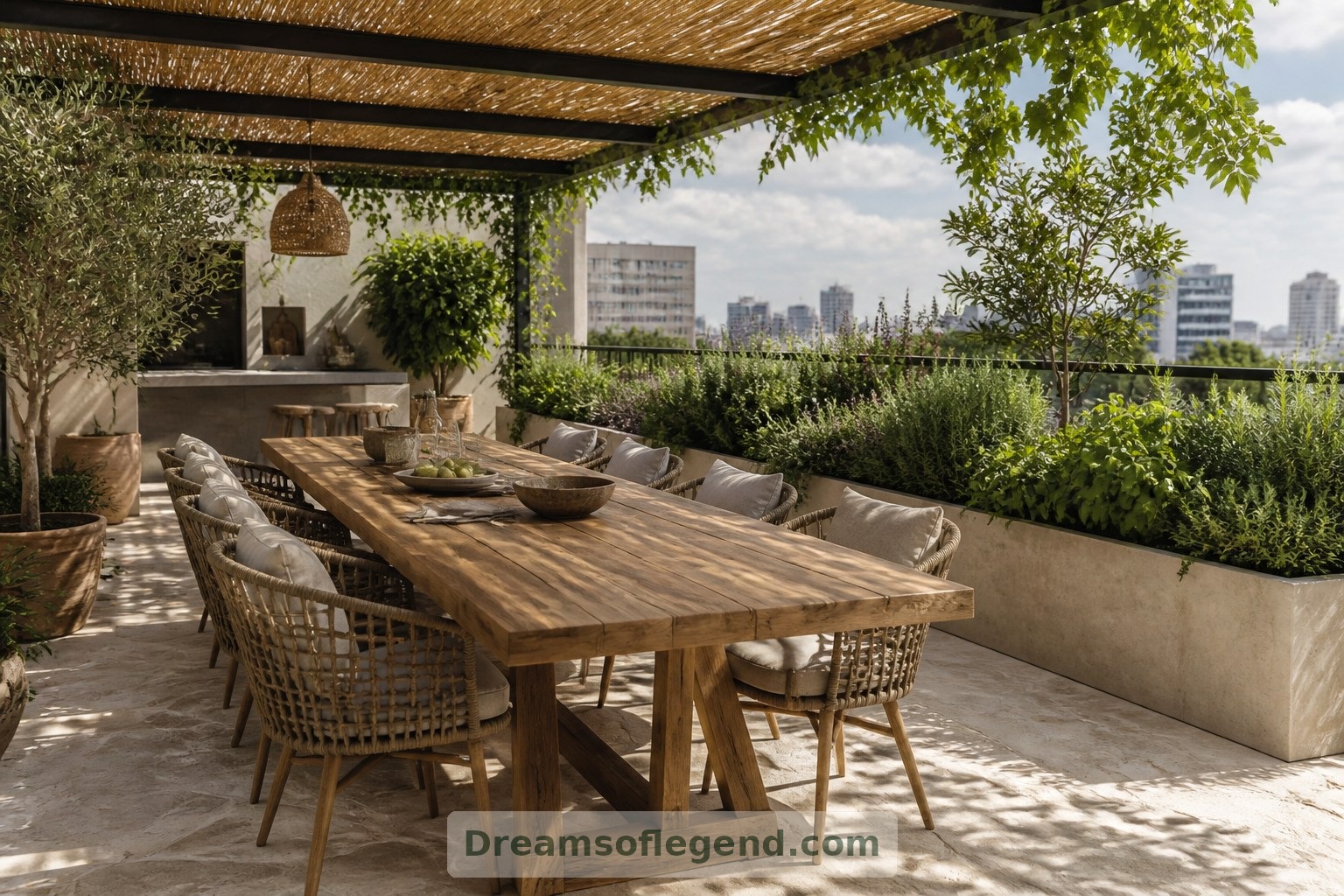
A dining pergola provides filtered shade. Beneath it, comfortable chairs invite lingering lunches, while a nearby herb planter brings fragrance within easy reach.
5. Leave Space for Quiet and Wildlife
Not every corner needs furniture. A small, shallow water bowl could reflect the sky and offer birds a drinking place, provided its weight, hygiene and upkeep are addressed. Flowering plants selected for local pollinators add another layer of life.
From the reading chair, the most satisfying view might be this modest scene: moving stems, visiting insects and light shifting across textured paving.

6. Let Evening Change the Atmosphere
At dusk, restrained lighting keeps the garden intimate. Shielded fixtures illuminate steps and paths; a soft glow beneath the pergola supports conversation without flooding the roof.
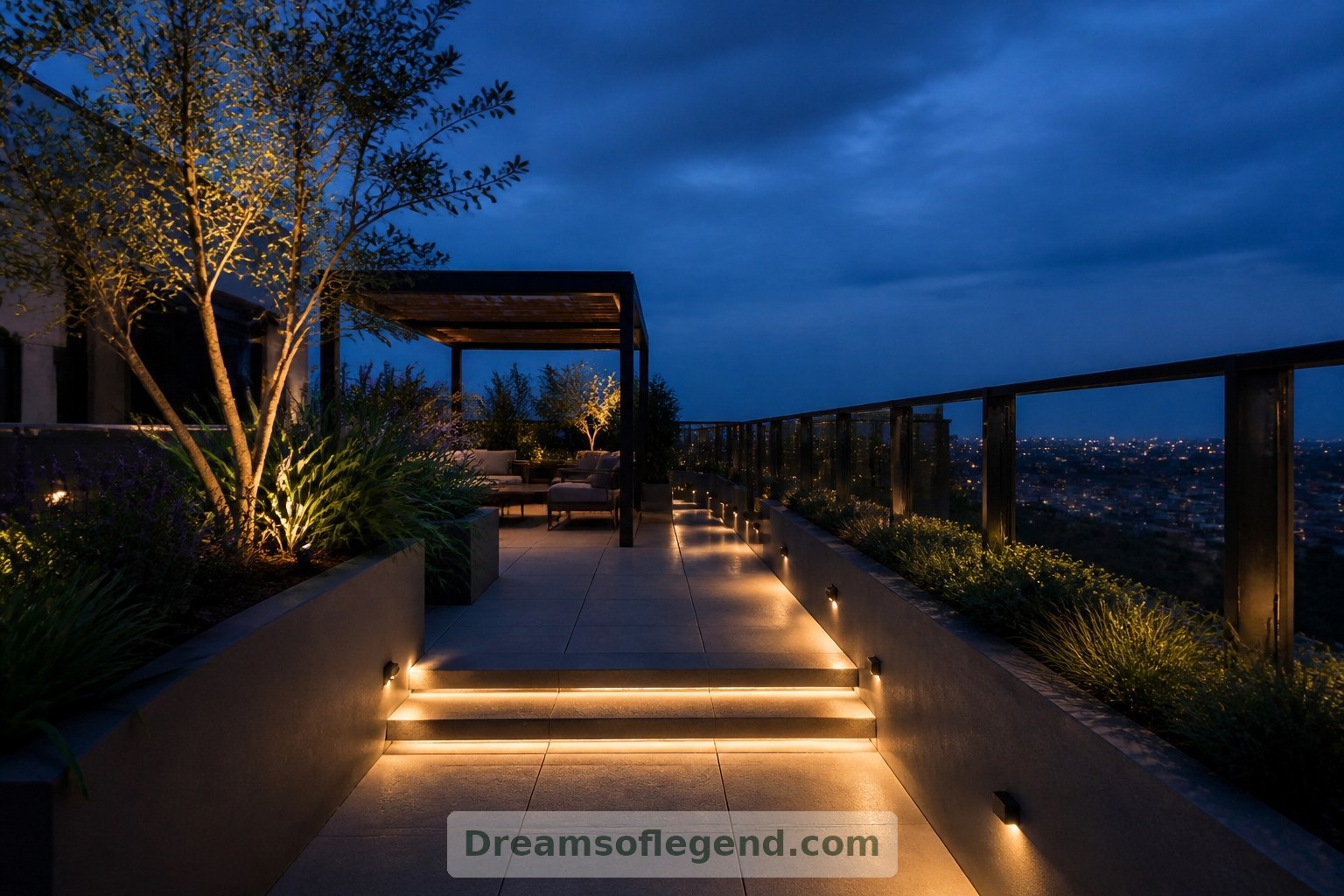
Choose outdoor-rated fittings and avoid unnecessary upward light. The aim is not to compete with the city, but to make a comfortable foreground against its distant sparkle.
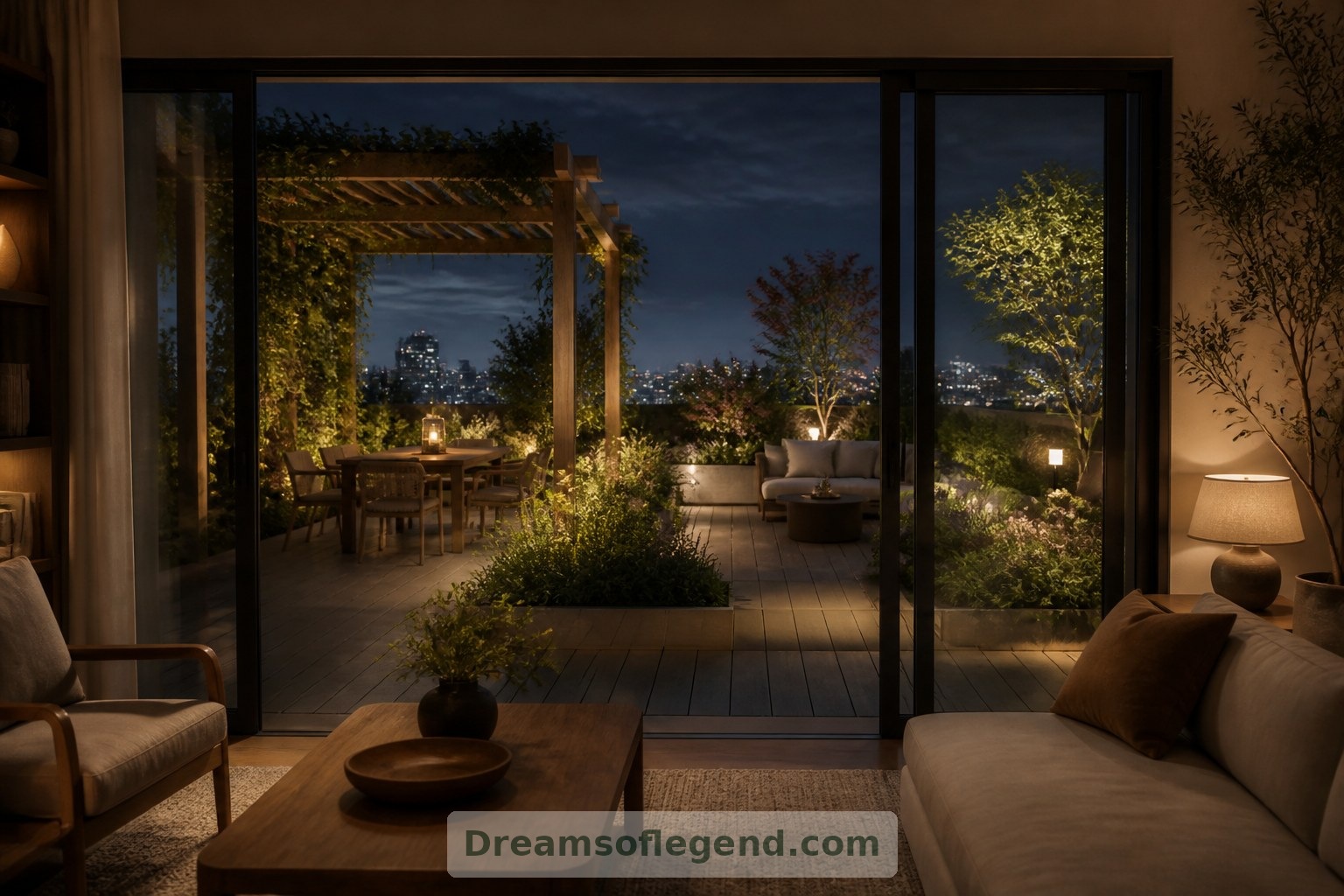
The most memorable rooftop gardens are not simply decorated roofs. They bring planting, shelter and everyday rituals into balance. With careful engineering and thoughtful design, an elevated outdoor space can feel like a genuine extension of home: open to the city, yet wonderfully your own.