Future Homes Grown from Mycelium: The Promise and Limits of Fungal Materials
Imagine warm, textured rooms shaped with fungal materials. Mycelium could help create gentler interiors, but moisture, durability and building regulations still shape what is possible.
AI-generated concept imagery. These illustrations are not documentary photographs or proof that a place exists.
Dreams of Legend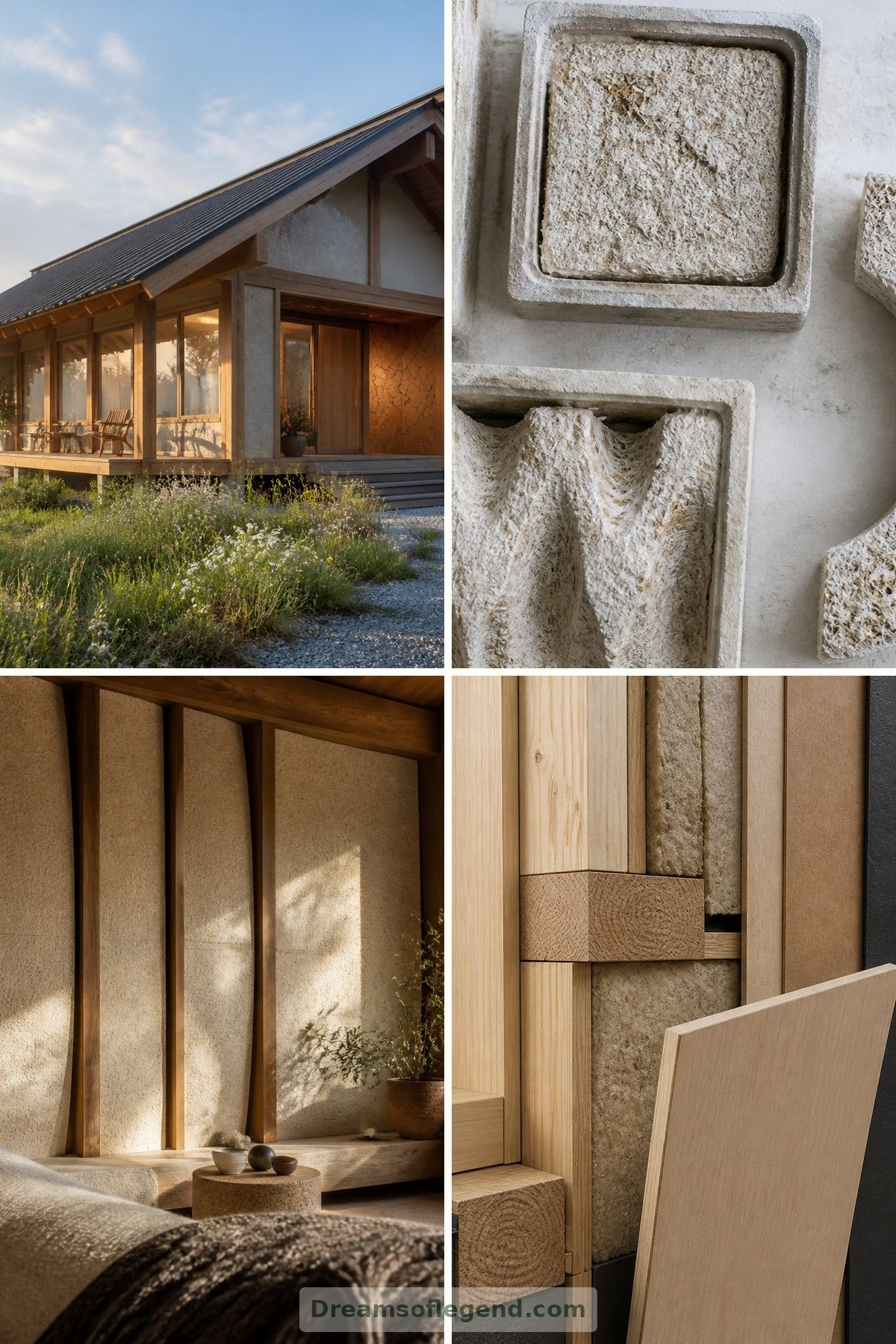
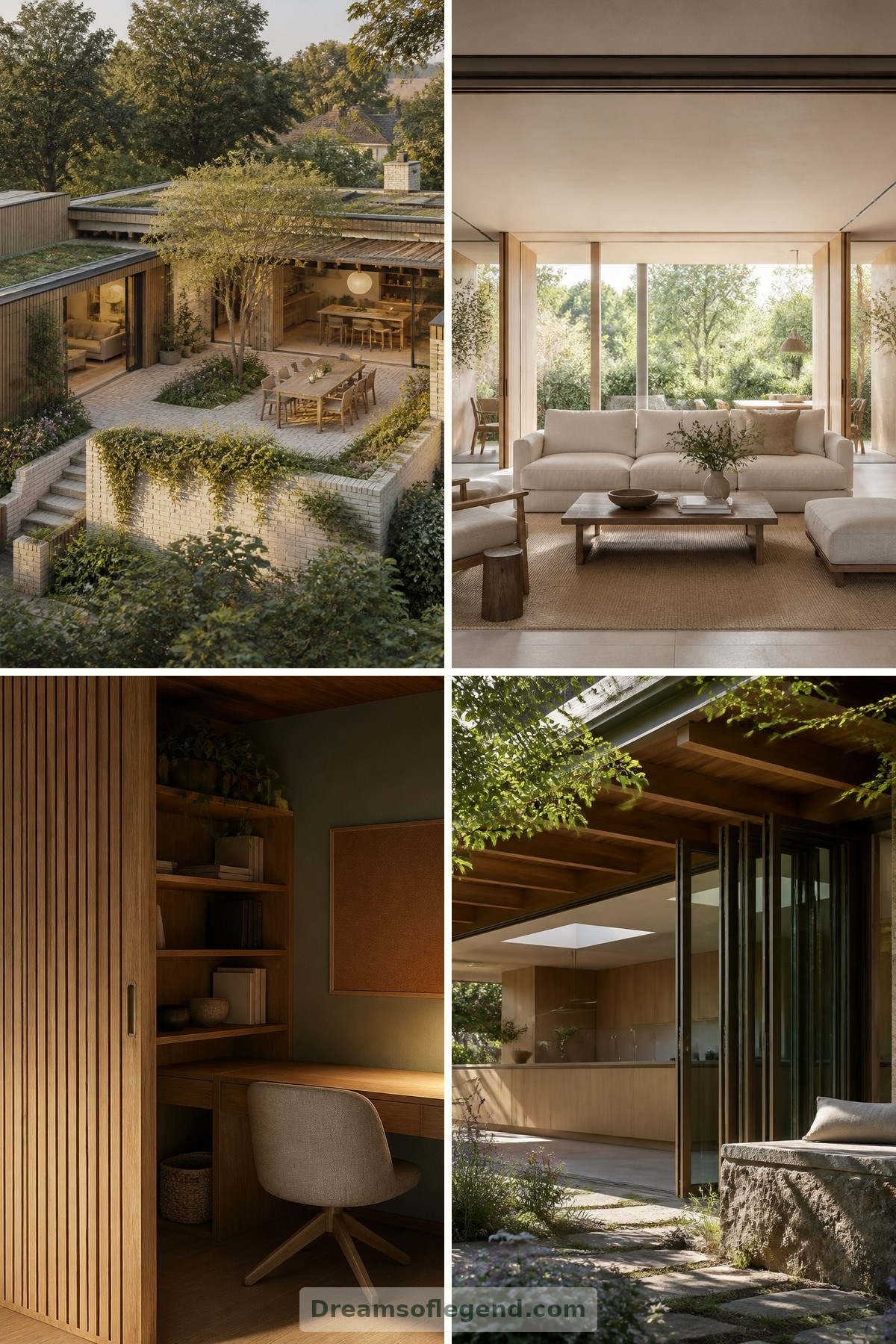
Imagine arriving home to softly textured walls, rounded window reveals and a reading nook lined with panels the color of oatmeal. Some of those surfaces might begin as agricultural fibers bound together by mycelium, the branching network of fungi. This is not a ready-to-build house proposal or a destination to visit. It is an imagined home exploring a real material field—and the practical questions behind its promise.
1. What Actually Grows
In mycelium composites, fungal growth binds a feedstock, such as plant fibers, into a coherent material. Manufacturers can cultivate it in molds, then dry or heat-treat it to stop growth. The finished product is generally not a living wall of mushrooms. Its properties depend on the fungus, feedstock, processing and any added treatments.
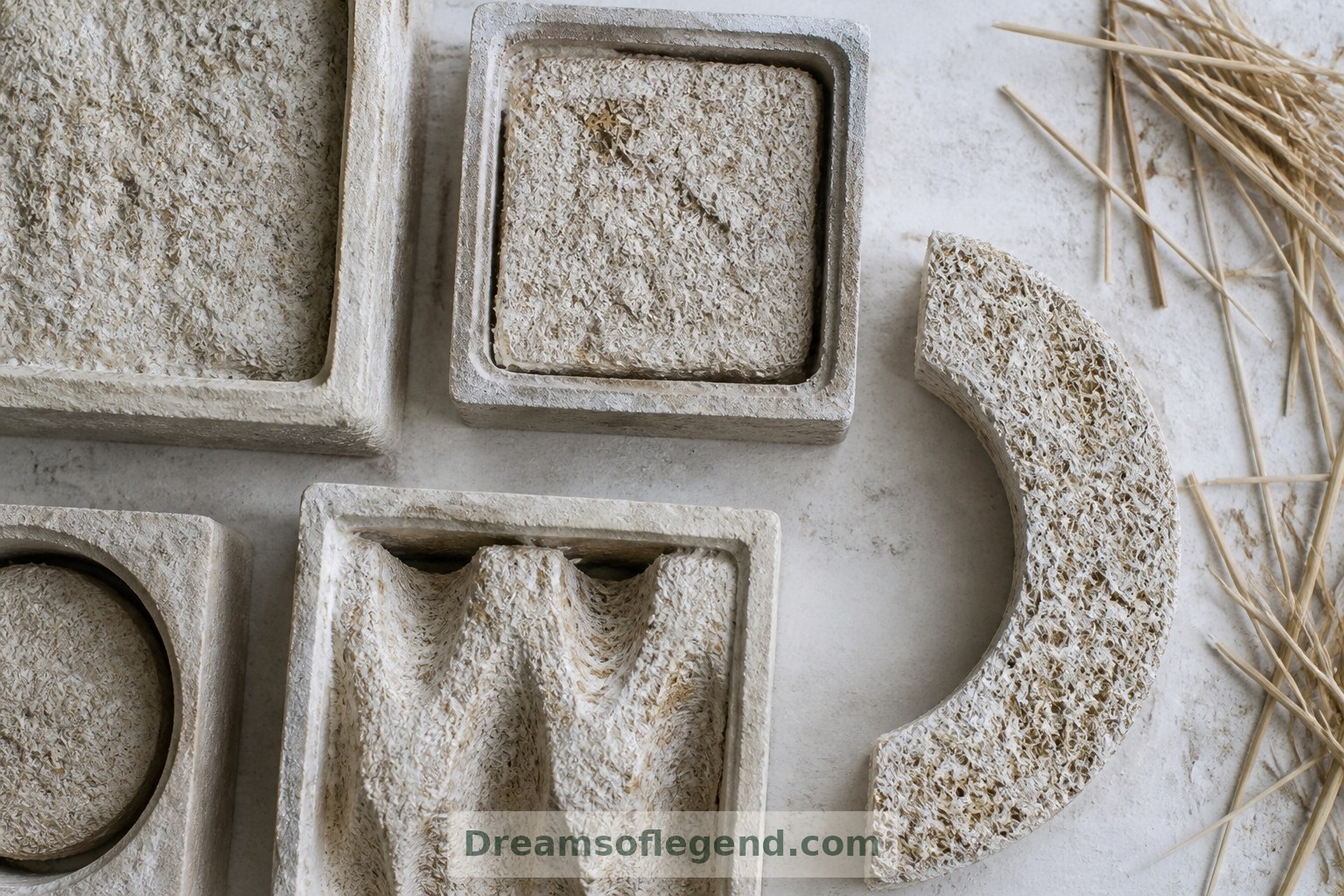
2. A Living Room with a Softer Edge
In our fictional living room, replaceable mycelium-based panels sit within a timber framework, their shallow curves catching afternoon light. A wool sofa and cork side table keep the palette warm rather than laboratory-like. Some formulations show potential for acoustic absorption, making sound-softening applications an appealing direction. Performance, however, must be demonstrated for the particular product and installation.
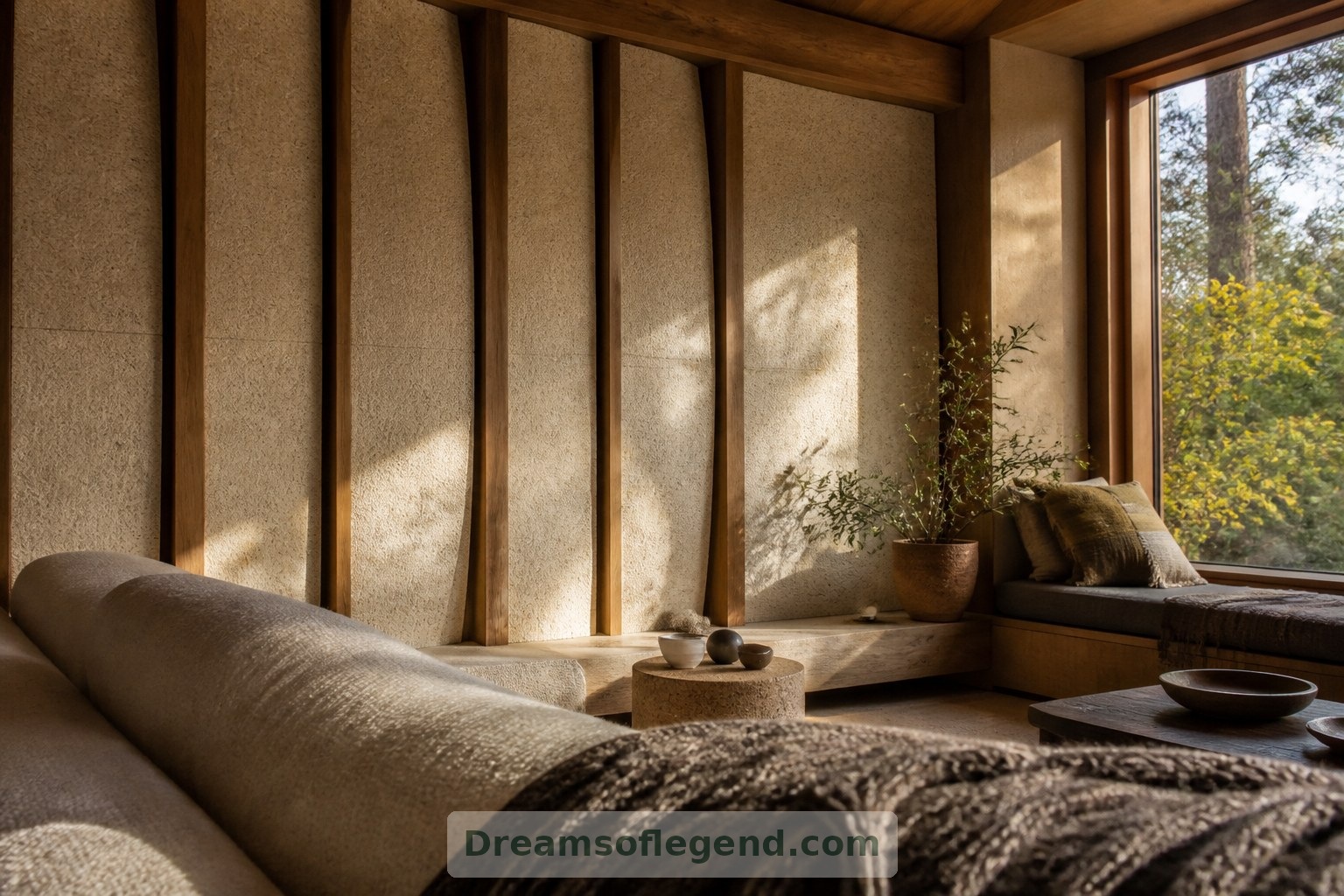
3. Insulation, Not Instant Structure
The most convincing dream home does not ask one experimental material to do everything. Here, an engineered structure supports the roof and floors, while fungal composites are imagined as selected interior components or protected insulation. Thermal performance varies, and structural use demands substantial validation. A house cannot simply be grown in place and assumed safe to occupy.
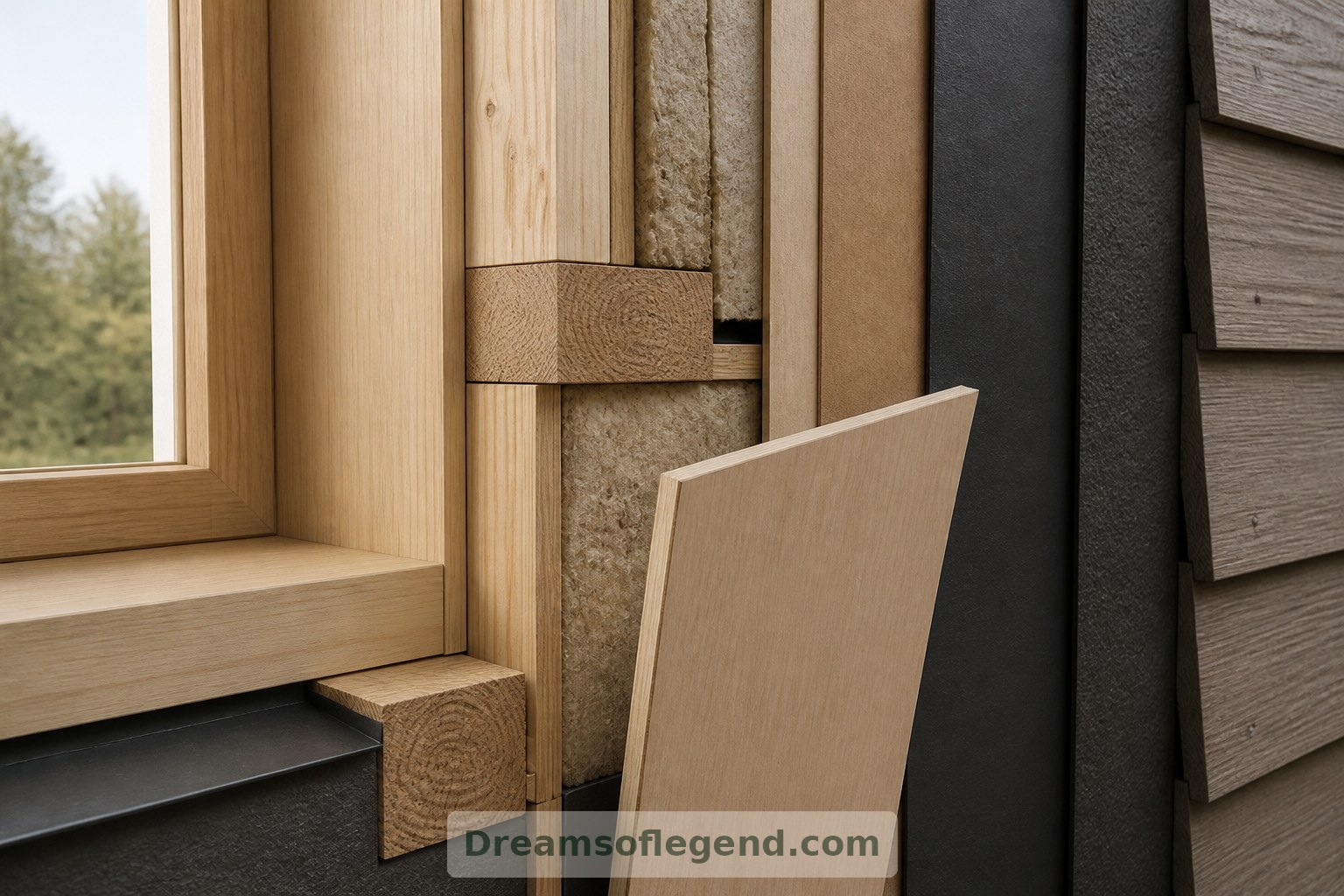
4. Designing Around Water
Picture a bright bathroom with tile around the shower and fungal-material accents kept outside splash zones. Moisture is a central challenge: untreated composites can absorb water, and damp conditions may compromise performance. Protective finishes, ventilation and careful detailing matter, but coatings can also change environmental credentials. In this concept, accessible fixings make inspection and replacement straightforward.
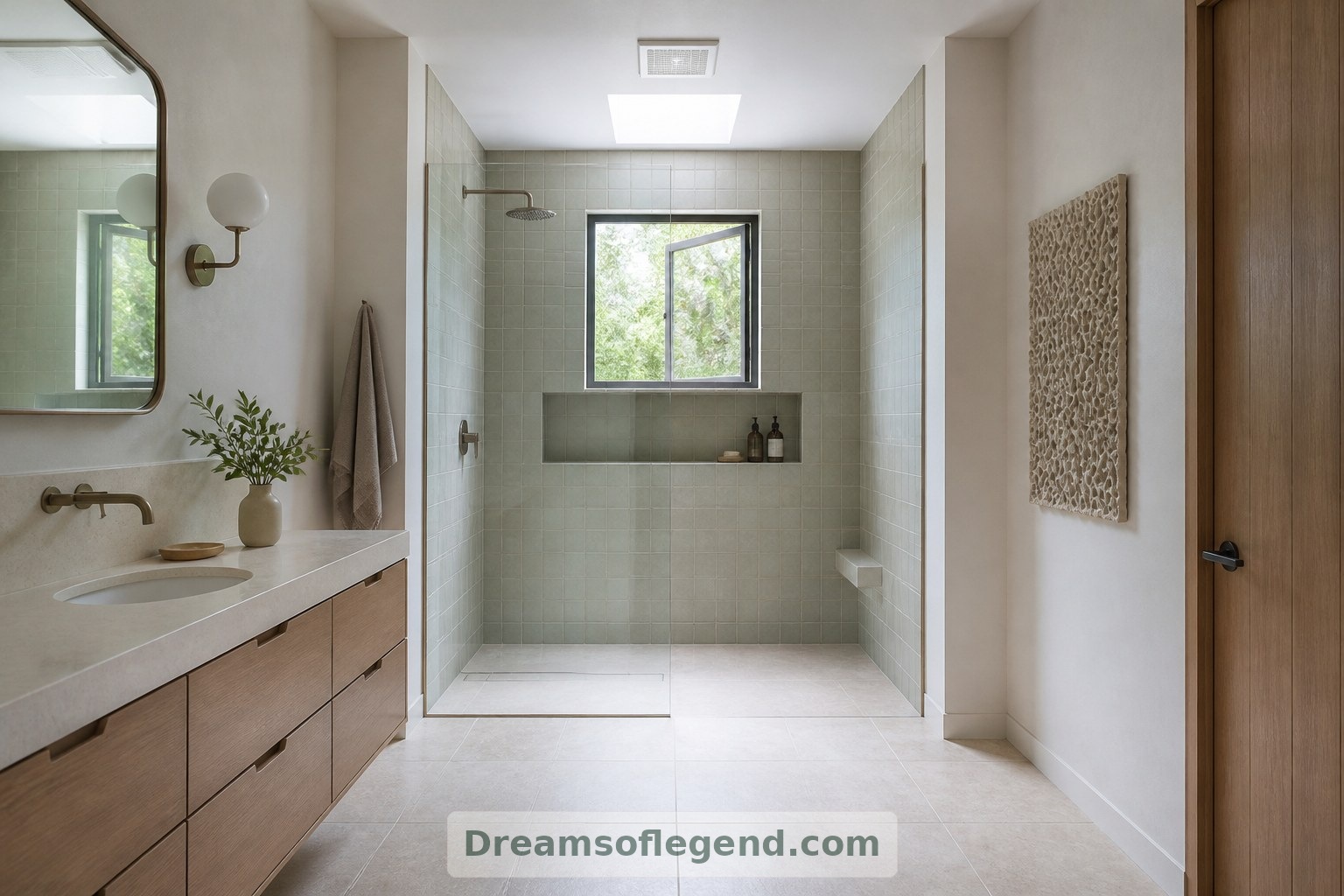
5. Beauty Needs Evidence
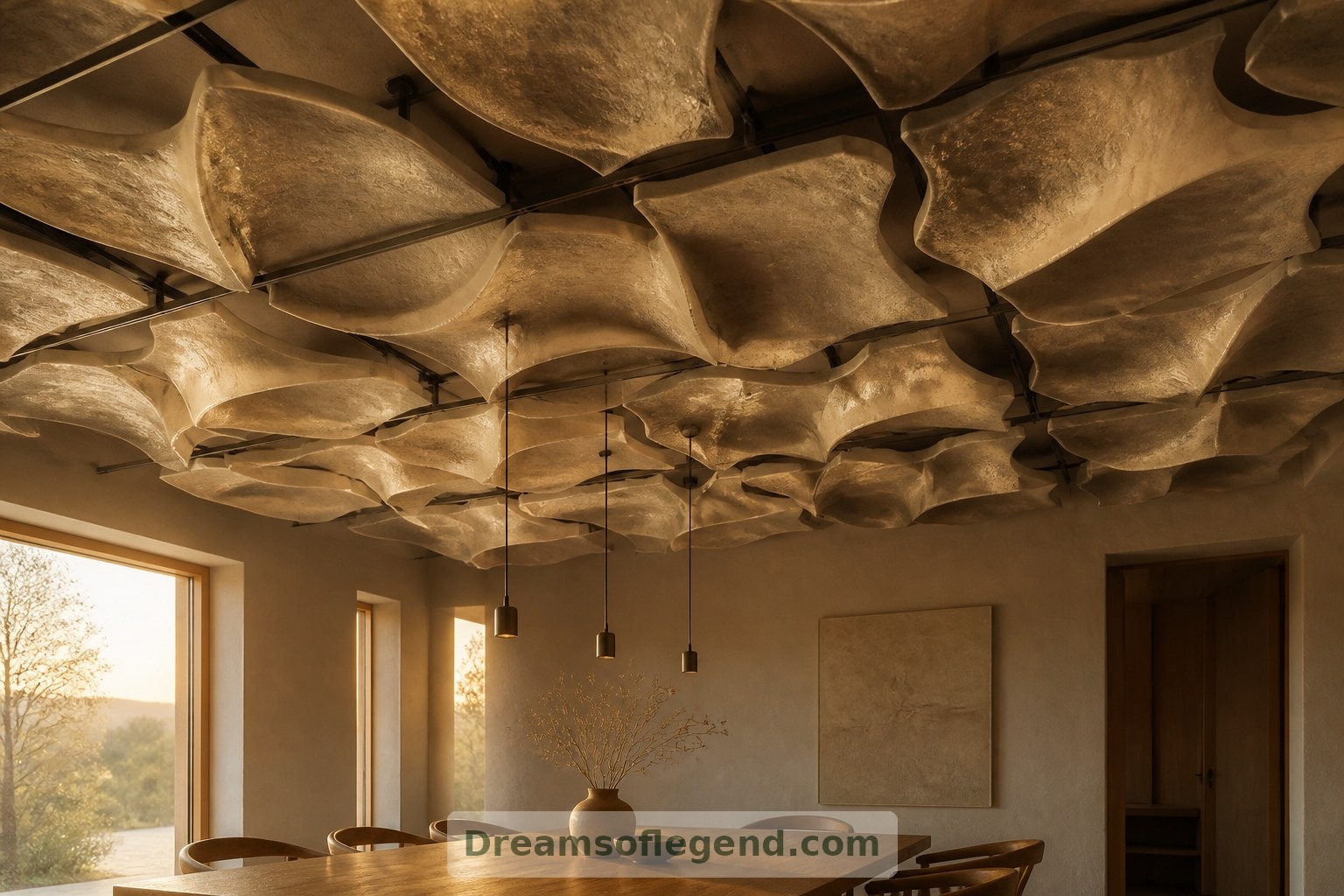
A sculpted ceiling above a dining table might look wonderfully calm, yet appearance tells us little about safety. Fire behavior, smoke, emissions, strength and long-term durability require product-specific testing. Building approval also depends on local rules and the intended application. Natural origin alone does not establish that a material is healthy, fire-safe or suitable for every room.
6. A Home Designed for Its Next Life
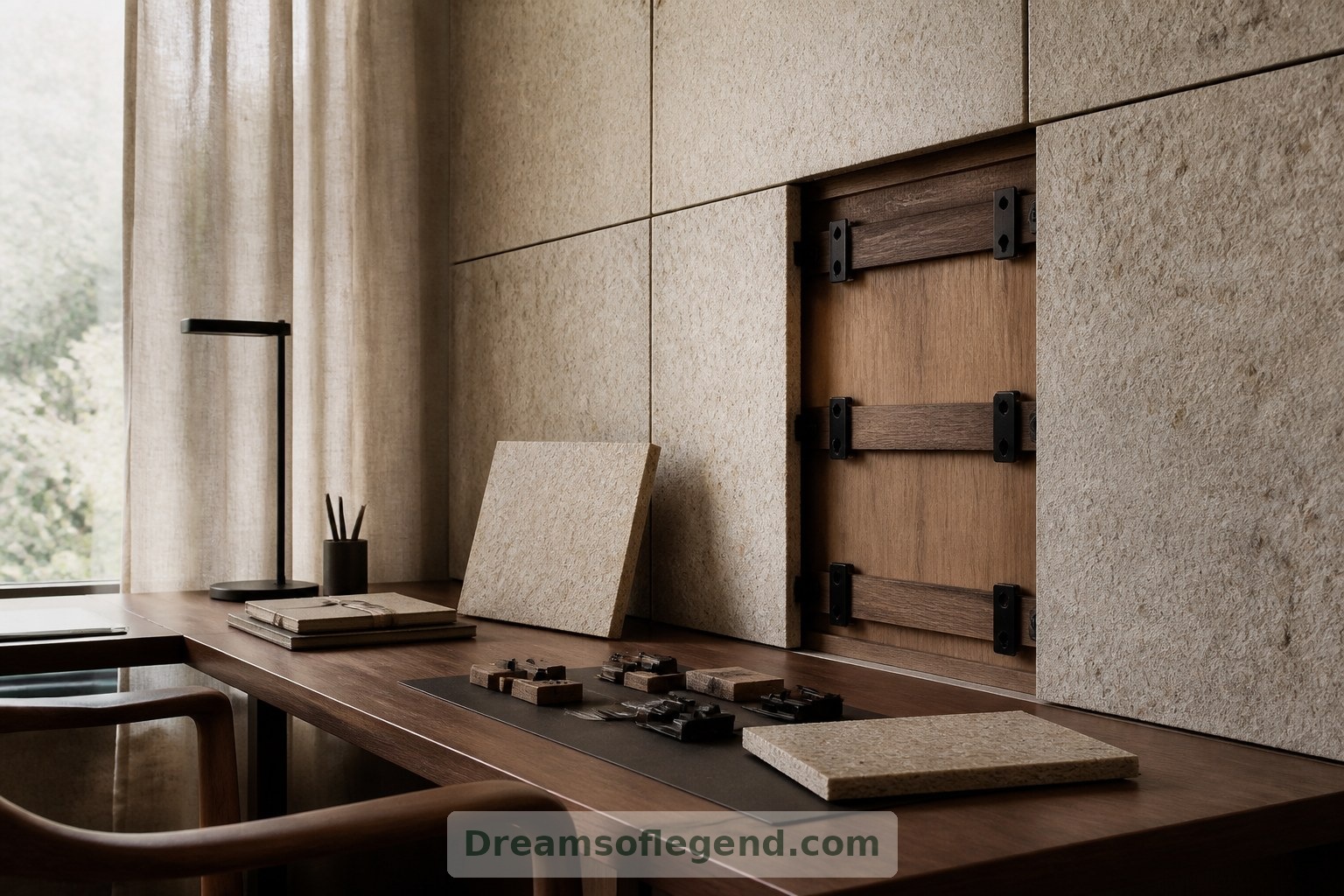
The deeper attraction is a different relationship with resources. Using residual plant matter could reduce reliance on some conventional materials, but environmental benefits depend on cultivation energy, drying, transport and lifespan. Compostability is not automatic once binders or finishes enter the mix. Our imagined study therefore uses modular panels, documented ingredients and reversible connections rather than permanent adhesive layers.
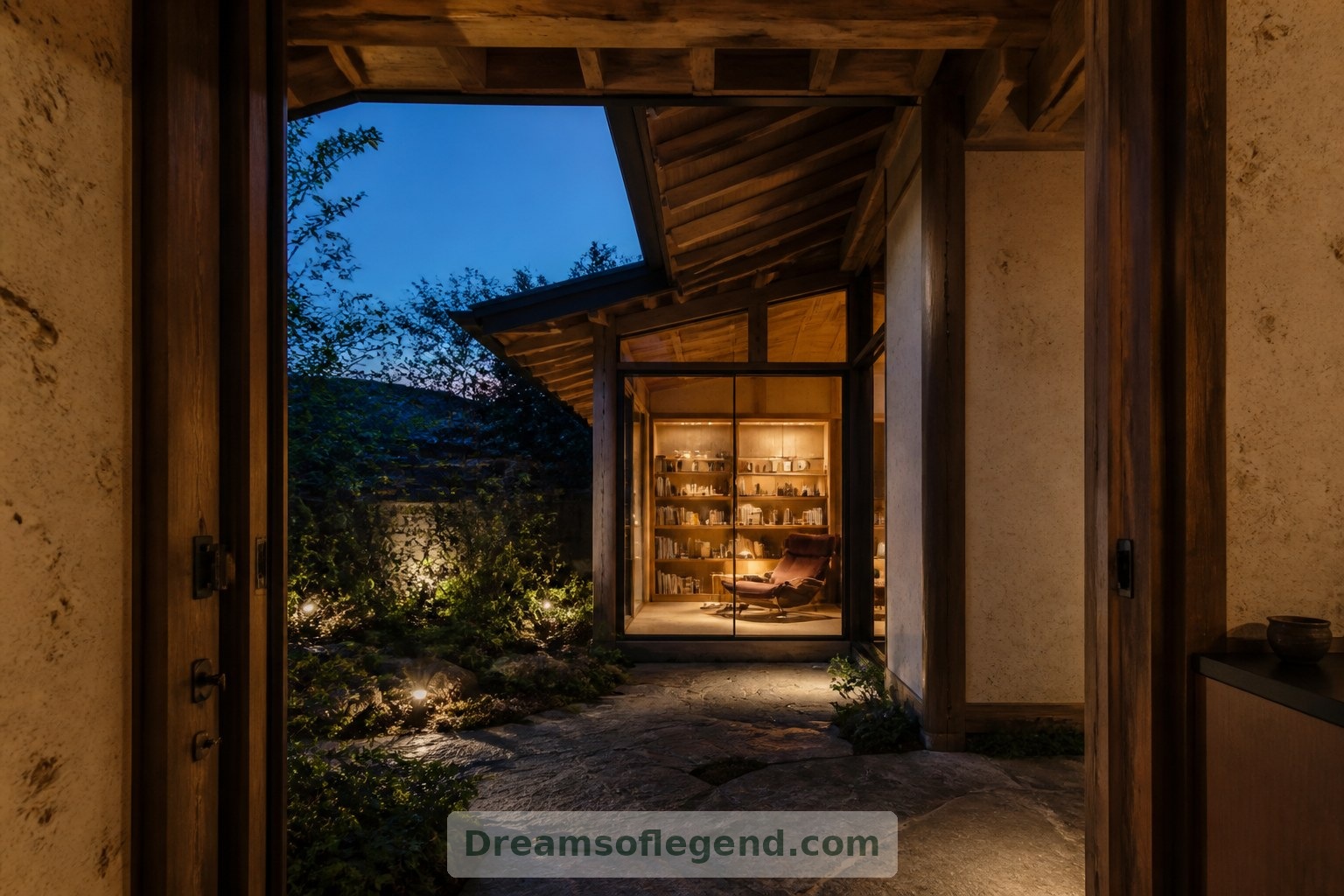
Tomorrow’s extraordinary home may feel less like a technological spectacle and more like a thoughtfully made refuge. Mycelium offers intriguing possibilities, especially in carefully chosen nonstructural applications. The dream becomes credible when tactile beauty meets tested performance, honest environmental accounting and details designed to be maintained.
How does this inspire you?
Choose one reaction. Click it again to remove it. Your choice is saved with a browser cookie.
Loading reactions…