Listening Rooms for Music Lovers: Beautiful Interiors Built Around Sound
A listening room makes music part of the architecture. Explore imagined interiors where thoughtful acoustics, tactile materials and inviting furniture turn everyday listening into a cherished ritual.
AI-generated concept imagery. These illustrations are not documentary photographs or proof that a place exists.
Dreams of Legend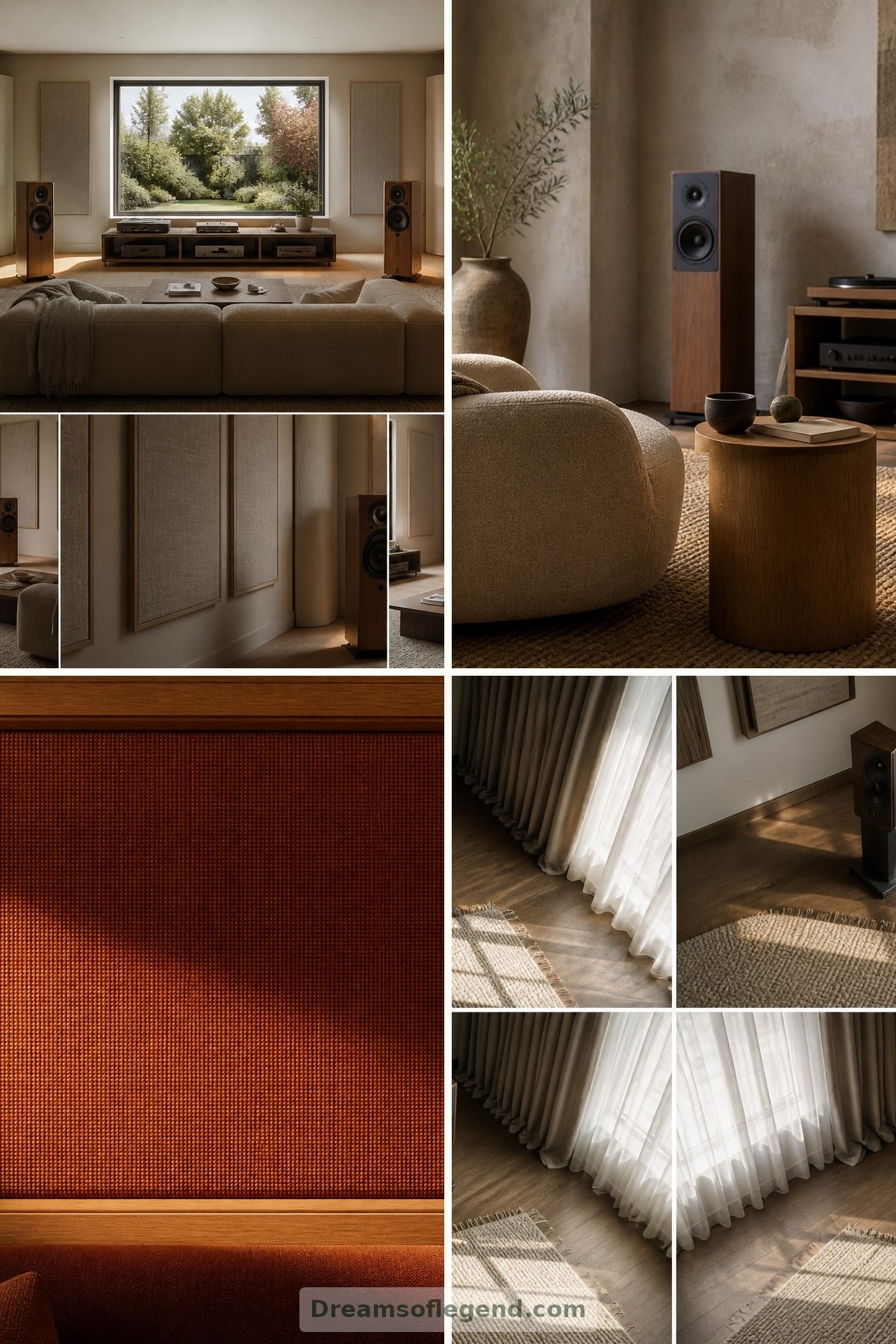
Some dream rooms begin with a view; others begin with the opening notes of a favorite record. A listening room invites you to settle in, put your phone aside and hear familiar music differently. The interiors explored here are imagined residential concepts, not real destinations: welcoming spaces where sound shapes the layout, materials and mood without making home feel like a recording studio.
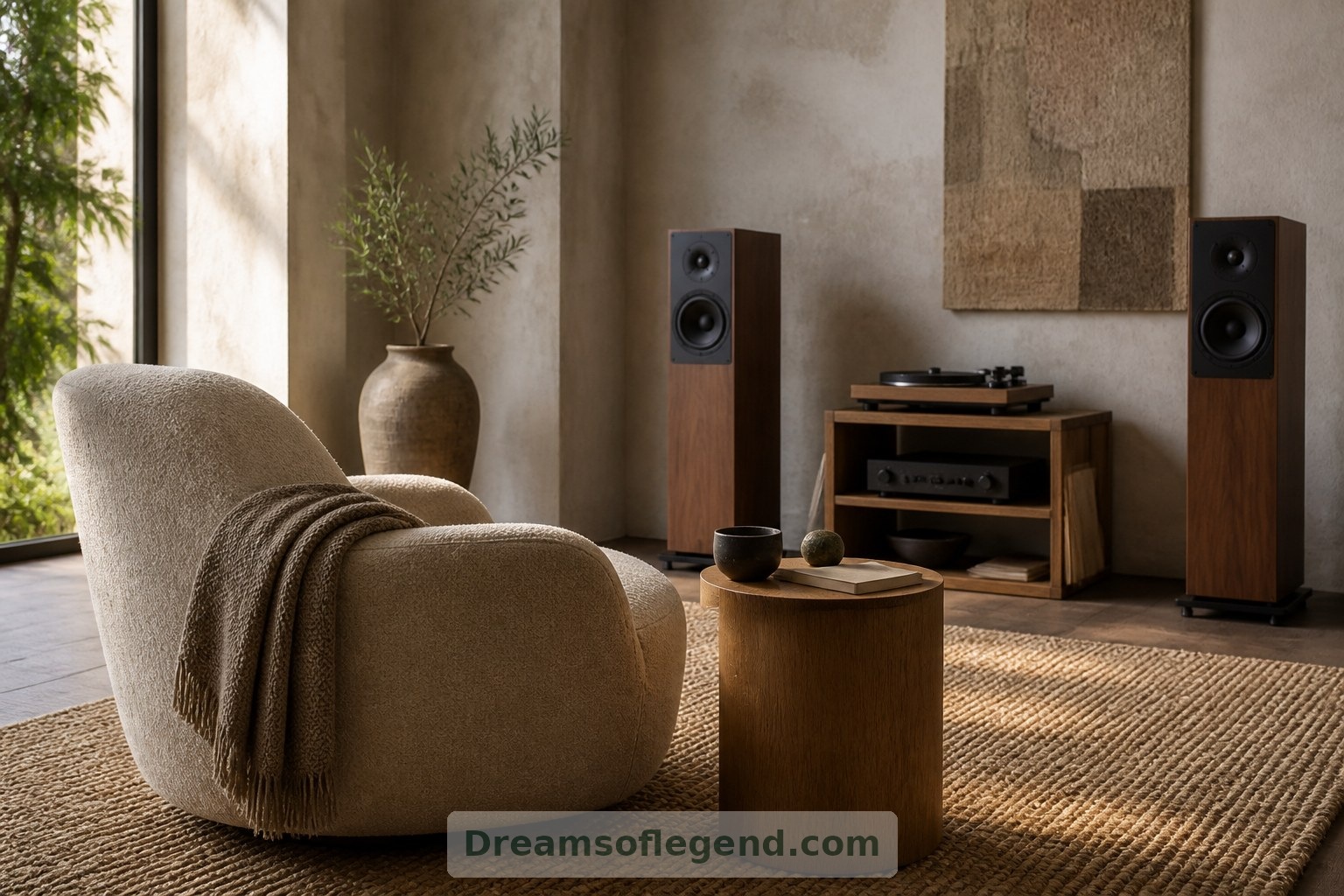
1. Begin with the Listening Seat
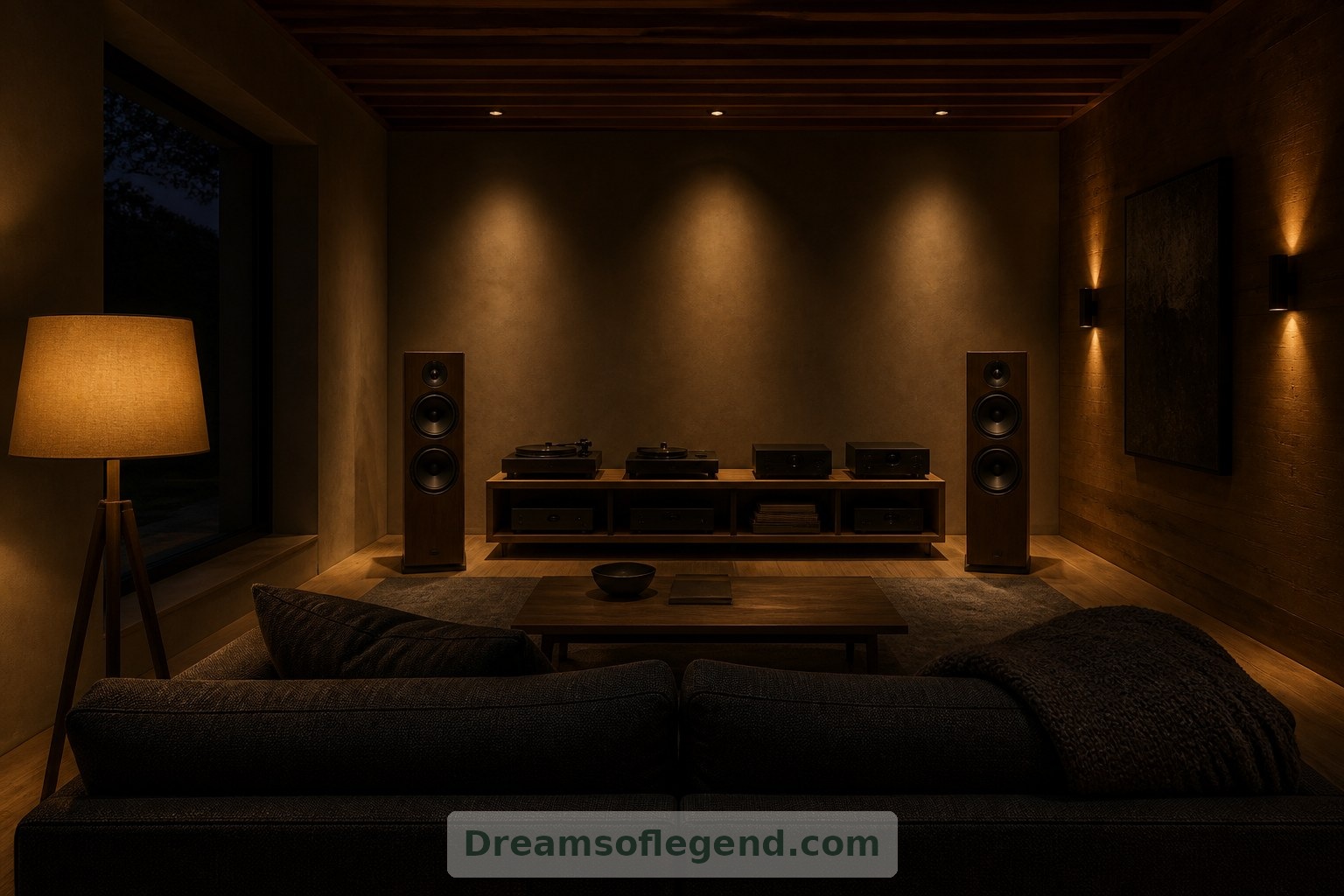
Start with a comfortable chair or modest sofa, then arrange the speakers and seating as a balanced triangle. Keep the initial layout symmetrical, while allowing room to experiment with distances from walls. A low-backed wool armchair, an oak side table and a generous rug create an inviting center without crowding the space between listener and speakers.

2. Let Acoustic Treatment Become Architecture
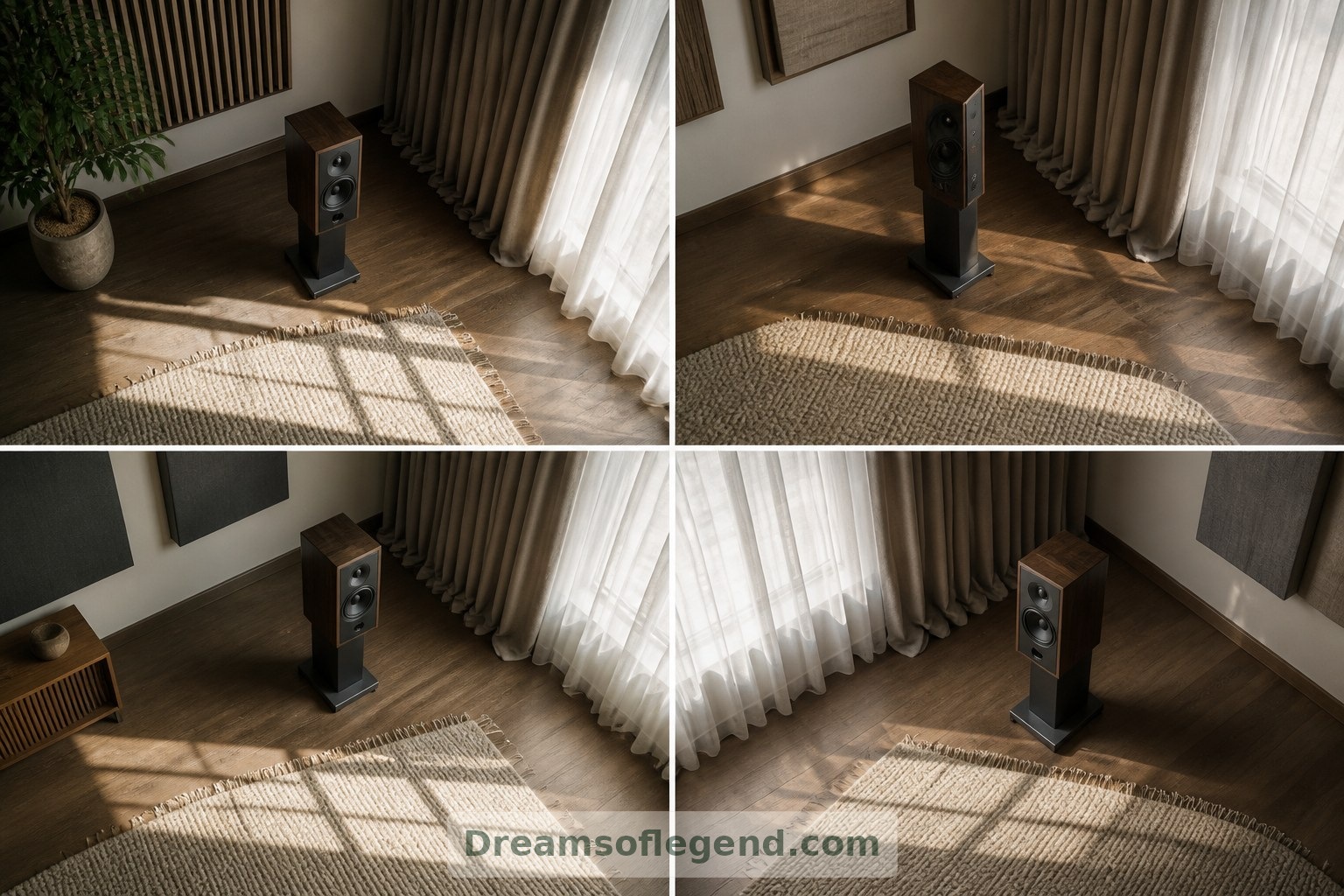
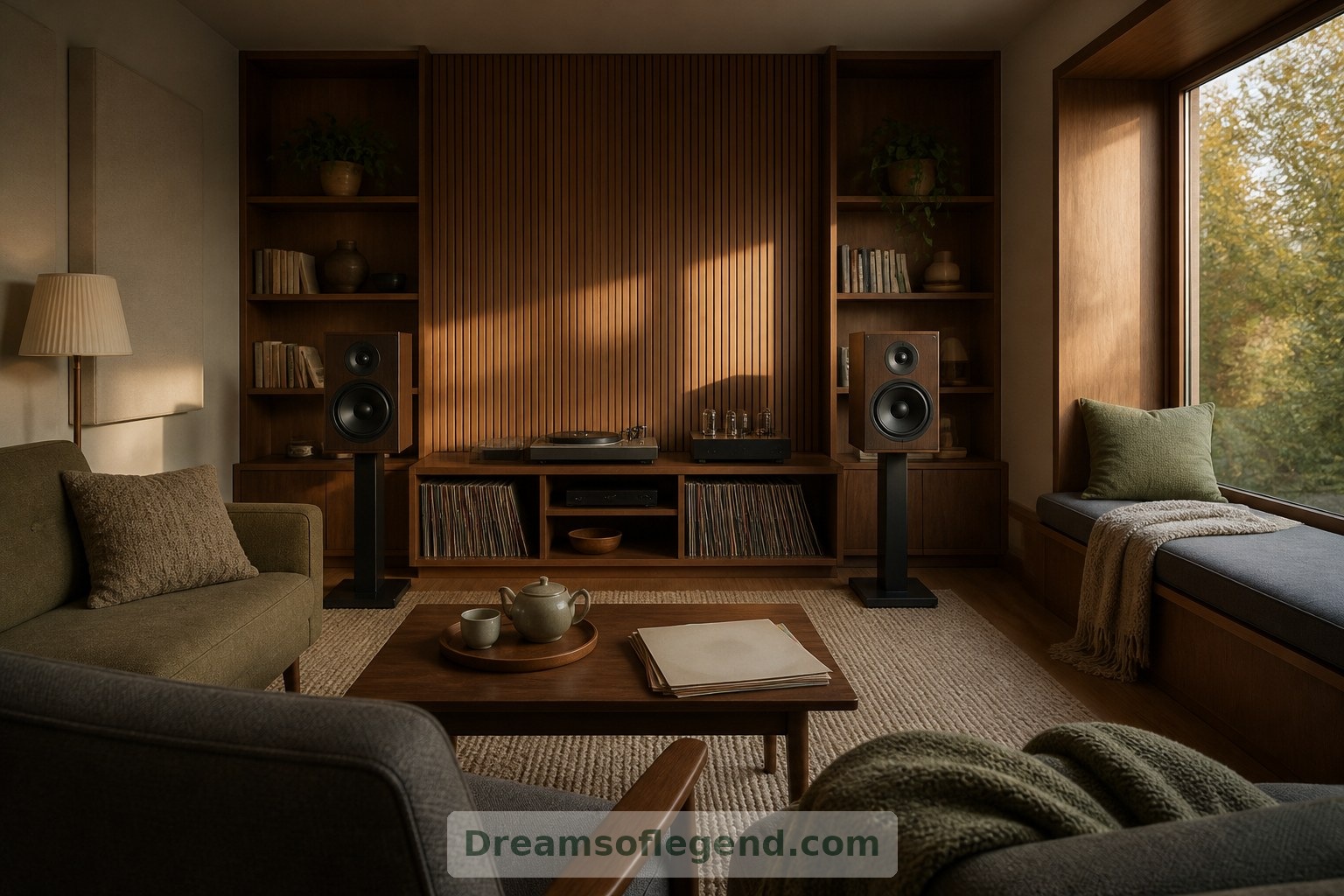
Bare glass, plaster and stone can make a room sound lively, sometimes excessively so. Introduce absorption through upholstered furniture, substantial curtains and purpose-designed acoustic panels. In this imagined scheme, fabric-covered panels sit within timber wall frames, looking more like tailored joinery than equipment. Their placement and specification would need to respond to the actual room; decorative timber slats alone are no guarantee of acoustic control.
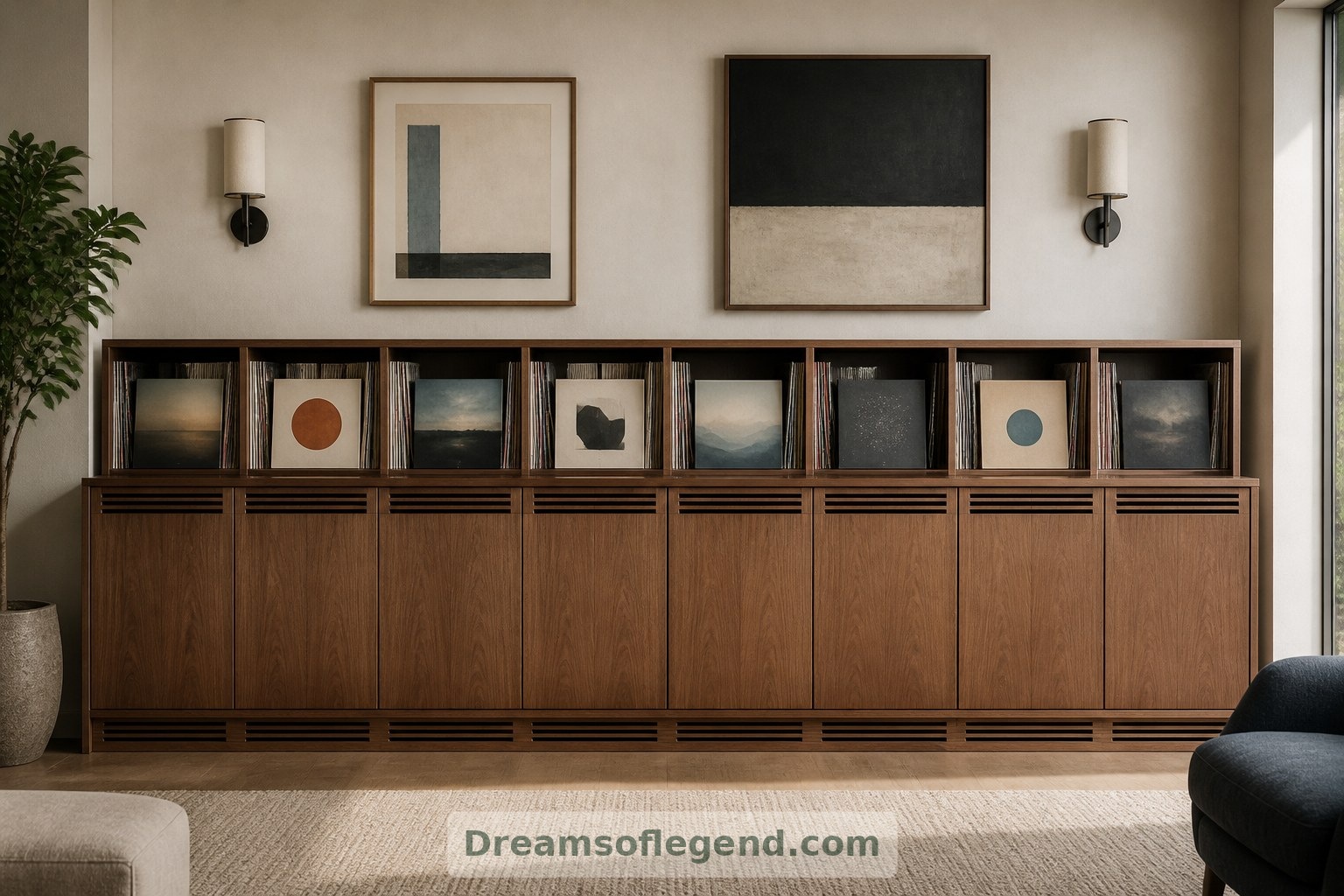
3. Give the Music Collection a Home
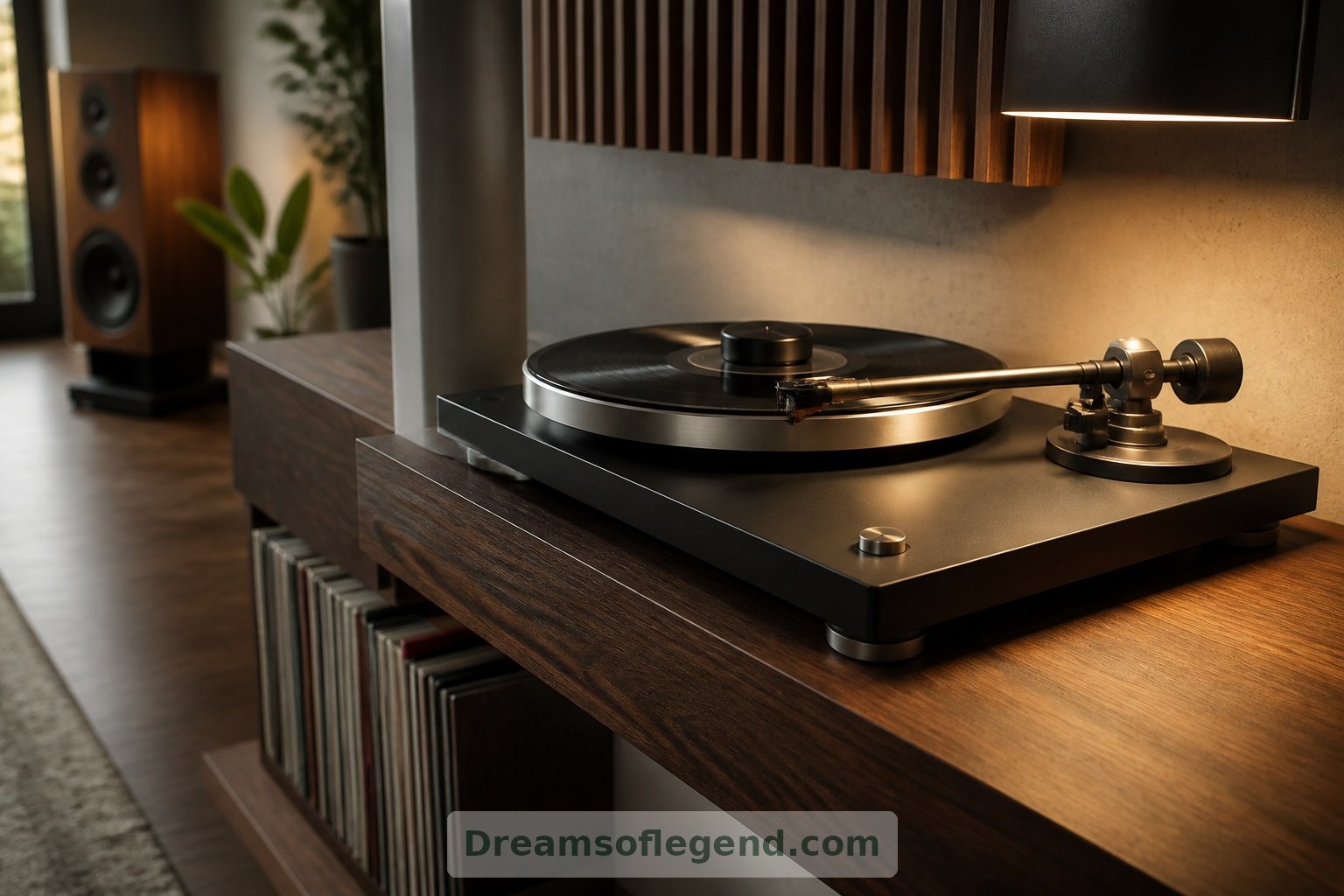
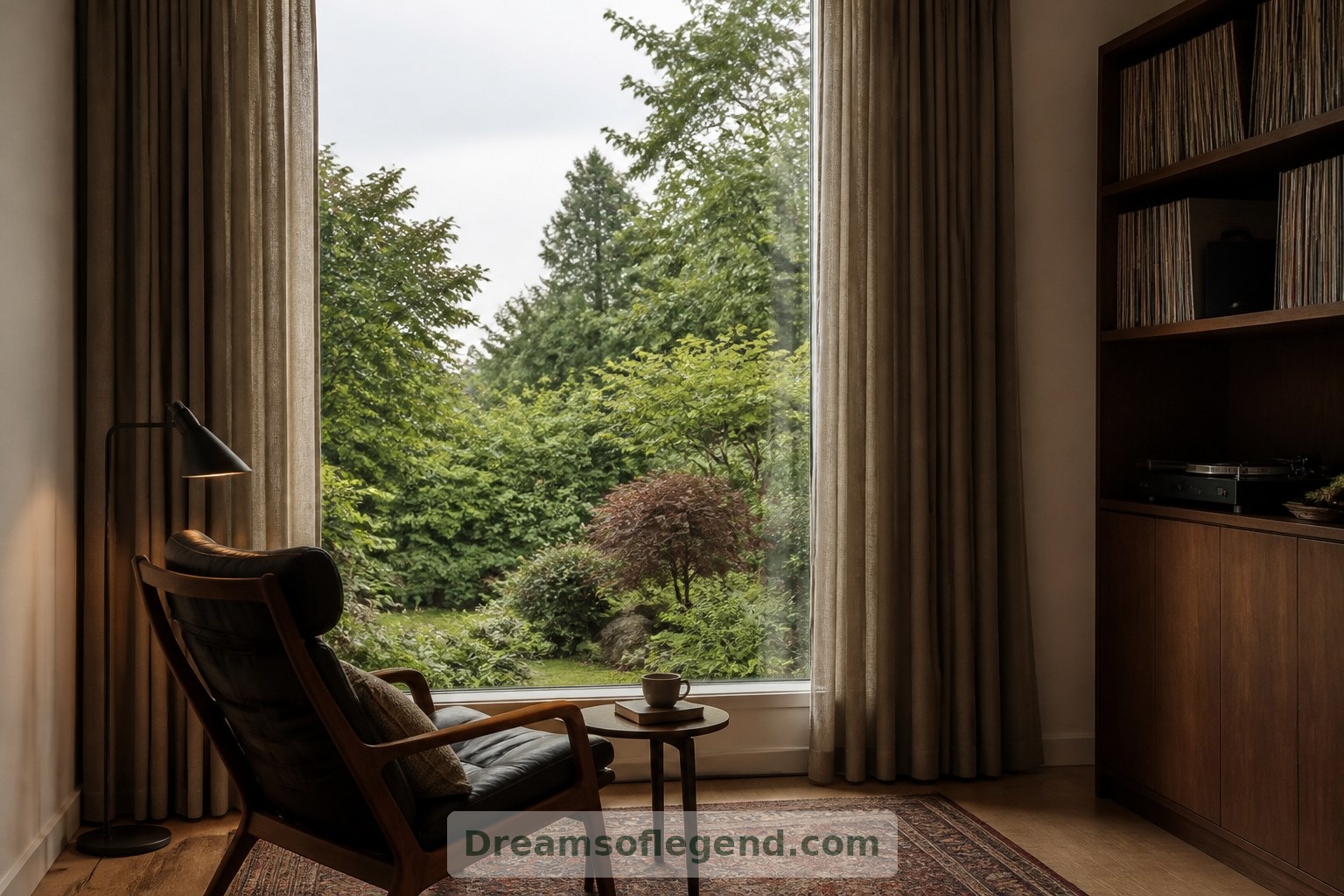
Record storage can provide the room’s most personal elevation. Picture low walnut cabinets with upright vinyl compartments, closed cupboards for accessories and a clear surface for the turntable. Keep equipment ventilation and cable access in mind. A stable turntable support, positioned away from speaker vibration where practical, helps the daily ritual feel considered rather than precarious.
4. Design for Daylight and Late-Night Albums
A listening room need not be a dark enclosure. A garden-facing window can connect quiet afternoons with changing weather, while adjustable curtains offer flexibility for glare and reflections. After sunset, shaded lamps and dimmable wall lights create gentle pools of illumination. Keep direct sun off records and sensitive equipment, and avoid bright reflections that make the room feel restless.
5. Make Quiet Part of the Brief
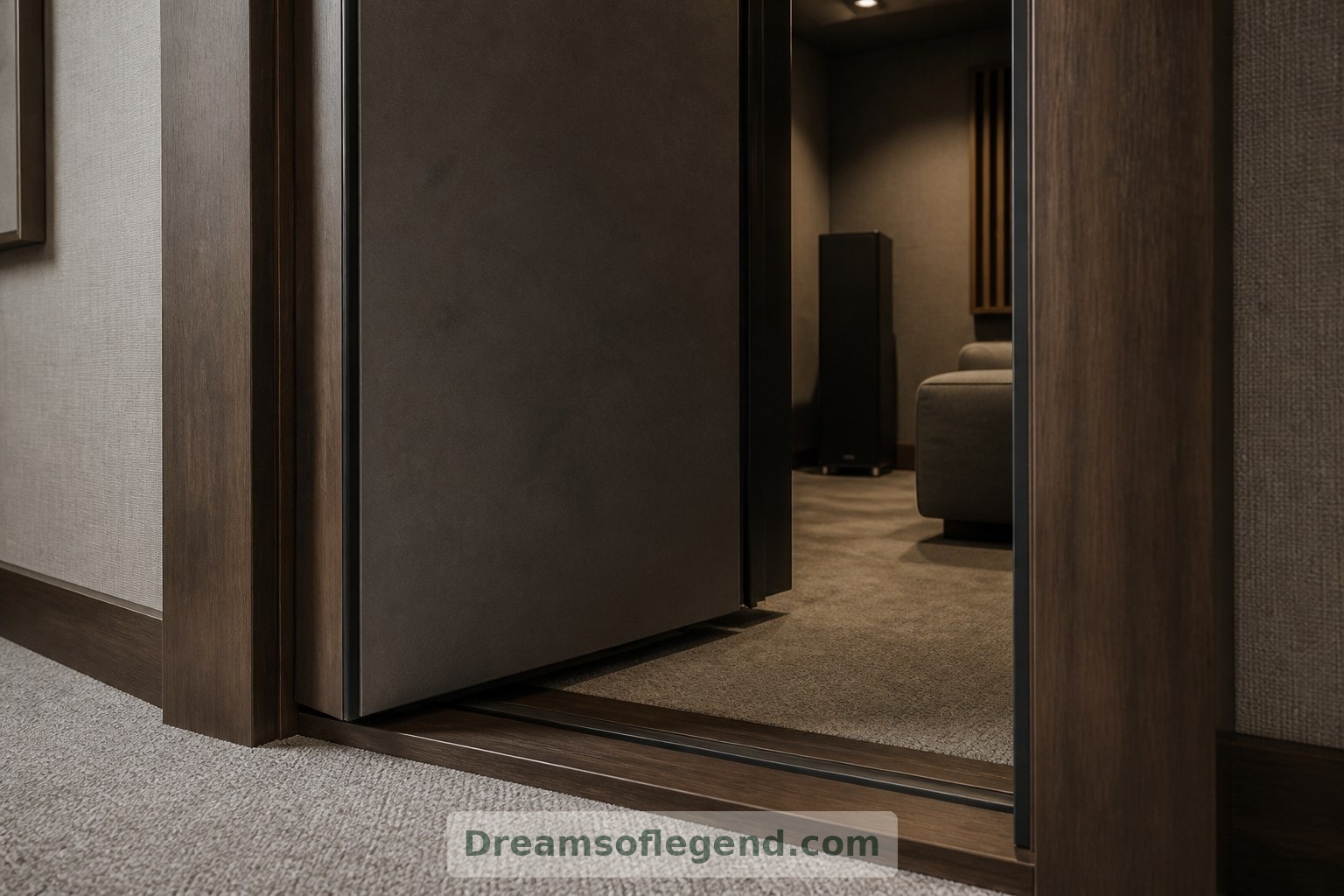
Beautiful sound also depends on what you do not hear. When planning a dedicated room, consider its relationship to bedrooms, busy corridors and household machinery. Sound isolation involves the whole construction, including doors, junctions and ventilation routes; soft furnishings cannot provide it alone. For a more ambitious project, involve an acoustic specialist early, before the finishes conceal decisions that are difficult to change.
6. Leave Space for Company
Not every album needs an audience of one. Add a small secondary sofa or a window bench for shared listening, accepting that different seats will hear a different balance. A compact table for tea and record sleeves keeps the atmosphere relaxed. The loveliest listening room remains a living room: personal, slightly imperfect and ready for another side.
A dream listening room balances careful planning with everyday pleasure. Begin with the music you love, give sound room to breathe, and choose materials you want to touch. The reward is not simply better playback, but a place where listening feels worth making time for.