Remarkable Bridge Buildings: Architecture That Spans Water and Valleys
From historic buildings above rivers to imagined homes suspended across ravines, bridge architecture turns a crossing into a place to linger. Explore the structures, rooms and small comforts that could make life above the landscape extraordinary.
Dreams of Legend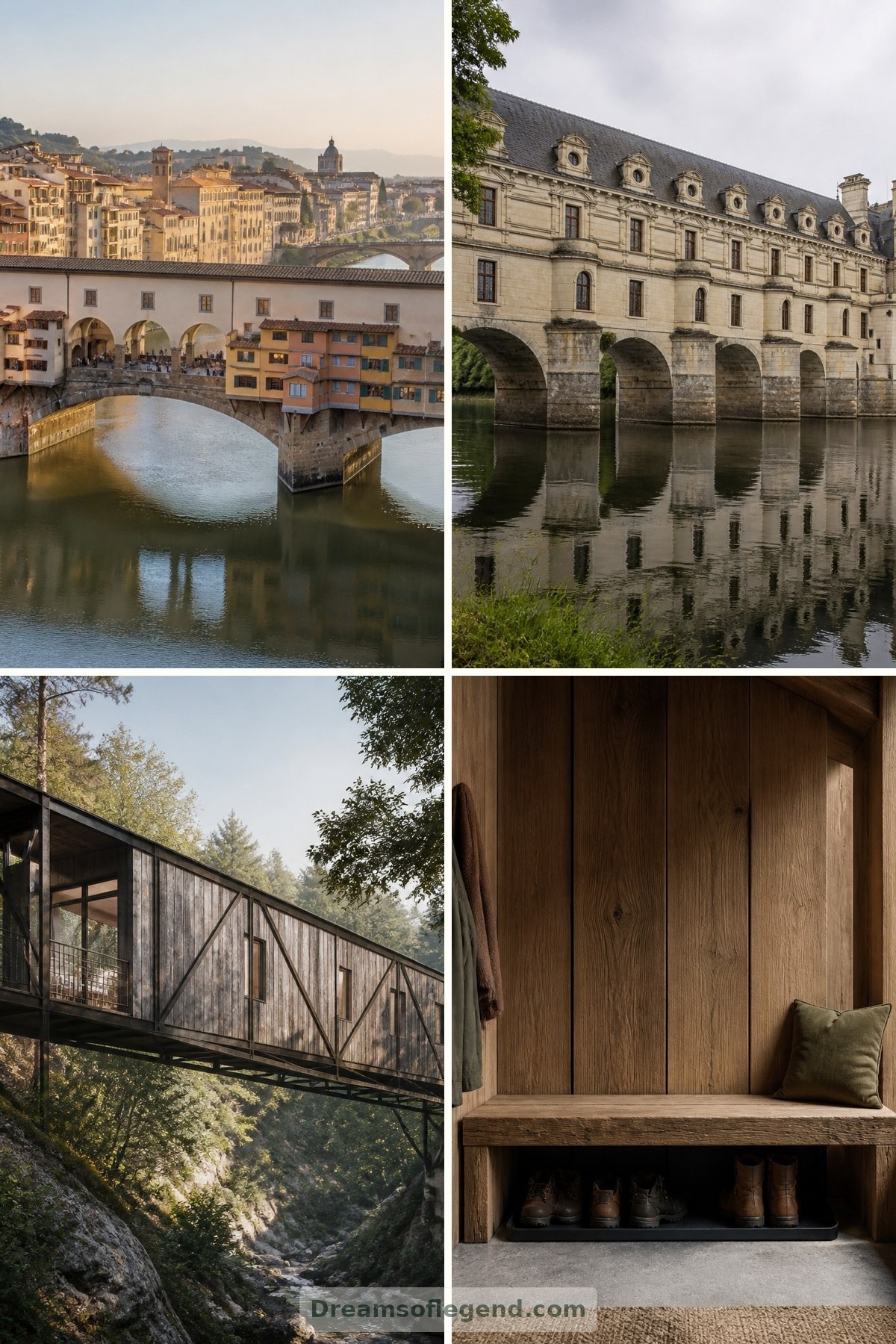
A bridge usually carries us somewhere else. A bridge building invites us to stay. With water moving below or a valley opening beneath the floor, these structures make everyday rituals feel extraordinary. Historic examples offer inspiration; the dream home explored here is explicitly an imagined design, not a real destination.
1. Real Places That Spark the Dream
Florence’s Ponte Vecchio demonstrates how a crossing can become an inhabited architectural setting: shops line its medieval stone span above the Arno. In France’s Loire Valley, the Château de Chenonceau extends across the River Cher, its celebrated gallery resting above a sequence of arches.
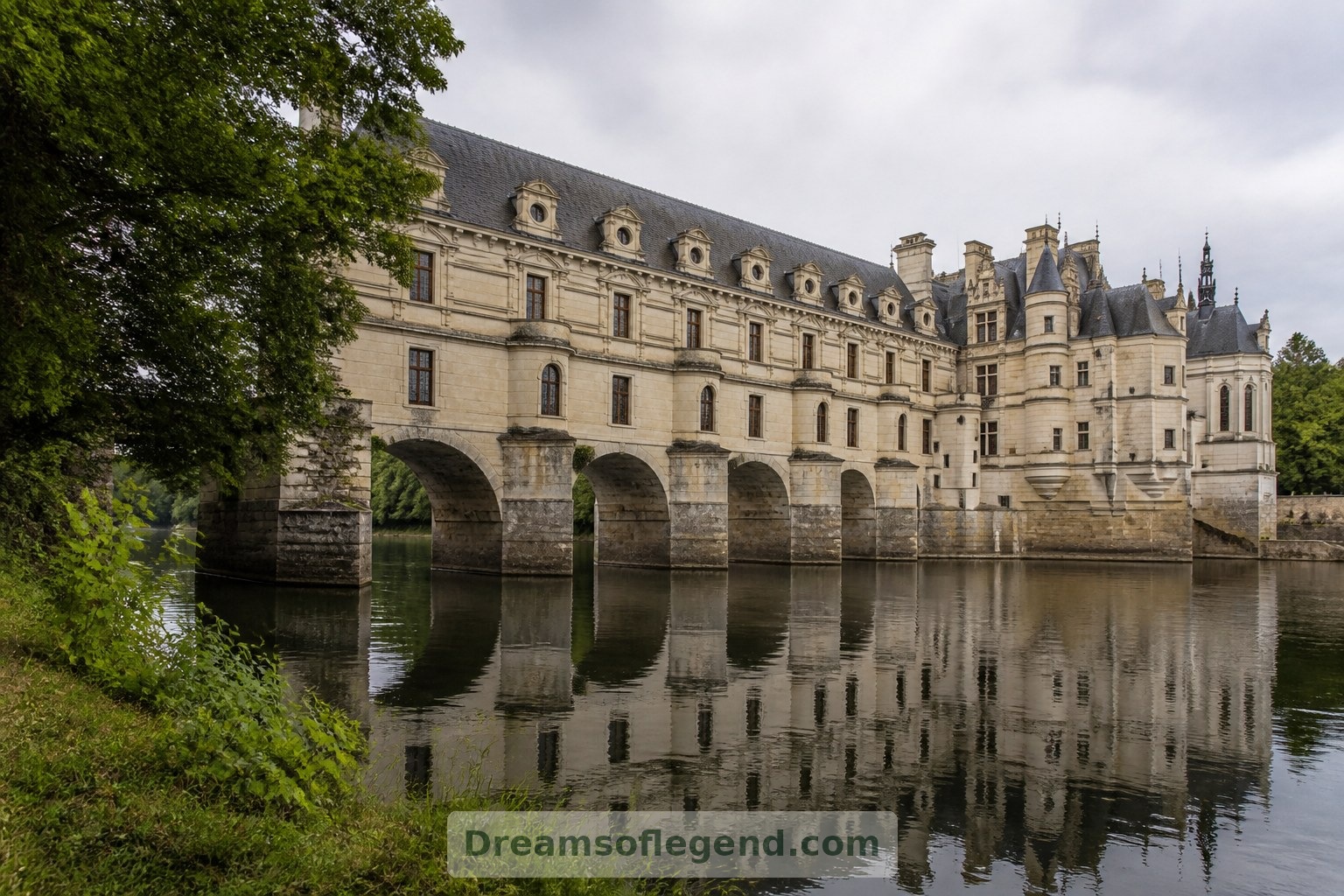
Neither is presented here as a bookable bridge home. Their appeal lies in the relationship between building and water: architecture becomes both a route across the landscape and a destination in itself.
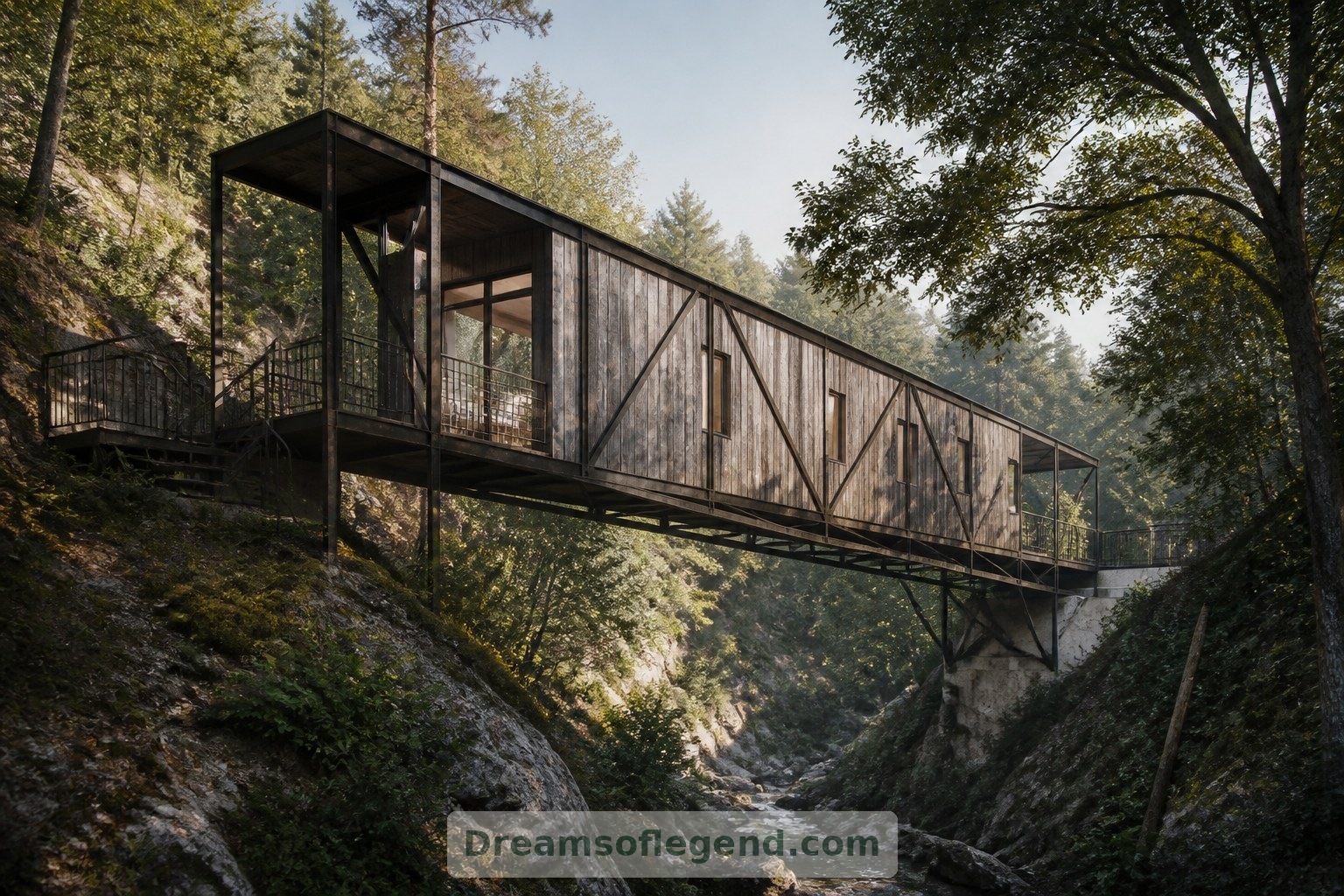
2. Imagining a Home Between Two Banks
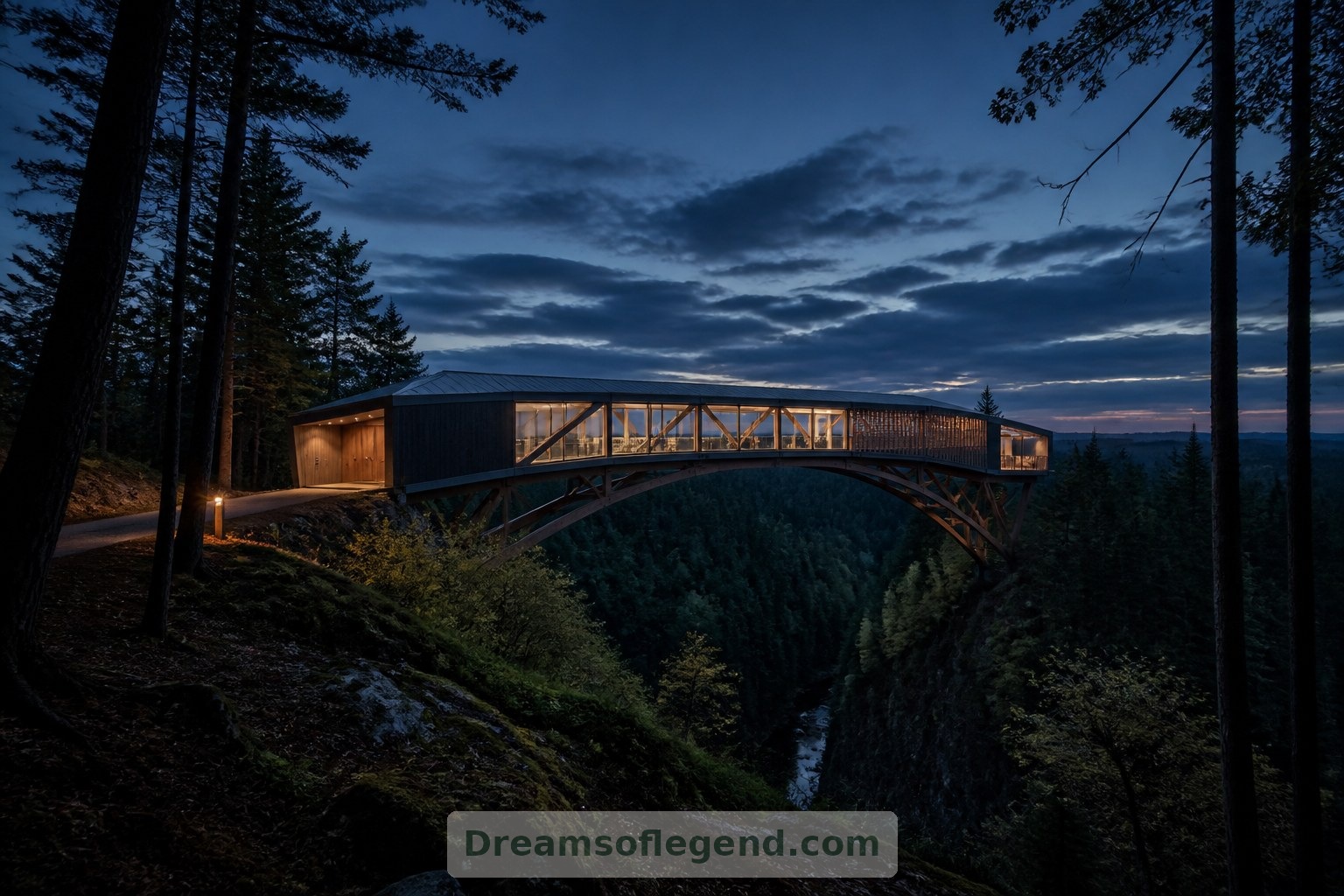
Picture a fictional house spanning a narrow, wooded ravine. Two landings connect it to firm ground, while the main rooms occupy a slender volume between them. Weathered timber softens the exterior; dark metal framing gives the crossing a crisp outline.
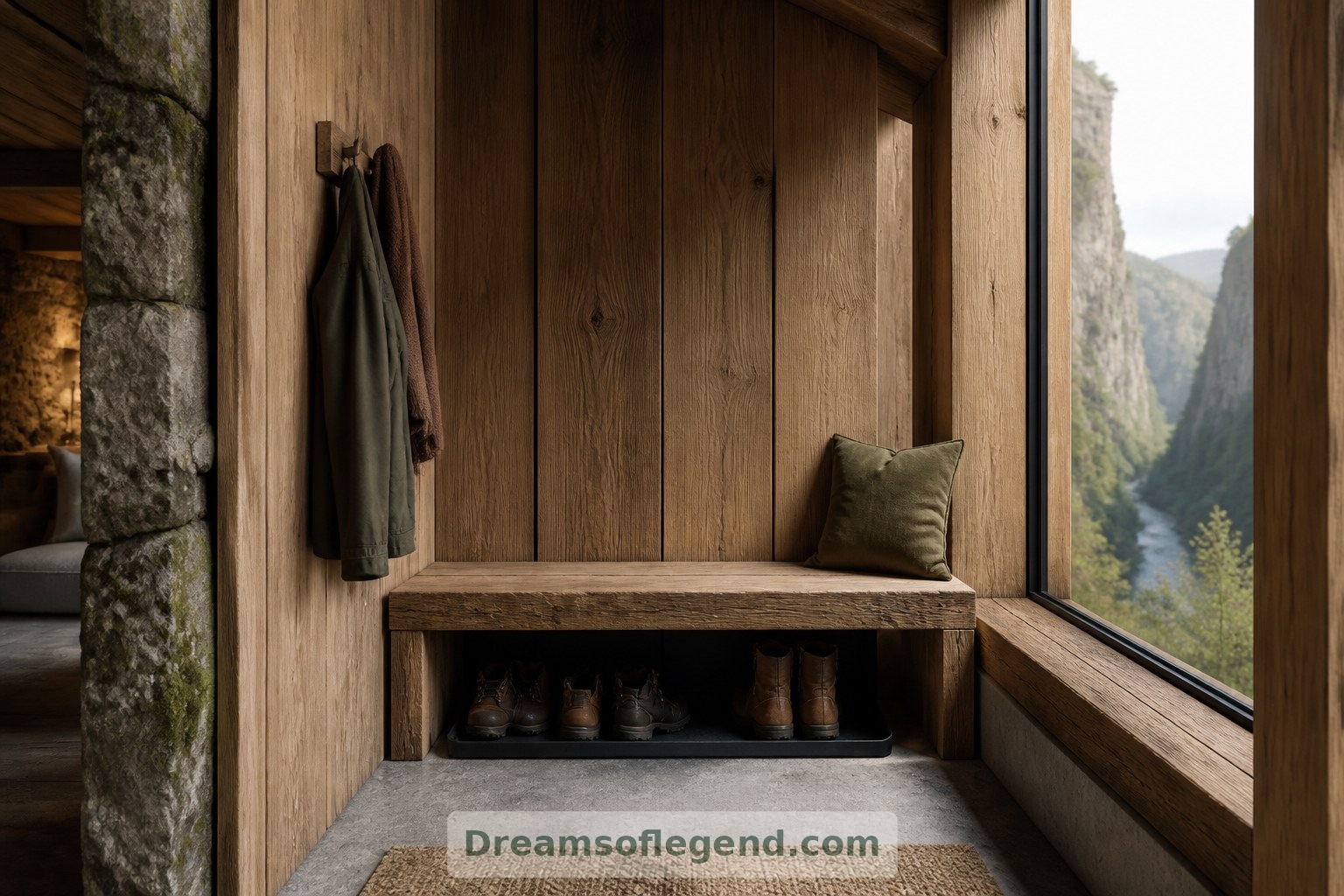
Arrival would feel reassuring rather than theatrical. A sheltered entrance, a generous bench and somewhere to leave muddy boots establish the simple comforts of home before the valley view appears.
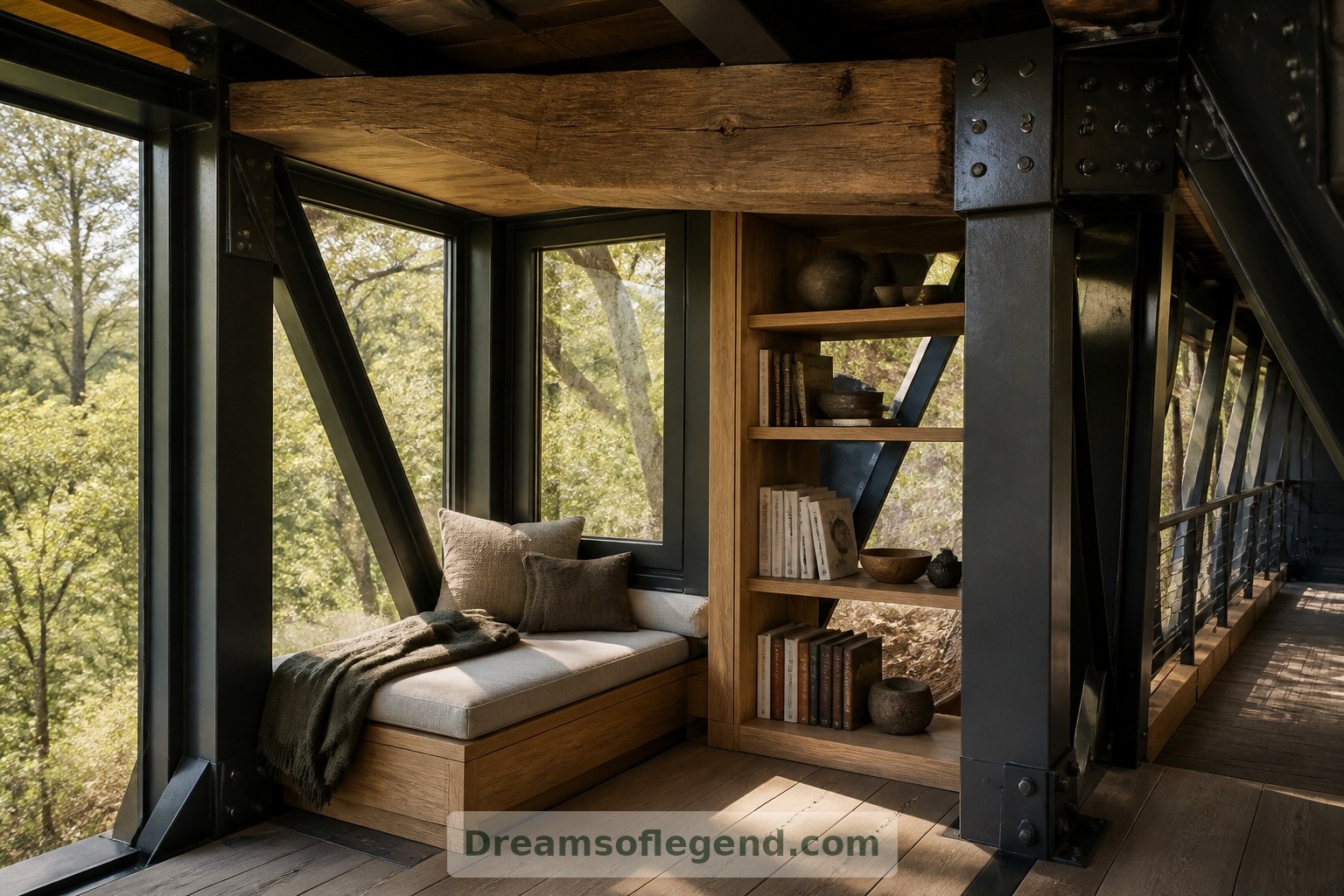
3. Let the Structure Shape the Rooms
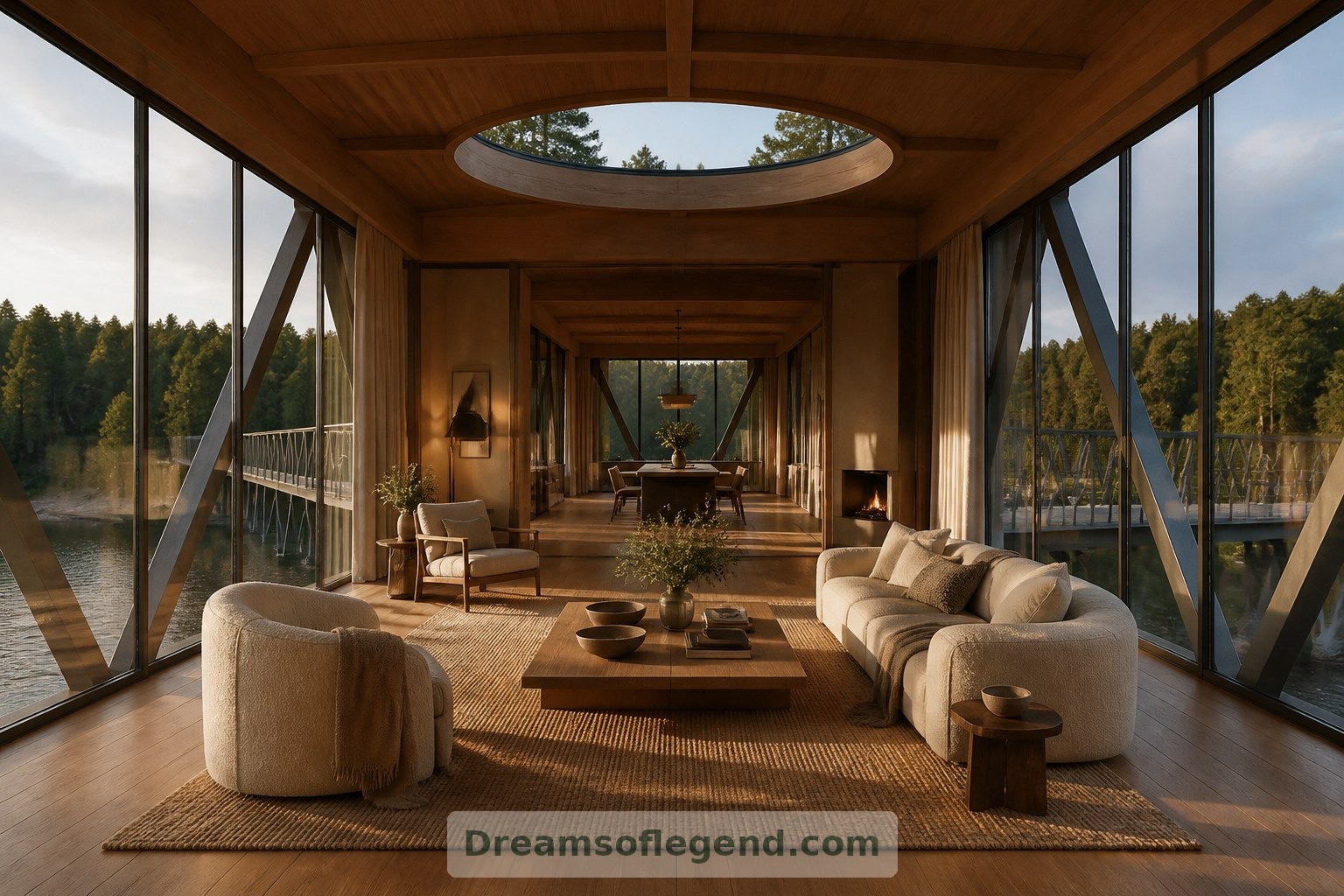
In this imagined design, exposed framing gives the interior a steady rhythm. Deep beams might define window seats, shelving bays and alcoves, making the structural idea part of daily life rather than hiding it behind finishes.
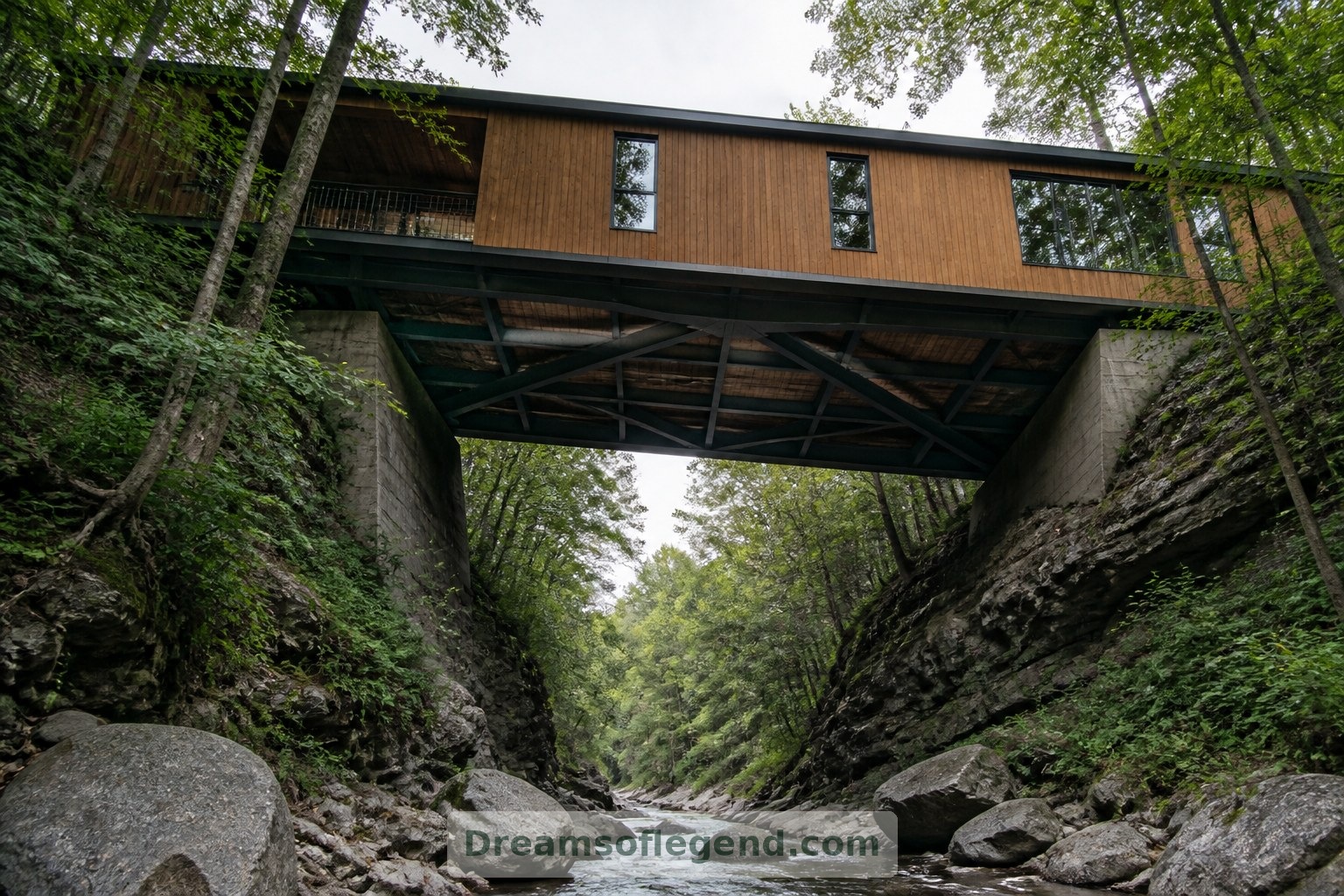
A real proposal would require site-specific engineering, ground investigations and careful consideration of flooding, wind, access and ecological effects. The dream begins with a beautiful span, but its feasibility depends on much more than its silhouette.
4. Everyday Life Above the Landscape
The living room occupies the middle of the imagined crossing, with opposing windows framing trees and moving water. An oak floor, wool upholstery and softly textured curtains balance the expansive outlook with familiar, tactile warmth.
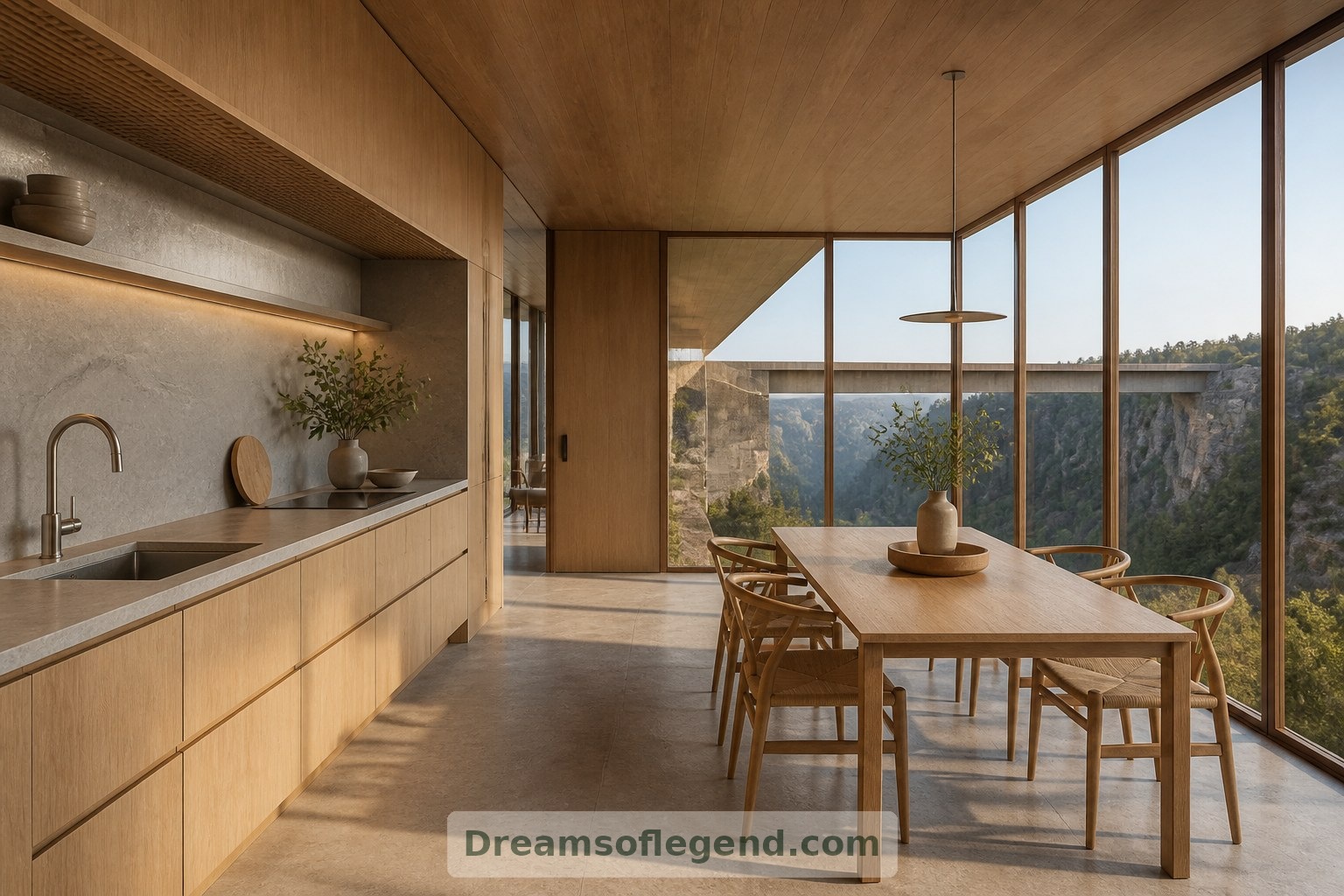
Nearby, a compact kitchen keeps the view unobstructed. Low cabinetry, a stone worktop and a dining table beside the glazing make breakfast the main event. Concealed storage prevents the long interior from feeling like a corridor.
5. Quiet Rooms, Carefully Protected
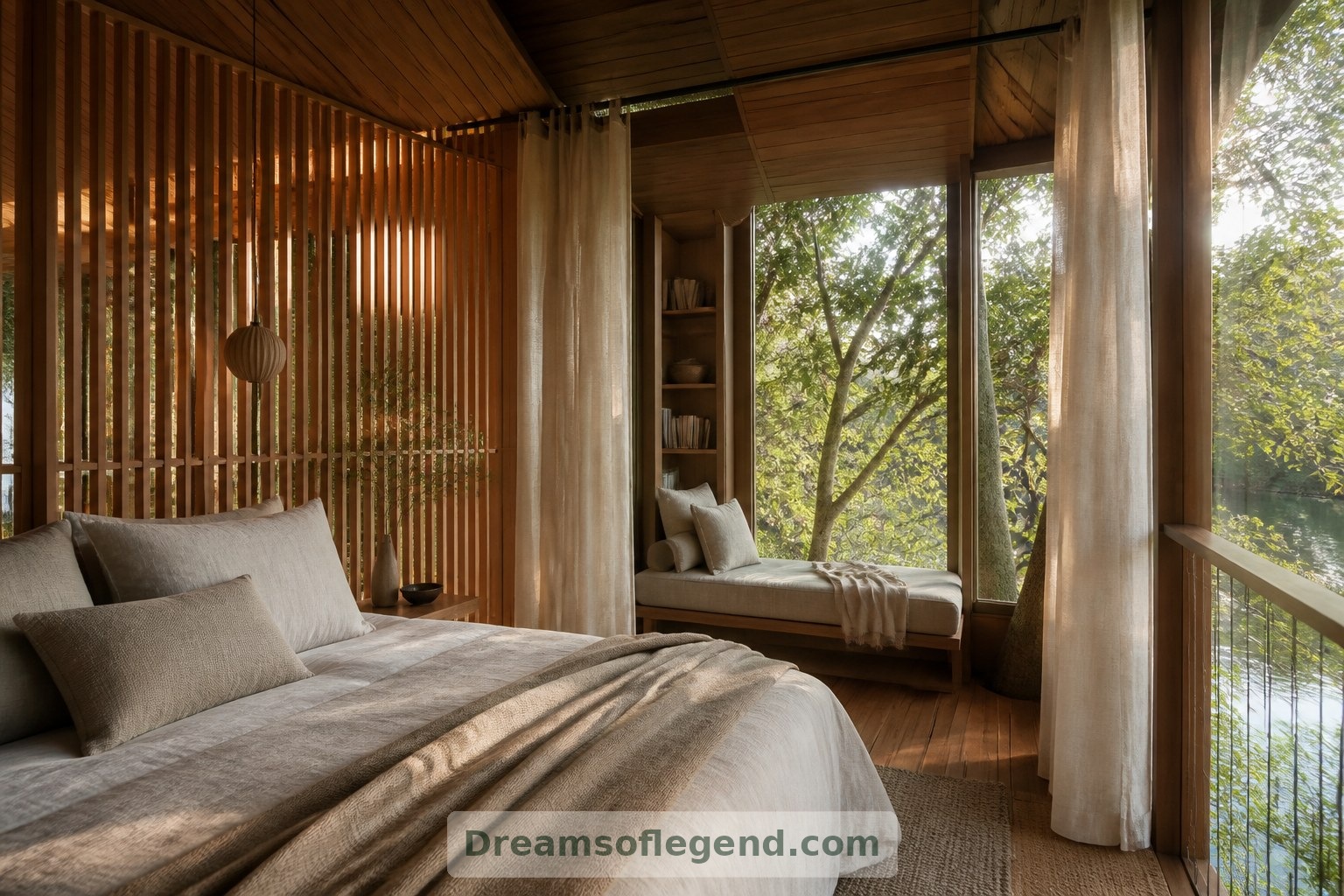
Bedrooms sit closer to the wooded banks, where the outlook could feel more sheltered. Timber screens and curtains offer privacy without turning every wall opaque. A reading recess creates a small refuge within the larger architectural gesture.
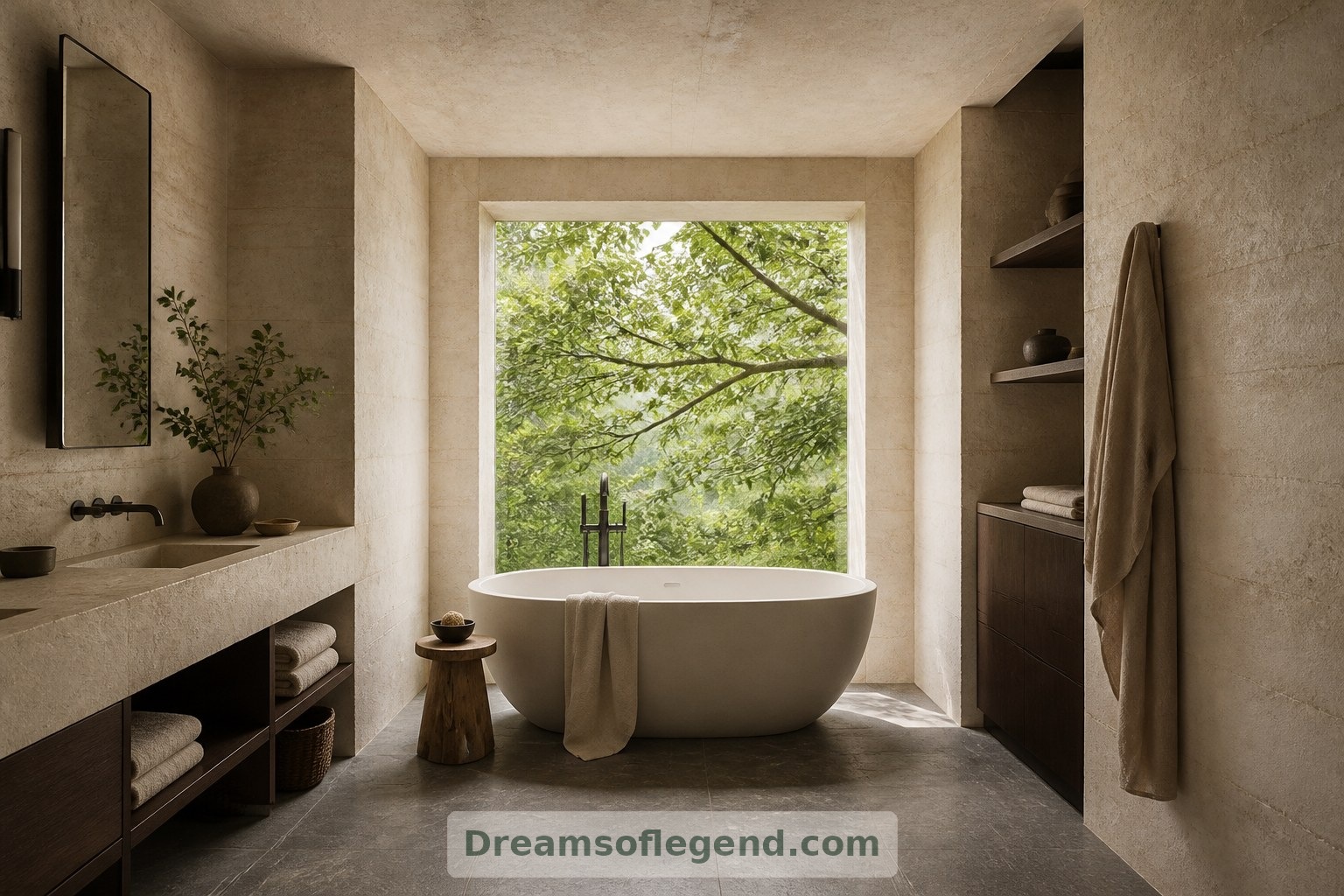
The imagined bathroom pairs a deep window reveal with pale mineral finishes. Rather than relying on an exposed glass floor for excitement, it offers the gentler pleasure of watching branches move from a comfortable, private room.
6. A Terrace That Belongs to the Setting
At one landing, a modest terrace offers outdoor seating without extending the building’s footprint farther into the ravine. Planting would need to suit local conditions, while drainage and maintenance access deserve attention from the beginning.
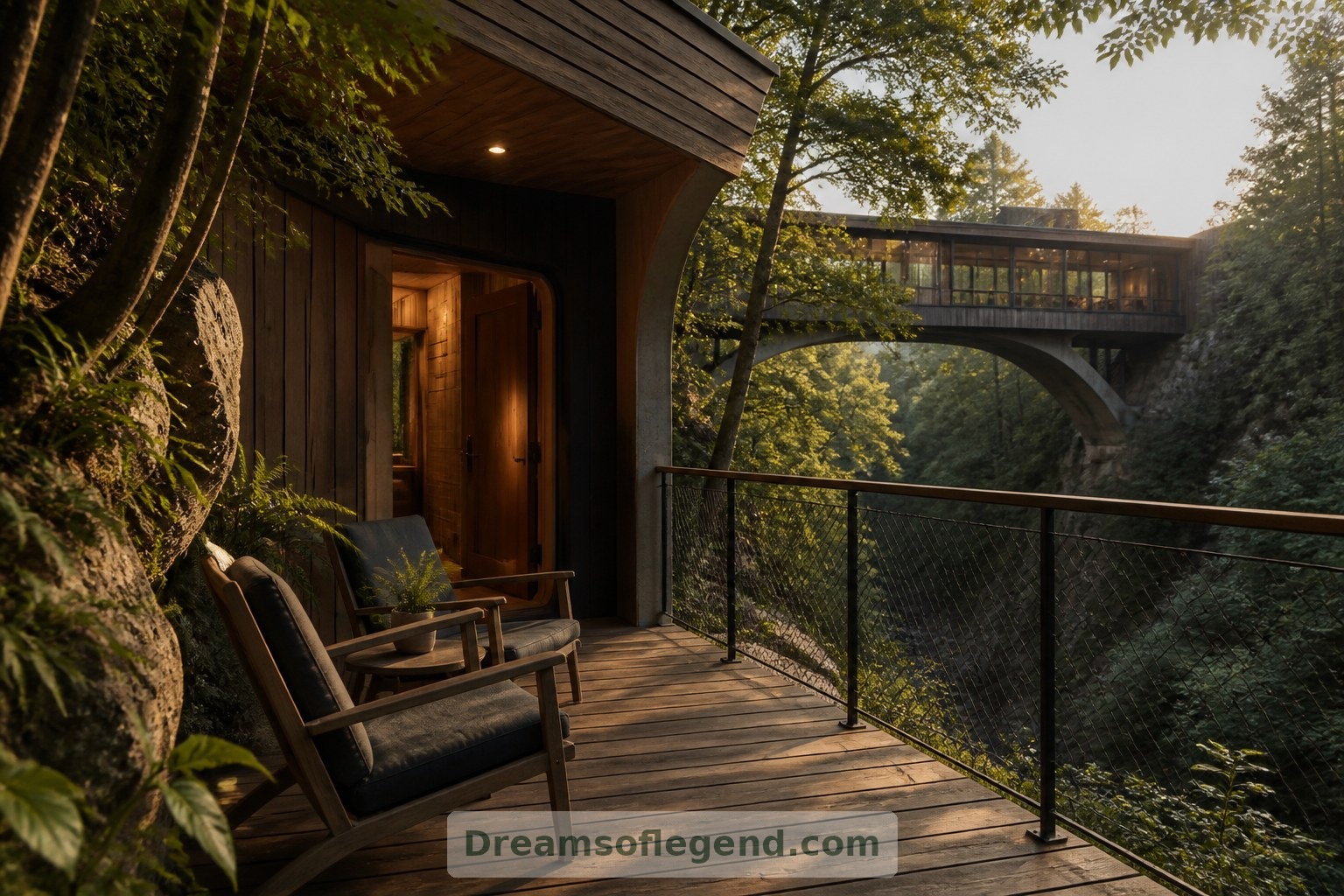
After dusk, restrained lighting could reveal the entrance and interior without turning the whole valley into a stage. The most inviting bridge home would feel connected to its surroundings, not triumphant over them.
Bridge buildings capture a lovely possibility: that a crossing can also be a place of belonging. Historic examples make that idea tangible. Imagined homes carry it into domestic life, where thoughtful structure, privacy and everyday comfort matter just as much as the remarkable view.