Woodland Glass Houses: Dream Homes Framed by Trees and Changing Seasons
Imagine a woodland home where glass walls frame drifting snow, summer shade and autumn gold. This fictional design explores the pleasures—and practical choices—behind living close to the trees.
AI-generated concept imagery. These illustrations are not documentary photographs or proof that a place exists.
Dreams of Legend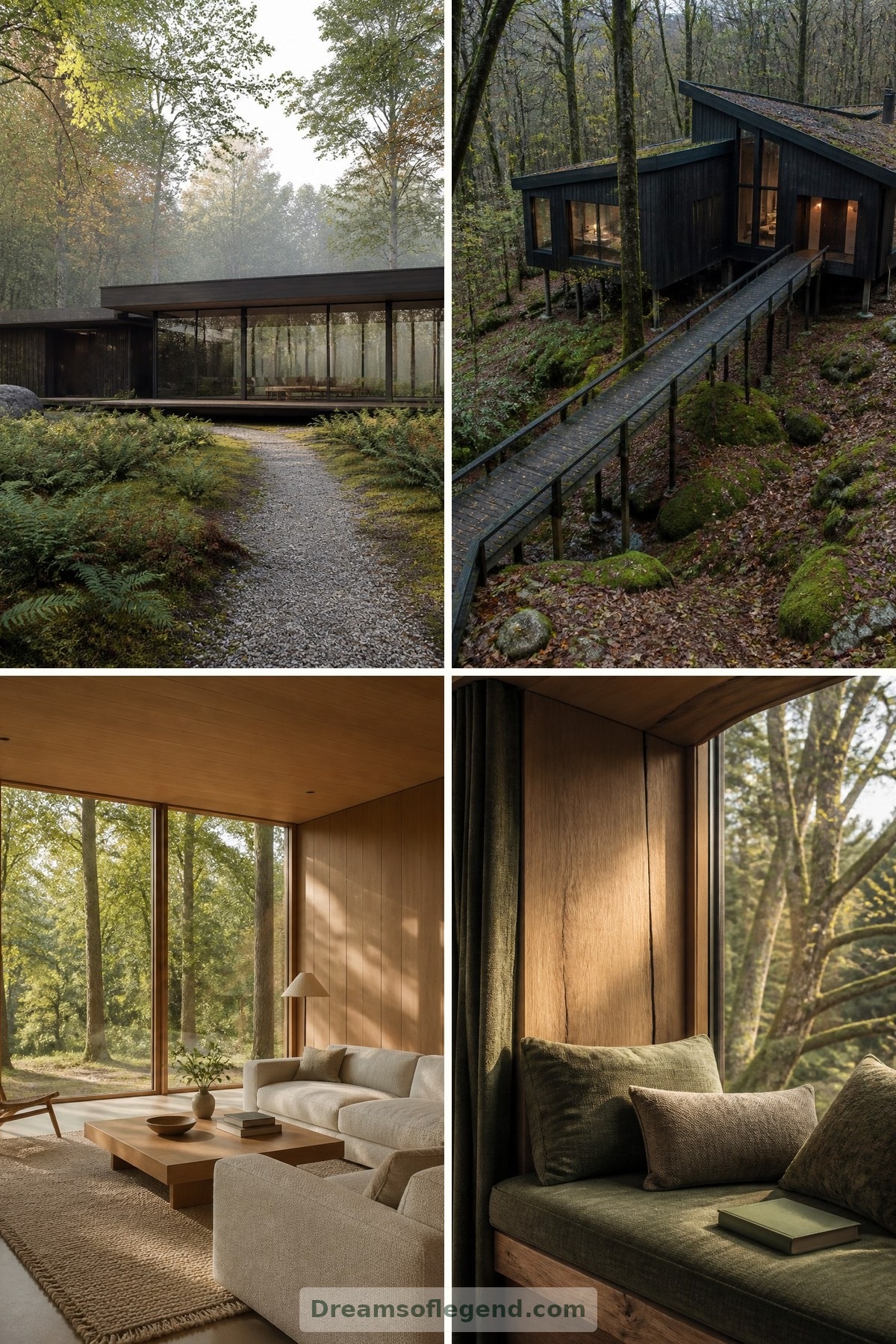
A woodland glass house promises something quietly wonderful: ordinary days shaped by extraordinary views. Breakfast arrives with moving leaf shadows; an evening chair faces branches rather than a screen. The home imagined here is a fictional design concept, not a real property or destination. Its appeal lies in balancing transparency with shelter, making the forest feel close without forgetting the comforts of home.
1. Finding a Place Among the Trees
Picture a low, slender house tucked into a clearing, its dark timber cladding receding behind pale trunks. Instead of clearing a broad lawn, the concept keeps a woodland floor of ferns, fallen leaves and moss. A narrow approach makes arrival feel gradual.
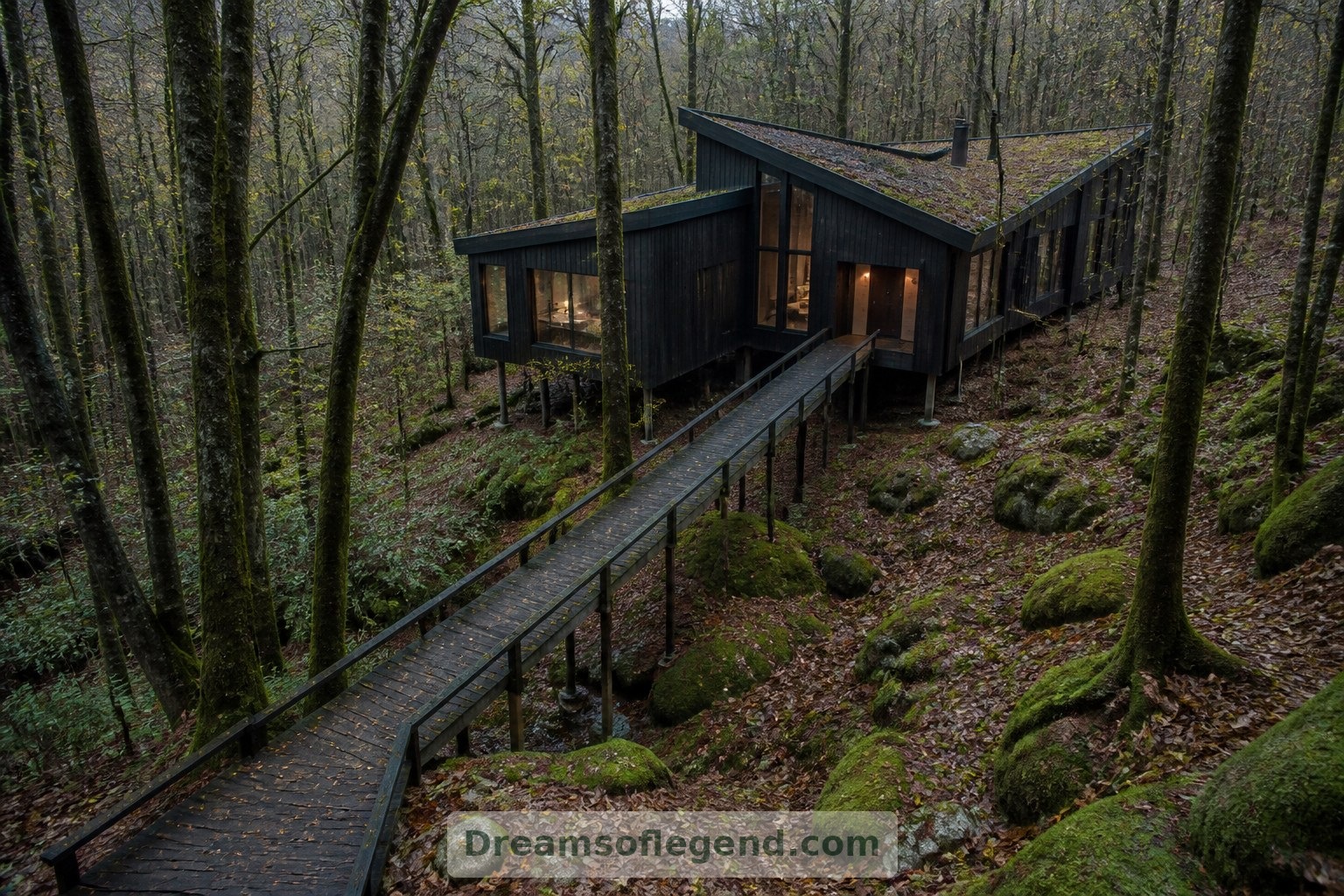
The building’s position would need careful assessment of roots, drainage and tree health. An elevated walkway could cross uneven ground, but its supports would require thoughtful placement rather than an assumption that raising a house leaves no trace.
2. A Living Room with a Quiet Center
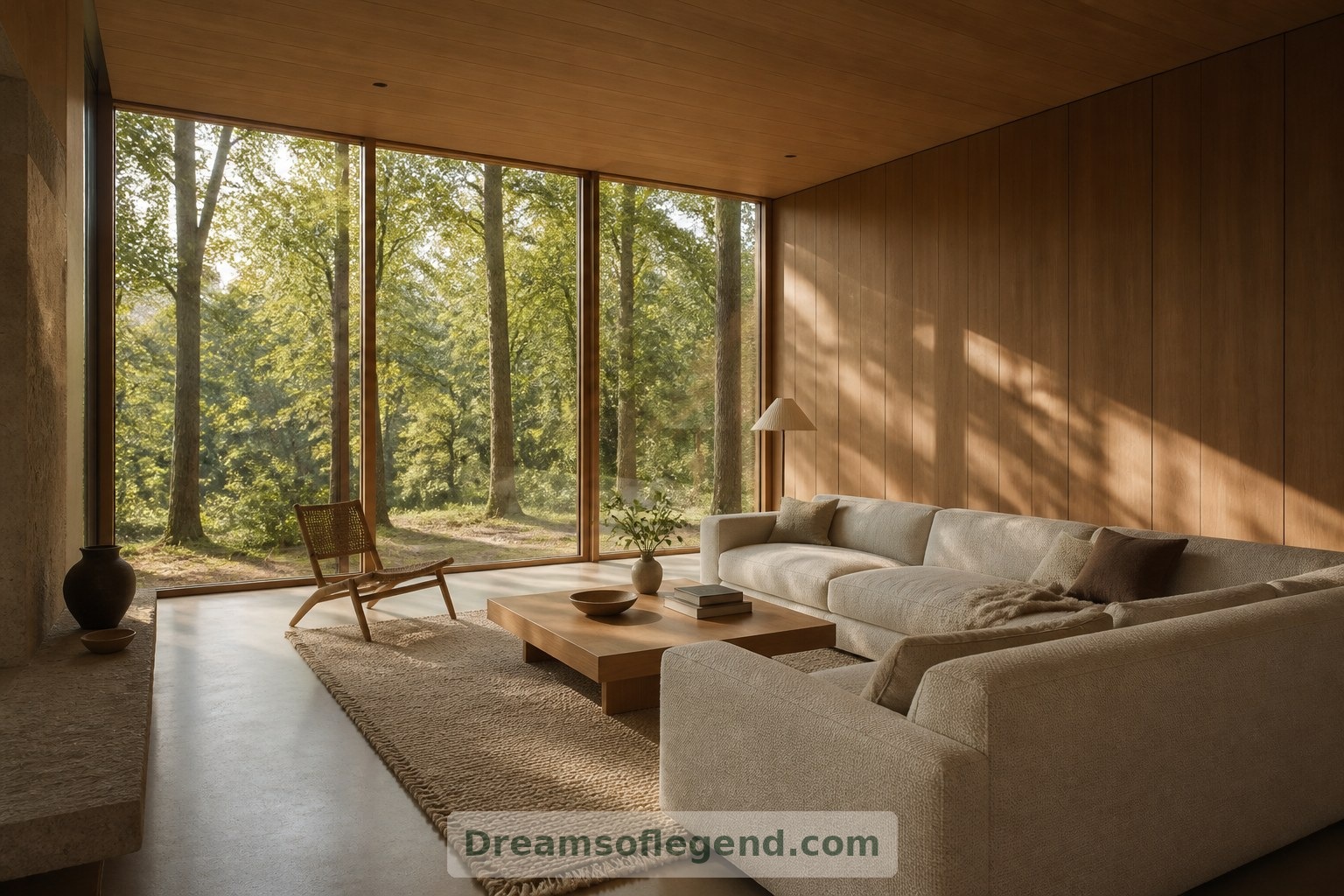
Inside, full-height glazing frames the trees, while an opaque wall gives the room somewhere to rest. A wool-covered sofa, low oak table and textured rug soften the geometry. The view remains generous without making every surface reflective.
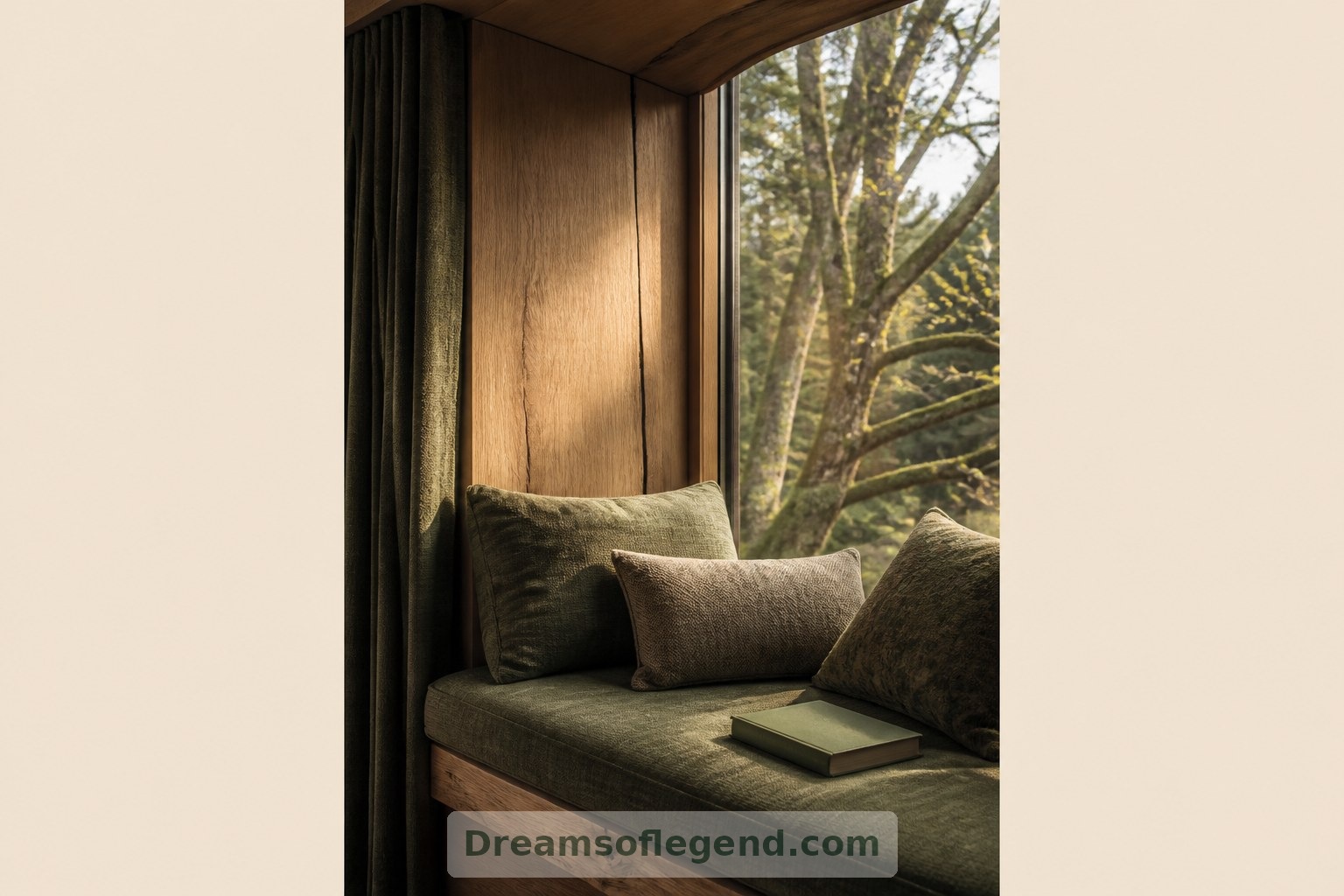
Beside the window, a deep reading seat offers a more intimate relationship with the landscape. A solid back panel and curtain pocket turn this small corner into a retreat, especially after dark, when glass can feel less like a view and more like a mirror.
3. Everyday Rituals in Timber and Stone
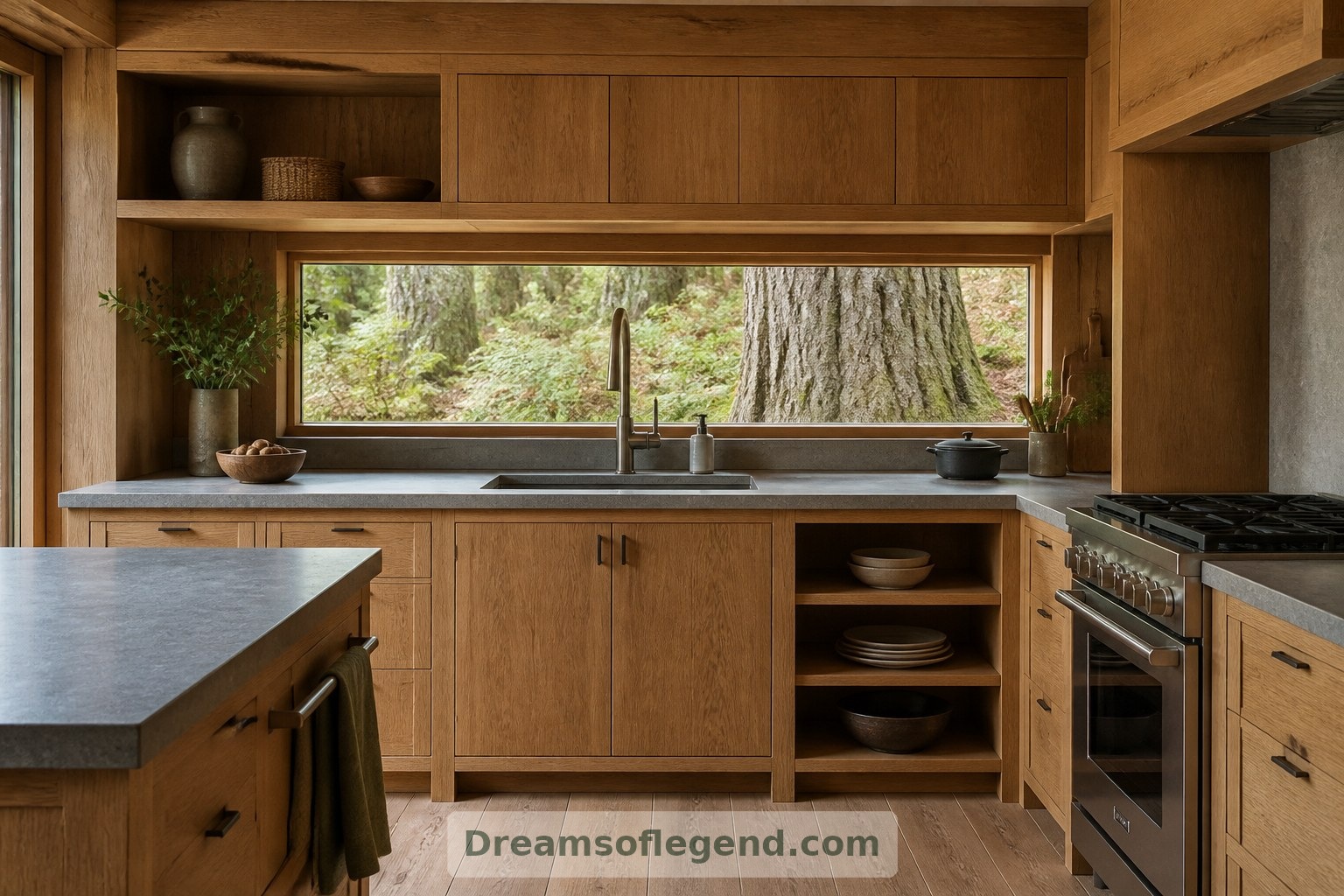
The kitchen brings warmth through oak cabinetry and a honed stone worktop. Rather than wrapping every side in glass, a horizontal window above the sink catches glimpses of bark and undergrowth while leaving room for practical storage.
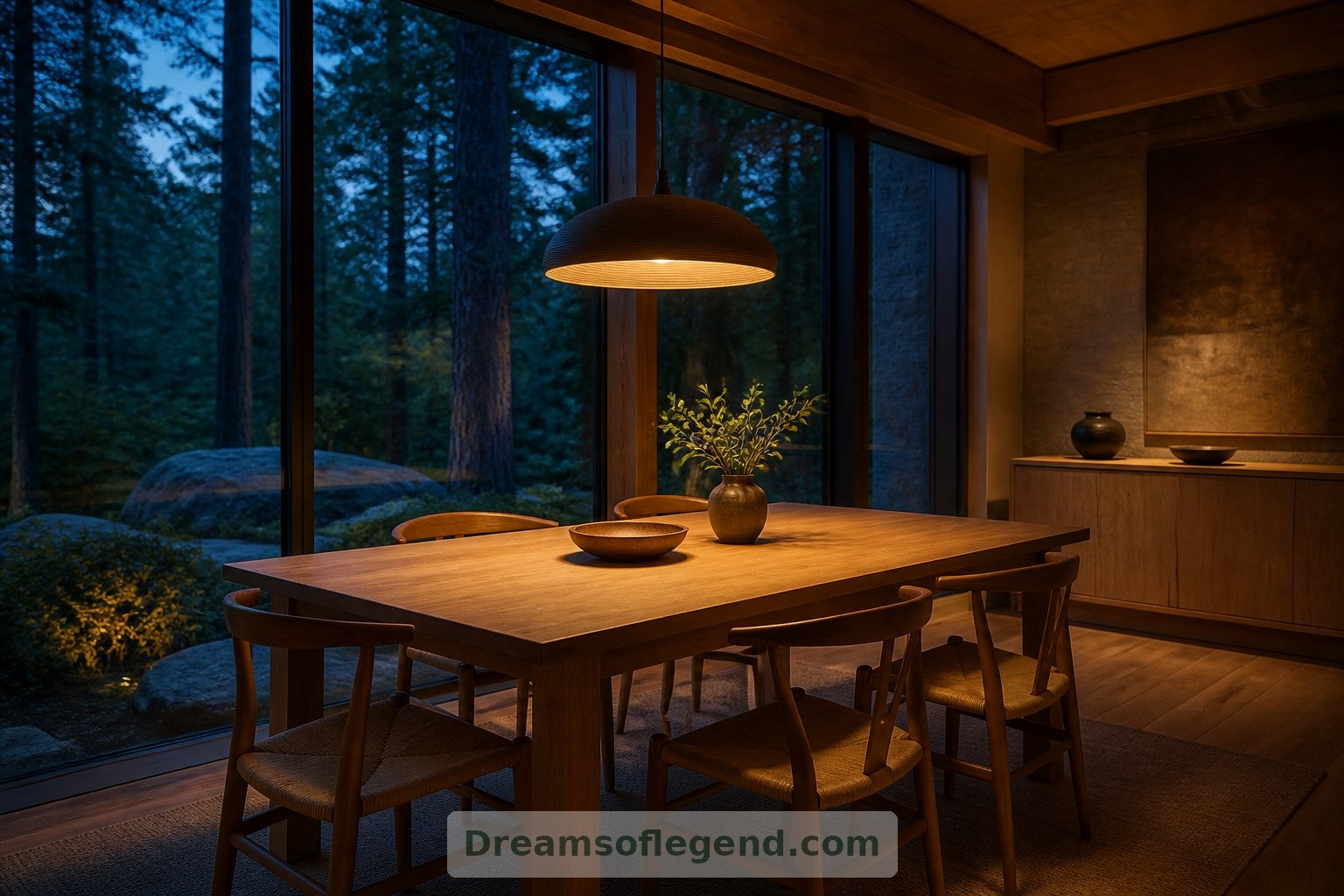
Nearby, a simple dining table sits perpendicular to the glazing. Everyone gets a different slice of woodland, and a low pendant keeps evening meals comfortably focused on the table.
4. Private Rooms, Softer Edges
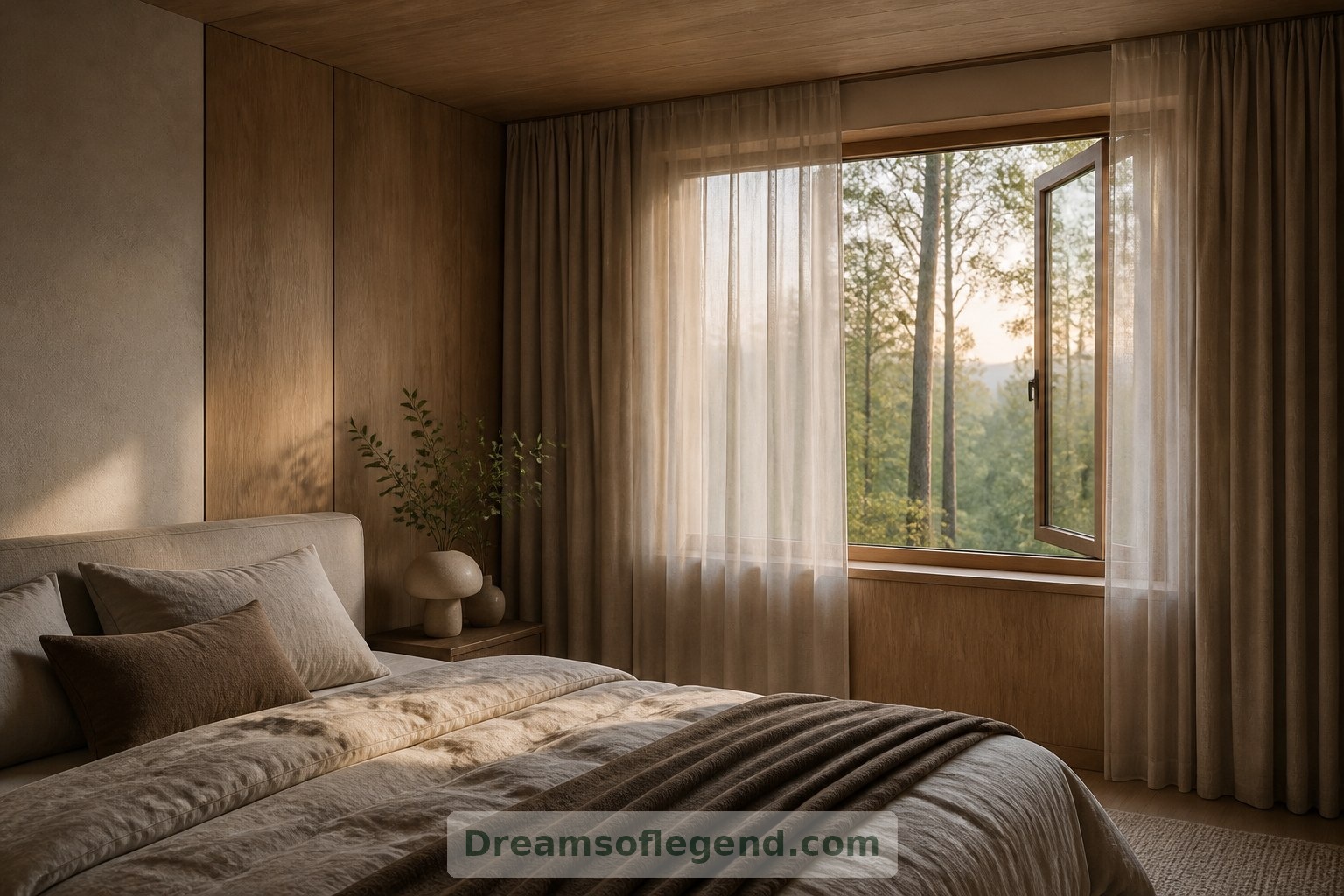
A bedroom needs more than a spectacular outlook. Here, timber-lined side walls, layered curtains and a low upholstered headboard create enclosure. An operable window could invite woodland sounds when weather and outdoor conditions allow.
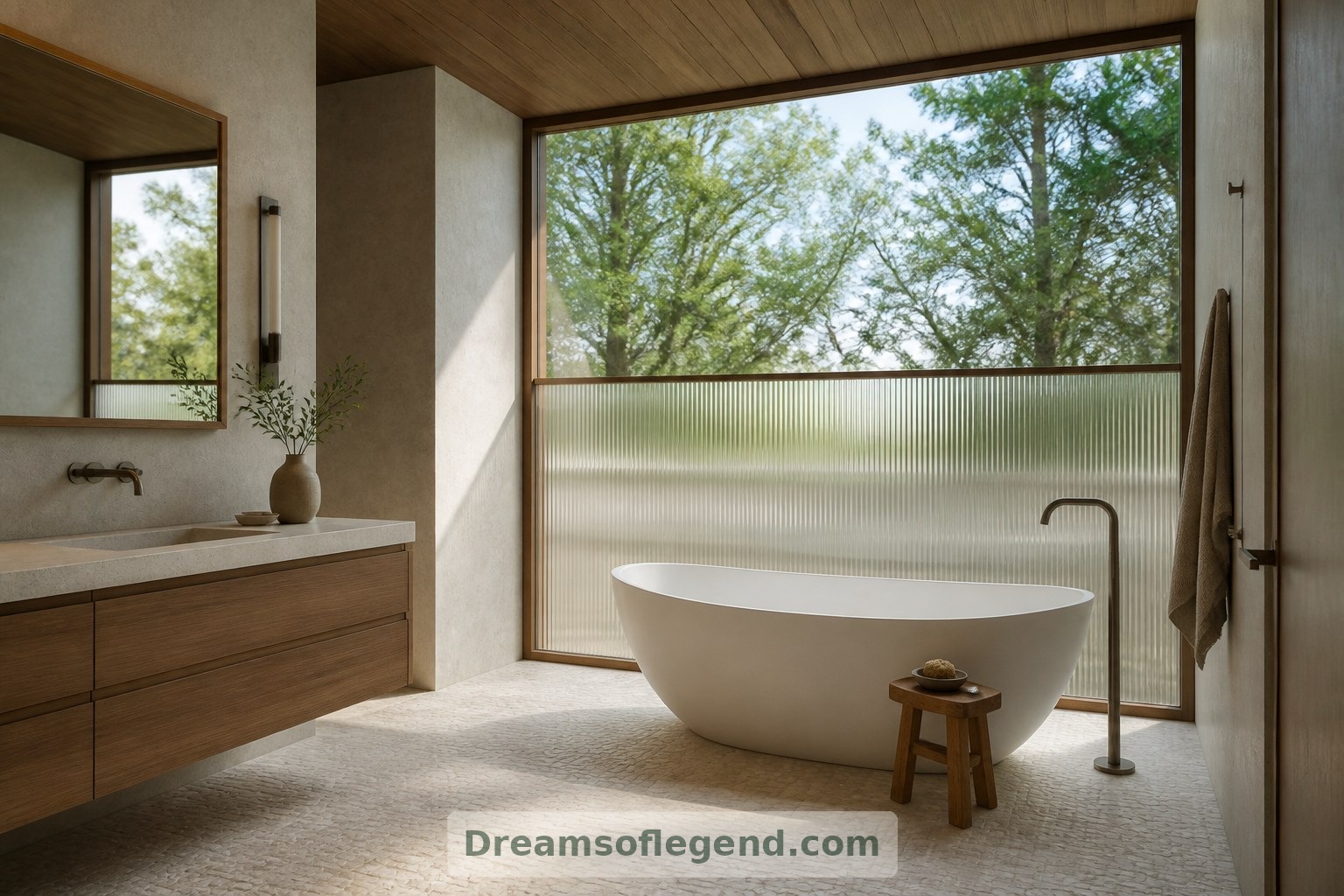
The bathroom takes a more sheltered approach: translucent glazing below eye level, a clear upper pane and pale, slip-resistant flooring. Daylight becomes the luxury, without depending on exposed views from the bath.
5. Letting the Seasons Change the Mood
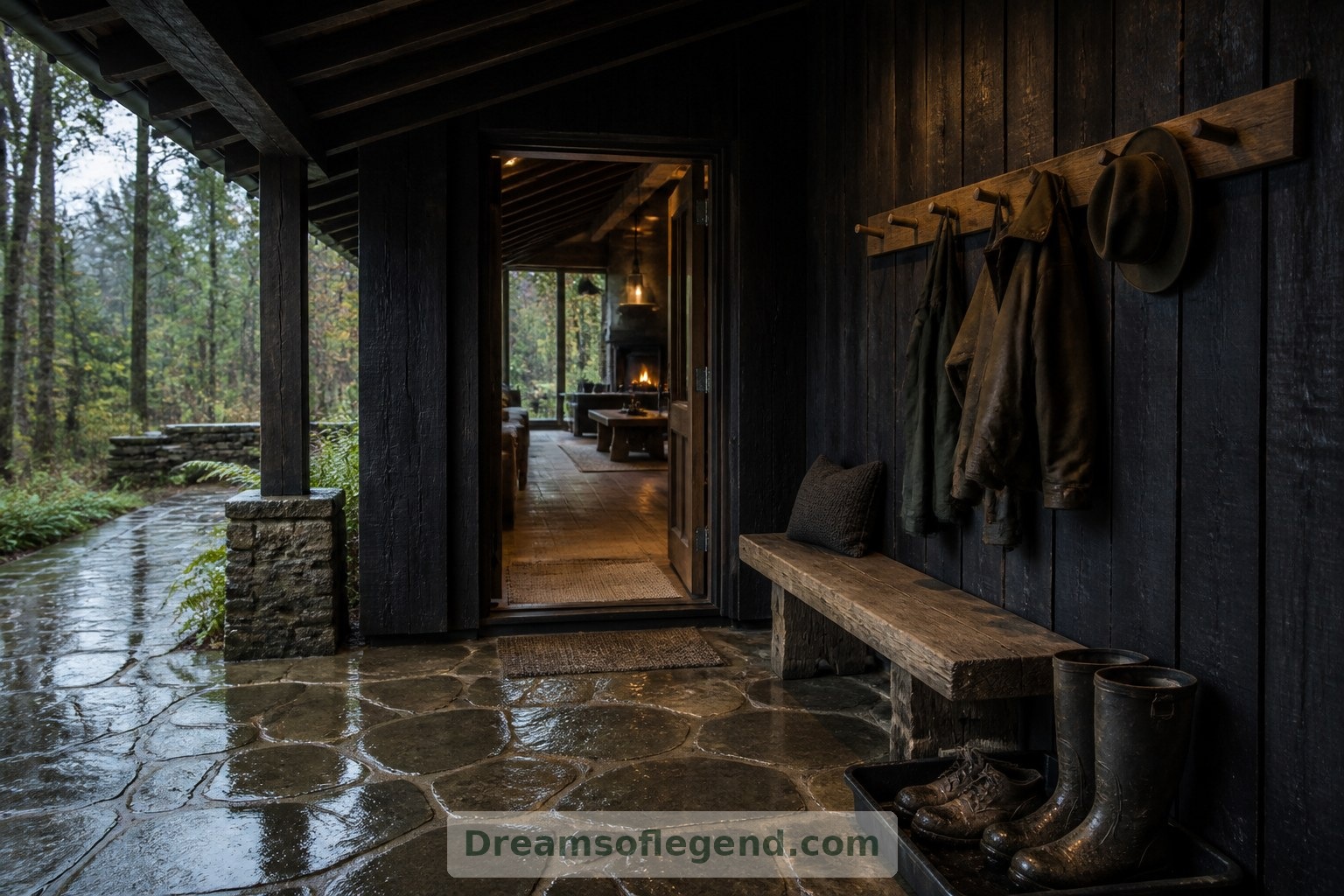
A covered threshold makes room for muddy boots, wet coats and a pause before entering. Beyond it, a modest terrace holds two chairs rather than an elaborate outdoor lounge.
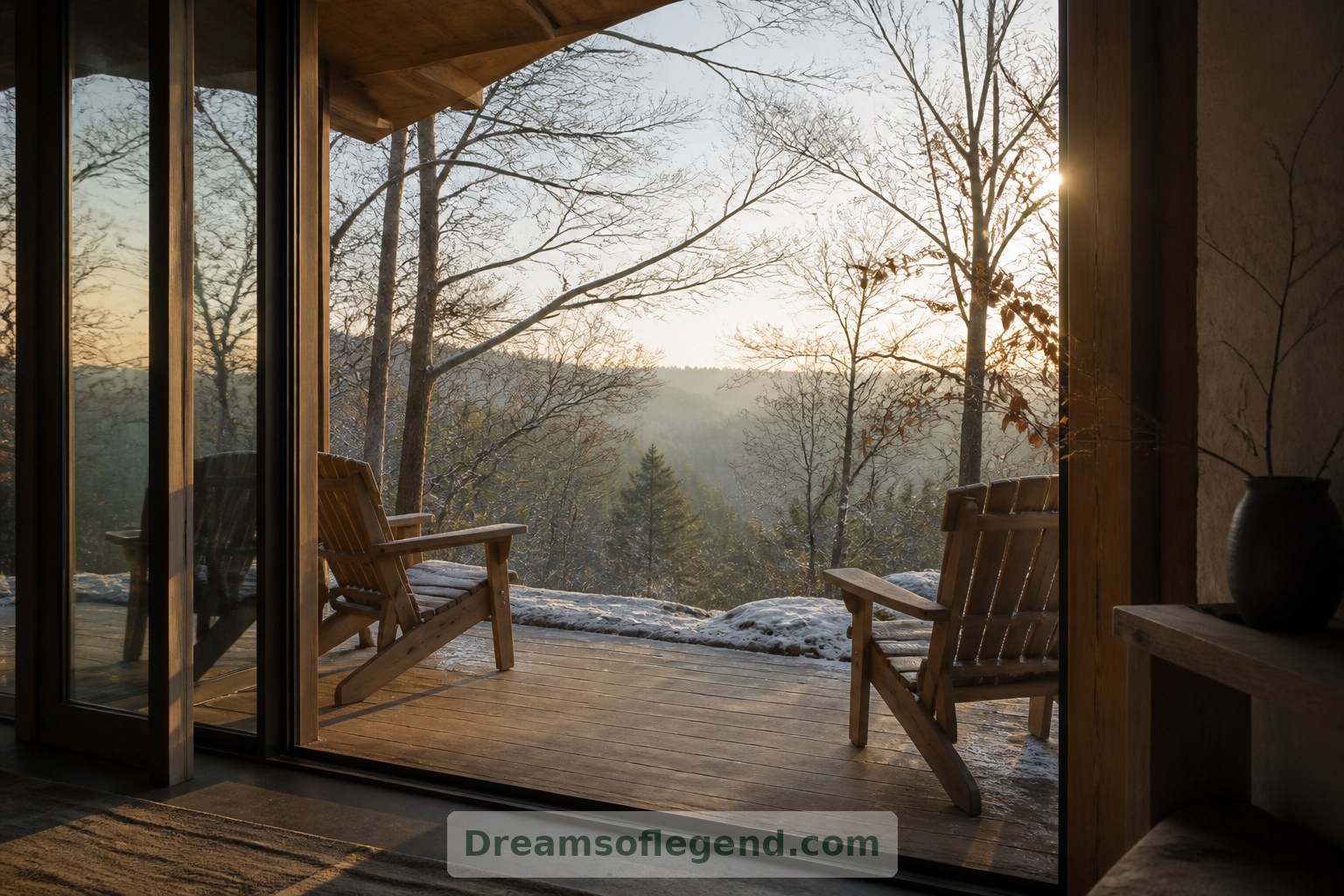
Summer might bring dappled shade; winter could reveal longer views through bare branches. External shading, suitable glazing and a considered ventilation strategy would need to respond to the actual climate, not simply the beauty of the rendering.
6. Transparency with Responsibility
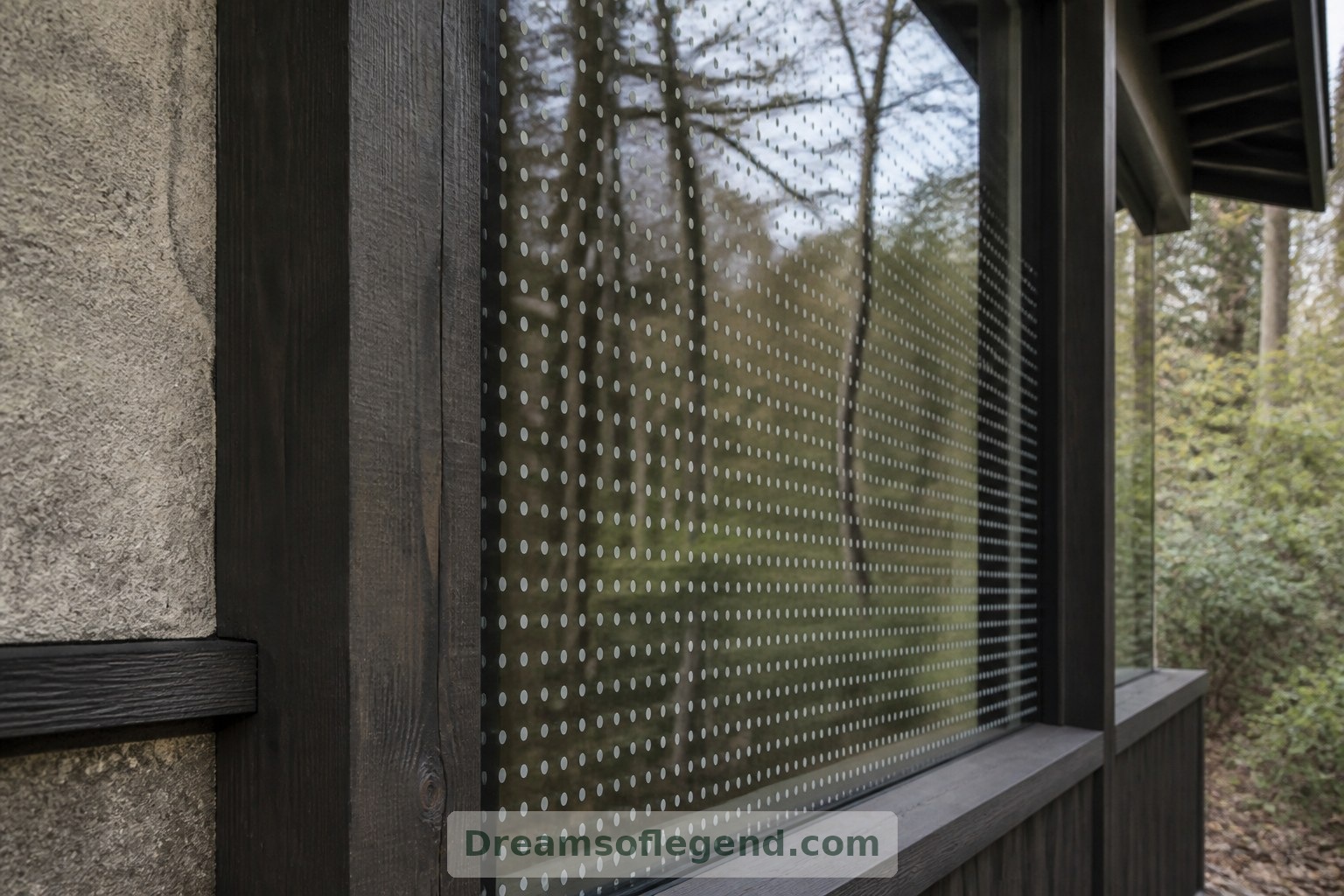
Large windows deserve careful detailing. Bird-visible glazing treatments, restrained exterior lighting and insulated opaque walls belong in the concept from the beginning. Their specification would require local expertise. The dream becomes more convincing when beauty includes the woodland’s needs.
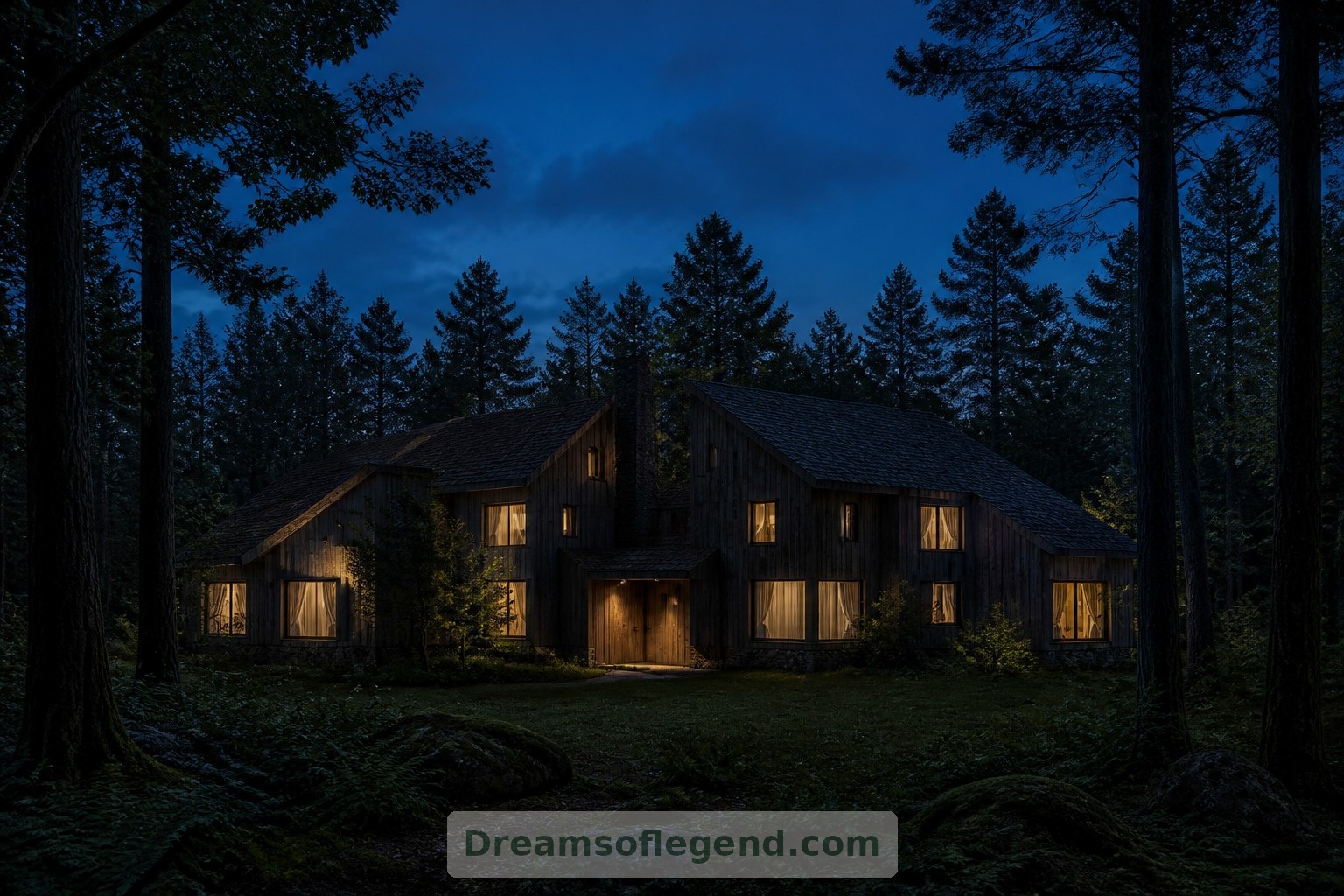
The loveliest woodland glass house is not entirely transparent. It alternates openness with refuge, giving changing seasons a place in daily life while keeping warmth, privacy and the forest itself in view.
How does this inspire you?
Choose one reaction. Click it again to remove it. Your choice is saved with a browser cookie.
Loading reactions…